
Corporate Team Building Solutions Singapore
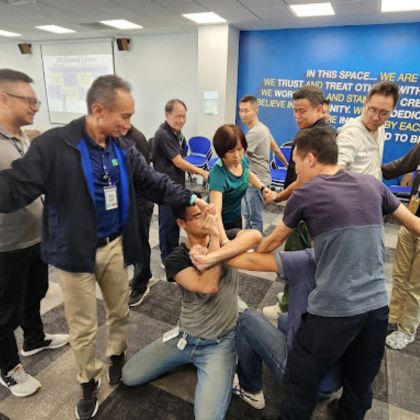
Transform your team with innovative team building activities. Adventour Singapore delivers measurable engagement results…
Read More
Transform your team with innovative team building activities. Adventour Singapore delivers measurable engagement results…
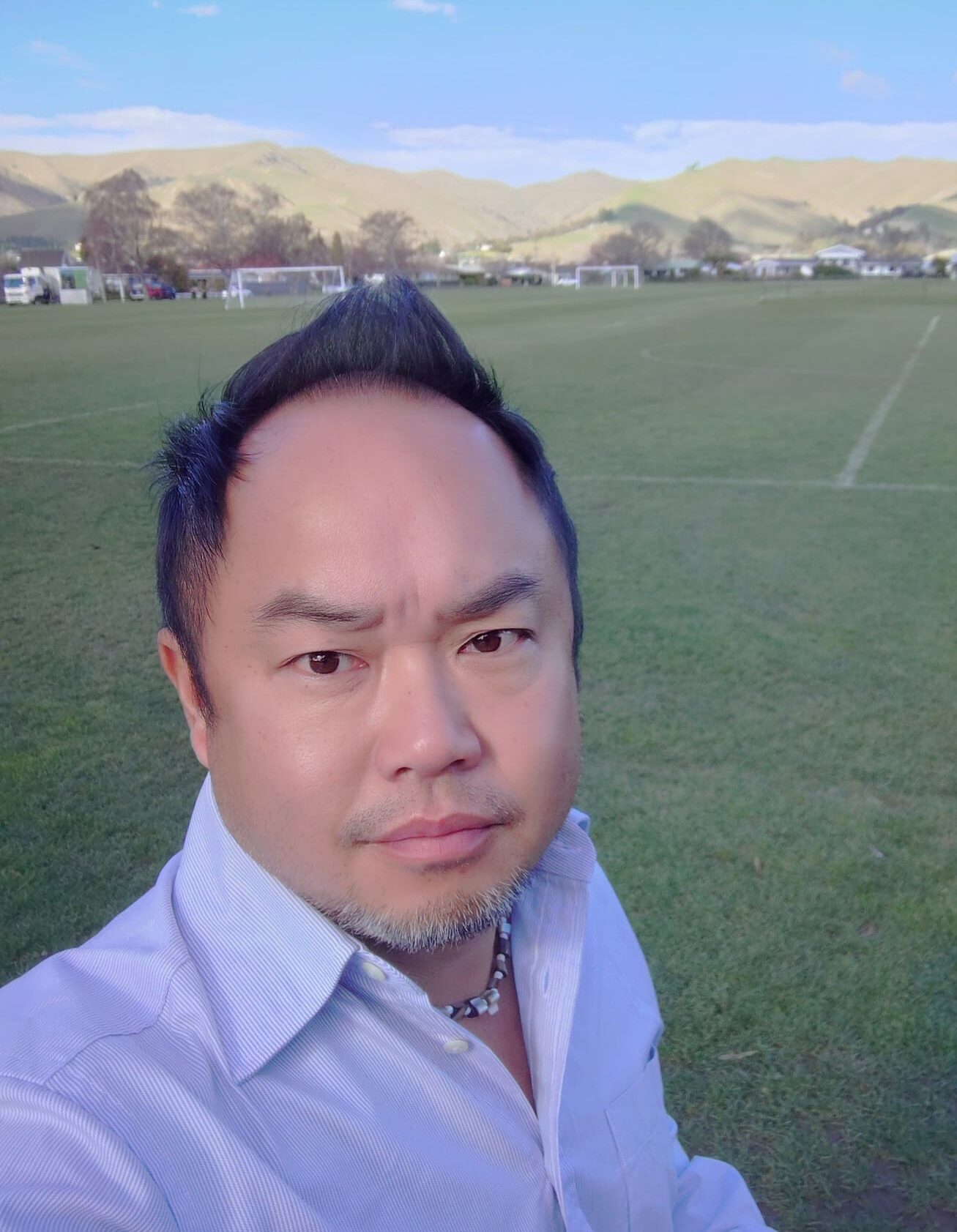
Joshua Tay is the Director of AdvenTOUR Singapore, a corporate team-building company he has successfully led since 2007. With a career spanning back to 1996, Joshua brings three decades of hands-on experience designing and facilitating high-impact team-building programs, Corporate Social Responsibility (CSR) initiatives, and overseas corporate retreats for youth and corporate groups alike.
A former Singapore Armed Forces (SAF) officer, Joshua combines strategic leadership with rigorous safety standards. He is also a certified Instructor Trainer in scuba diving, first aid, and AED. Drawing from this wealth of operational and experiential expertise, Joshua personally writes and reviews all the team-building guides and resources published on this website to ensure they are practical, safe, and effective.
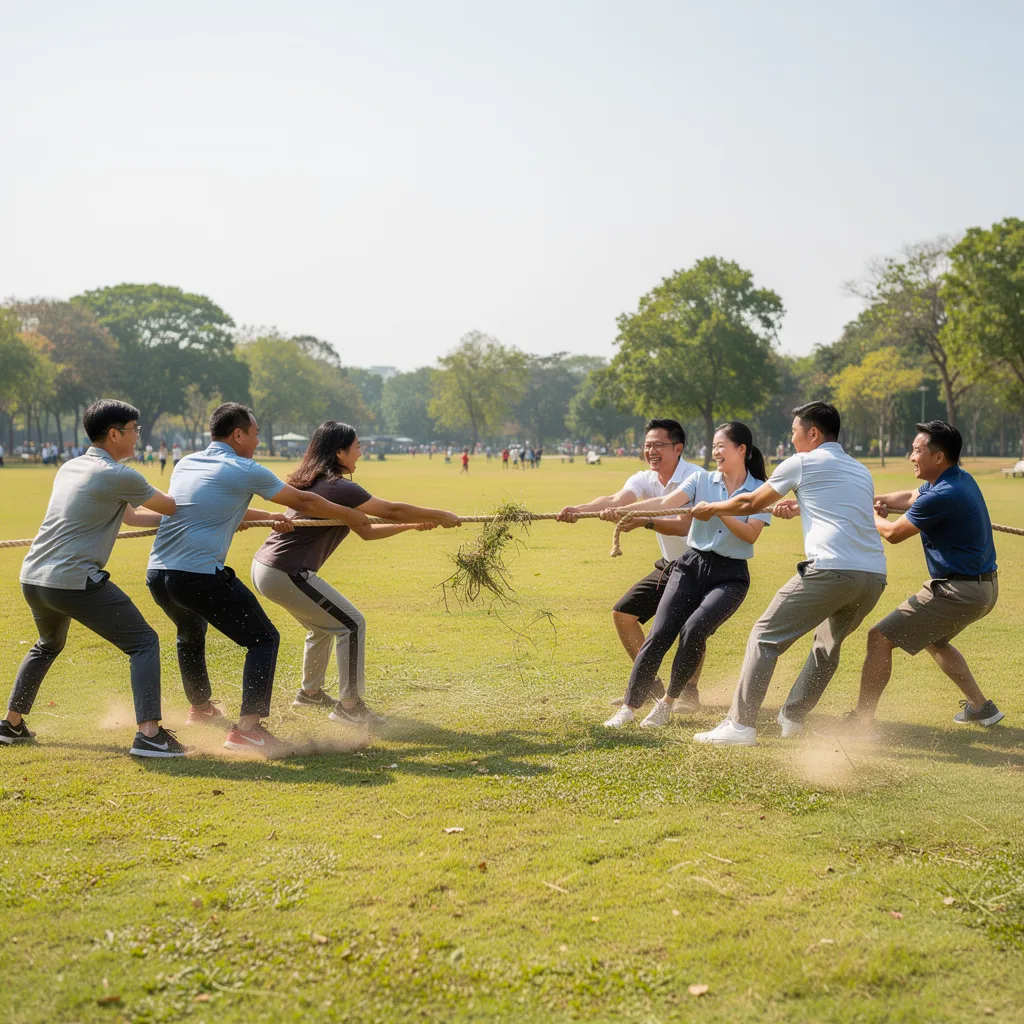
Strengthen workplace relationships through structured competition. Discover how corporate sports days build trust, morale,…
Joshua Tay is the Director of AdvenTOUR Singapore, a corporate team-building company he has successfully led since 2007. With a career spanning back to 1996, Joshua brings three decades of hands-on experience designing and facilitating high-impact team-building programs, Corporate Social Responsibility (CSR) initiatives, and overseas corporate retreats for youth and corporate groups alike.
A former Singapore Armed Forces (SAF) officer, Joshua combines strategic leadership with rigorous safety standards. He is also a certified Instructor Trainer in scuba diving, first aid, and AED. Drawing from this wealth of operational and experiential expertise, Joshua personally writes and reviews all the team-building guides and resources published on this website to ensure they are practical, safe, and effective.
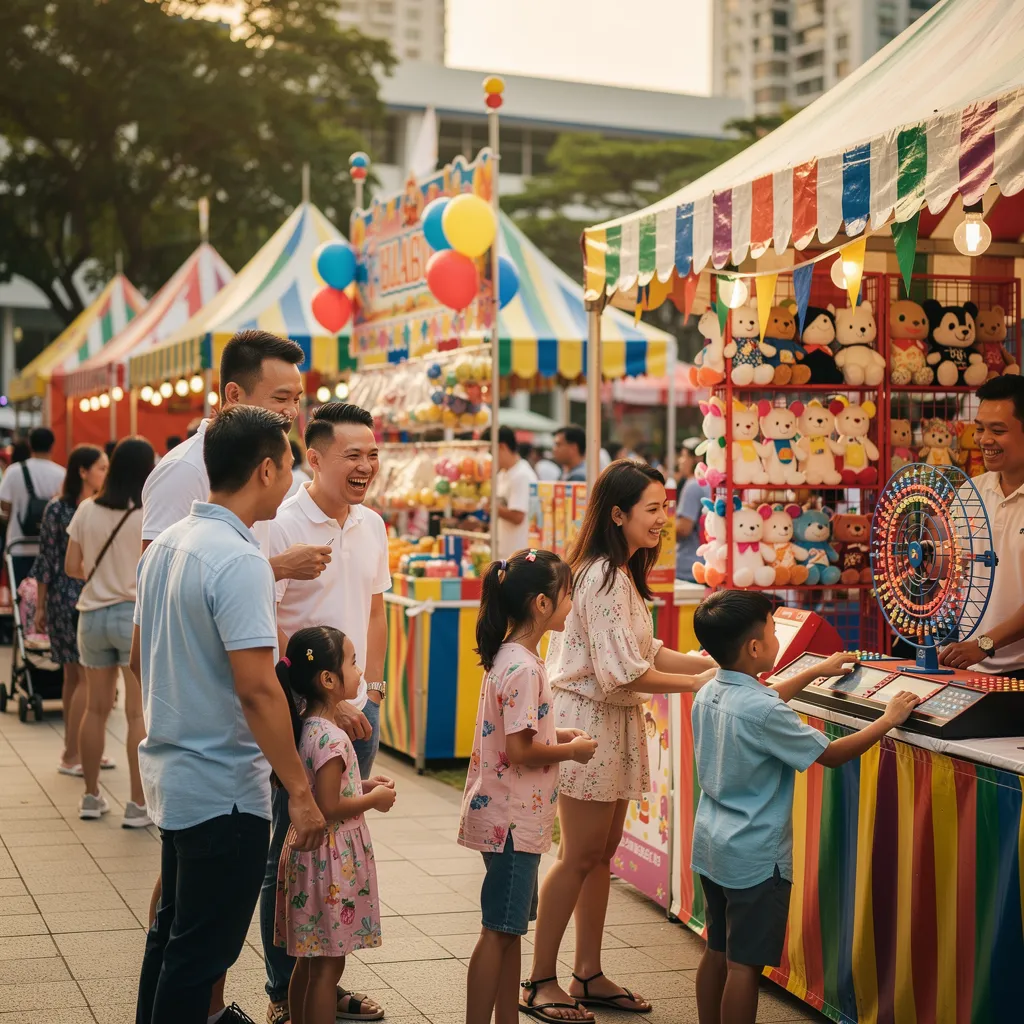
Discover how professional event planning in Singapore reduces risk, controls costs, and boosts employee…
Joshua Tay is the Director of AdvenTOUR Singapore, a corporate team-building company he has successfully led since 2007. With a career spanning back to 1996, Joshua brings three decades of hands-on experience designing and facilitating high-impact team-building programs, Corporate Social Responsibility (CSR) initiatives, and overseas corporate retreats for youth and corporate groups alike.
A former Singapore Armed Forces (SAF) officer, Joshua combines strategic leadership with rigorous safety standards. He is also a certified Instructor Trainer in scuba diving, first aid, and AED. Drawing from this wealth of operational and experiential expertise, Joshua personally writes and reviews all the team-building guides and resources published on this website to ensure they are practical, safe, and effective.
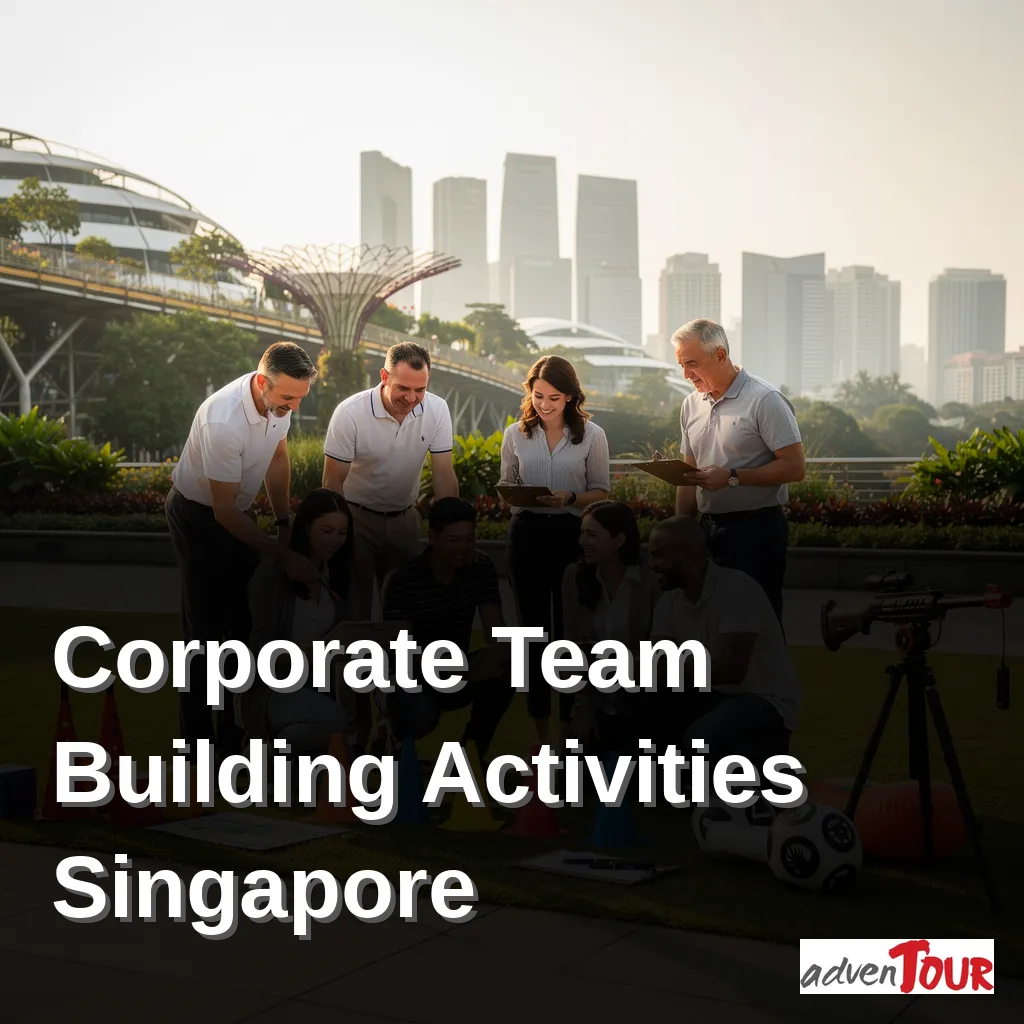
Discover what makes team building events successful in Singapore. Structured challenges, professional facilitation, and…
Joshua Tay is the Director of AdvenTOUR Singapore, a corporate team-building company he has successfully led since 2007. With a career spanning back to 1996, Joshua brings three decades of hands-on experience designing and facilitating high-impact team-building programs, Corporate Social Responsibility (CSR) initiatives, and overseas corporate retreats for youth and corporate groups alike.
A former Singapore Armed Forces (SAF) officer, Joshua combines strategic leadership with rigorous safety standards. He is also a certified Instructor Trainer in scuba diving, first aid, and AED. Drawing from this wealth of operational and experiential expertise, Joshua personally writes and reviews all the team-building guides and resources published on this website to ensure they are practical, safe, and effective.
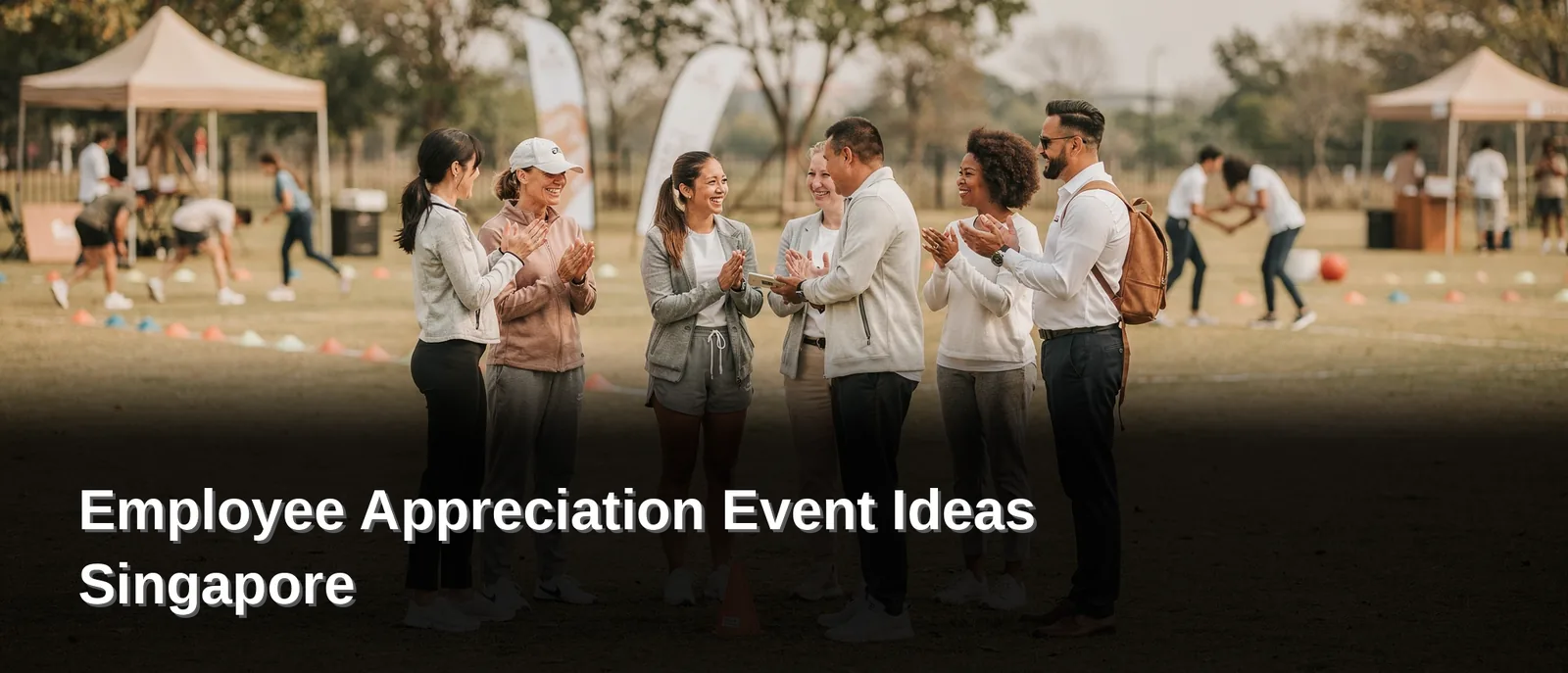
Discover proven employee appreciation event ideas for Singapore teams. AdvenTOUR designs engaging activities that…
Joshua Tay is the Director of AdvenTOUR Singapore, a corporate team-building company he has successfully led since 2007. With a career spanning back to 1996, Joshua brings three decades of hands-on experience designing and facilitating high-impact team-building programs, Corporate Social Responsibility (CSR) initiatives, and overseas corporate retreats for youth and corporate groups alike.
A former Singapore Armed Forces (SAF) officer, Joshua combines strategic leadership with rigorous safety standards. He is also a certified Instructor Trainer in scuba diving, first aid, and AED. Drawing from this wealth of operational and experiential expertise, Joshua personally writes and reviews all the team-building guides and resources published on this website to ensure they are practical, safe, and effective.
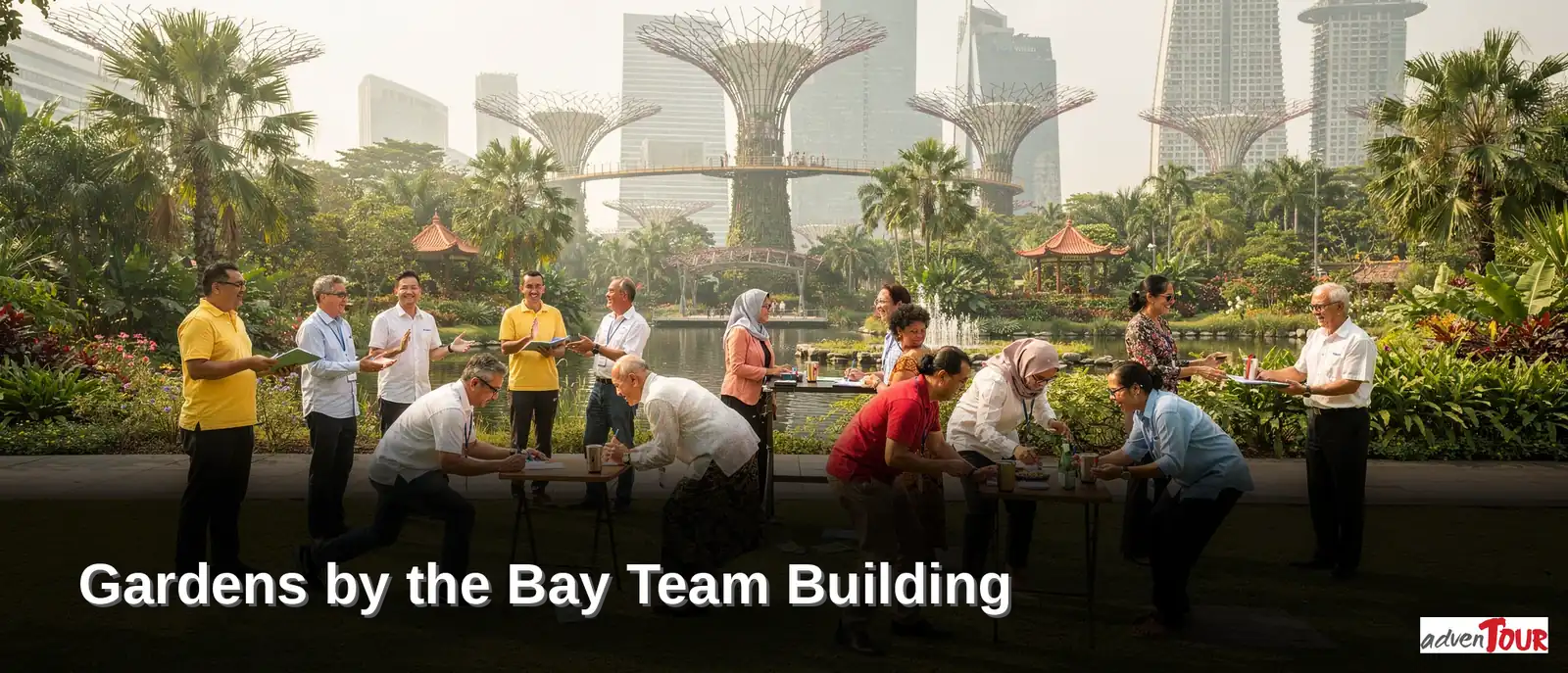
Garden Odyssey at Gardens by the Bay Singapore builds team communication and collaboration through…
Joshua Tay is the Director of AdvenTOUR Singapore, a corporate team-building company he has successfully led since 2007. With a career spanning back to 1996, Joshua brings three decades of hands-on experience designing and facilitating high-impact team-building programs, Corporate Social Responsibility (CSR) initiatives, and overseas corporate retreats for youth and corporate groups alike.
A former Singapore Armed Forces (SAF) officer, Joshua combines strategic leadership with rigorous safety standards. He is also a certified Instructor Trainer in scuba diving, first aid, and AED. Drawing from this wealth of operational and experiential expertise, Joshua personally writes and reviews all the team-building guides and resources published on this website to ensure they are practical, safe, and effective.
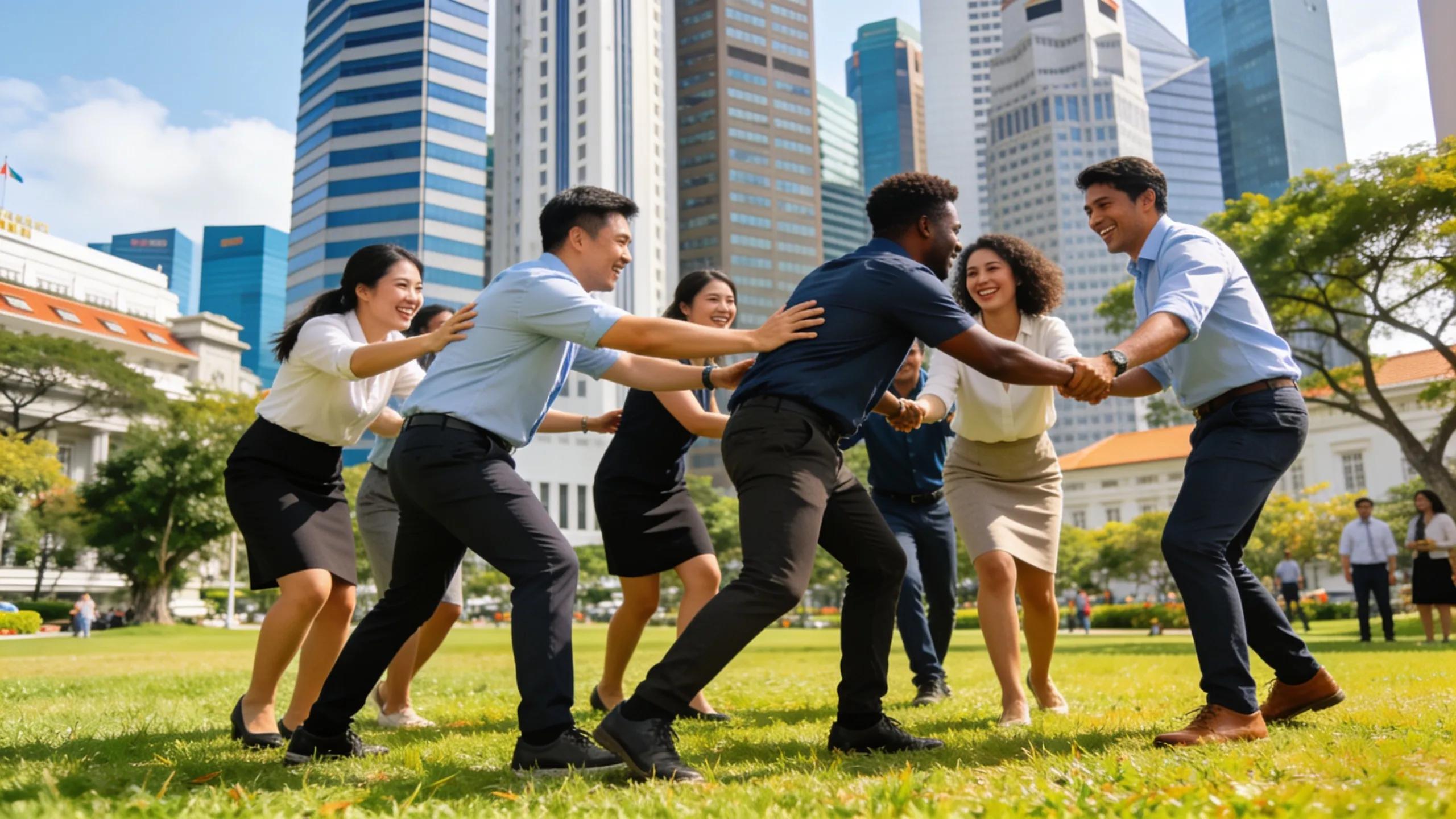
Enhance corporate team spirit with effective team building activities in Singapore. Foster collaboration, boost…
Joshua Tay is the Director of AdvenTOUR Singapore, a corporate team-building company he has successfully led since 2007. With a career spanning back to 1996, Joshua brings three decades of hands-on experience designing and facilitating high-impact team-building programs, Corporate Social Responsibility (CSR) initiatives, and overseas corporate retreats for youth and corporate groups alike.
A former Singapore Armed Forces (SAF) officer, Joshua combines strategic leadership with rigorous safety standards. He is also a certified Instructor Trainer in scuba diving, first aid, and AED. Drawing from this wealth of operational and experiential expertise, Joshua personally writes and reviews all the team-building guides and resources published on this website to ensure they are practical, safe, and effective.
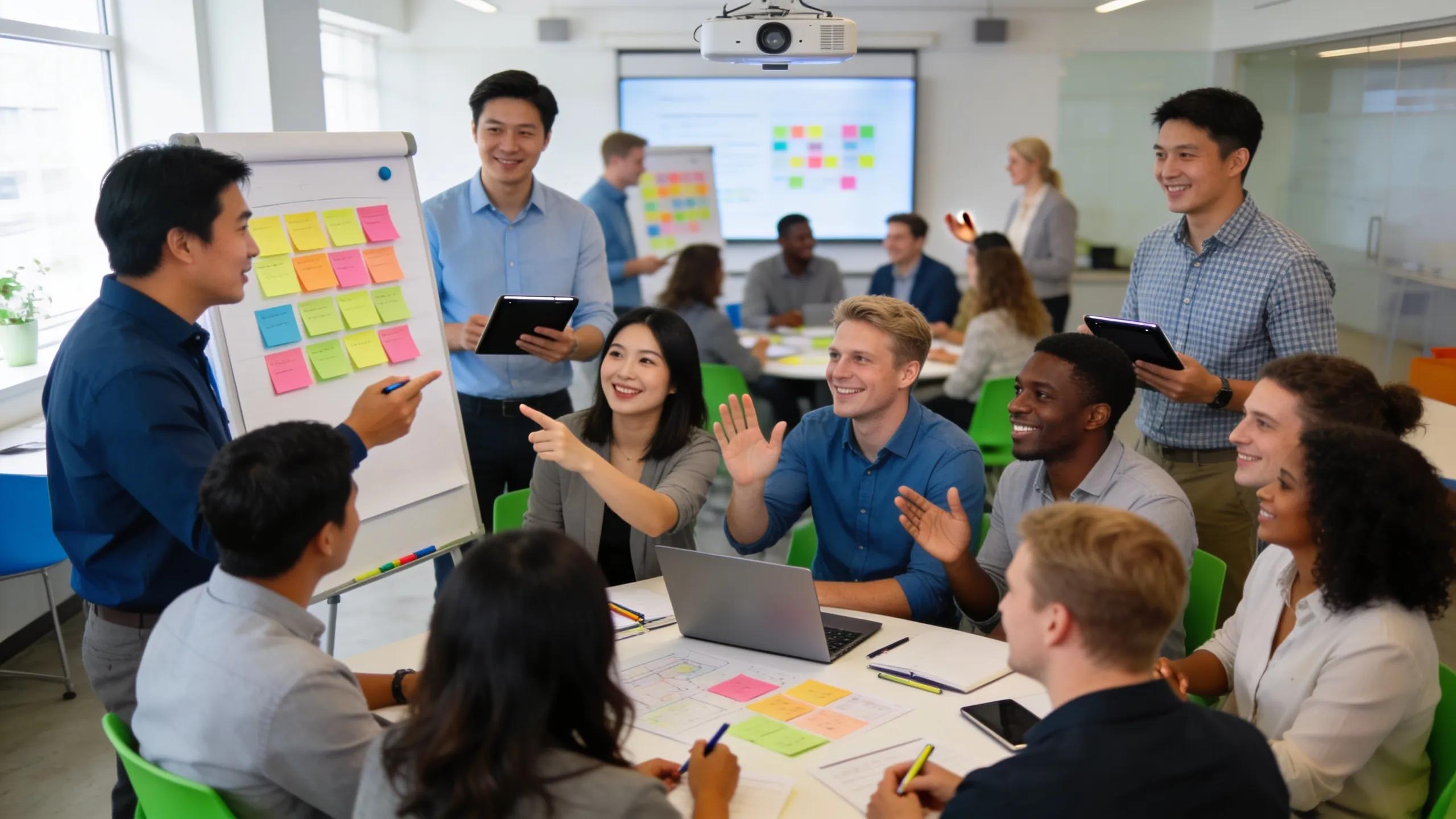
Elevate team performance with indoor corporate training workshops in Singapore. These sessions foster growth,…
Joshua Tay is the Director of AdvenTOUR Singapore, a corporate team-building company he has successfully led since 2007. With a career spanning back to 1996, Joshua brings three decades of hands-on experience designing and facilitating high-impact team-building programs, Corporate Social Responsibility (CSR) initiatives, and overseas corporate retreats for youth and corporate groups alike.
A former Singapore Armed Forces (SAF) officer, Joshua combines strategic leadership with rigorous safety standards. He is also a certified Instructor Trainer in scuba diving, first aid, and AED. Drawing from this wealth of operational and experiential expertise, Joshua personally writes and reviews all the team-building guides and resources published on this website to ensure they are practical, safe, and effective.
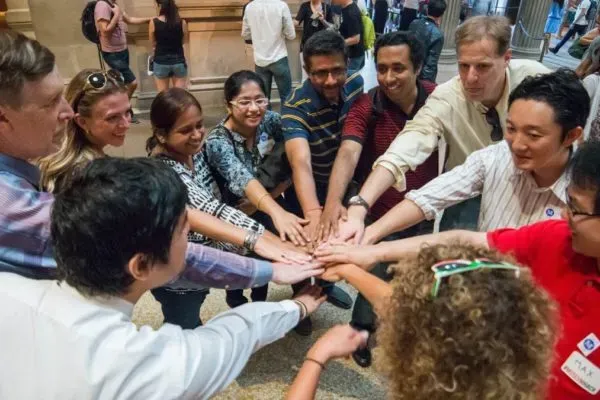
With over 16 years of experience planning corporate events in Singapore, Adventour Singapore stands as a trusted expert in delivering impactful team building programs. Recognized as one of the Top 10 Corporate Team Building Companies in Asia 2023, Adventour brings unparalleled expertise and market insight to every event. The pricing data and cost breakdowns in this guide are based on real market experience and the diverse packages Adventour has successfully delivered to hundreds of corporate clients across Singapore.
Understanding the costs associated with corporate team building in Singapore is essential for organizations looking to enhance employee engagement and foster team cohesion. This comprehensive guide will explore the various pricing structures, factors influencing costs, and the types of activities available for team building. Many companies struggle with budgeting for these activities, often unsure of what to expect in terms of pricing and value. By providing a clear overview of typical costs and the benefits of investing in team building, this article aims to equip businesses with the knowledge needed to make informed decisions. We will cover typical budget ranges, factors influencing pricing, and the types of activities available, ensuring a well-rounded understanding of team building costs in Singapore.
Indeed, the essence of corporate team building lies in its methodology to align diverse group strengths with company objectives through engaging activities.
Corporate Team Building Activities for Engagement
Methodology that seeks to align the competencies, abilities, and diversity of the group to the company’s goals in a synergistic way, through sports activities, games, games and group dynamics, in an informal environment.
Social Team Building as a Practice of Corporate Values to Achieve Engagement, 2018
To help you better understand the pricing landscape, here is a detailed breakdown of team building costs in Singapore categorized into three tiers based on budget and offerings:
| Tier | Price Range (SGD per pax) | Typical Activities & Features |
|---|---|---|
| Budget Tier | SGD 25–50 | Basic outdoor games, water telematch, bubble soccer, simple facilitation, no frills.Explore Budget-Friendly Activities |
| Mid-Range Tier | SGD 50–120 | Amazing Race, Dragon Boat, Laser Tag, Squid Game Challenge, themed team challenges, full facilitation, basic equipment.View Team Building Programs |
| Premium Tier | SGD 120–300+ | Drone Building, Wine and Cheese Pairing, DISC Profiling, overseas retreats (Bintan/Batam), full event production, AV, logistics, customised branding.Discover Premium ProgrammesOverseas Retreats |
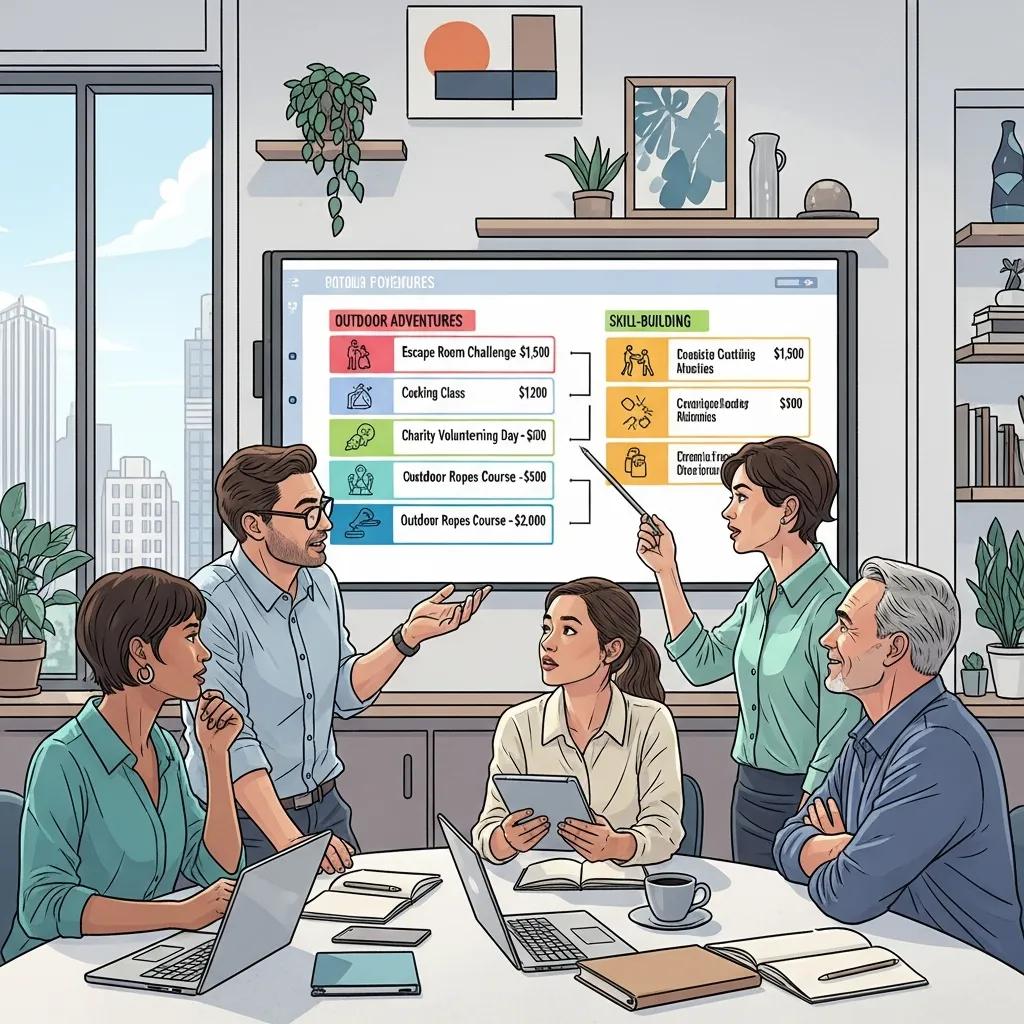
When planning corporate team building activities, understanding the typical budget ranges is crucial. The costs can vary significantly based on the type of activity, duration, and the number of participants involved. Here’s a breakdown of the expected price ranges for various team building activities in Singapore:
| Activity Type | Price Range | Duration |
|---|---|---|
| 2-3 Hour Engagement Session | $30–$60 per person | 2-3 hours |
| Half-Day Corporate Team Building Activities | $60–$120 per person | 4 hours |
| Full-Day Programs | $100–$180 per person | 8 hours |
| Corporate Team Building Retreats | Custom pricing | Varies |
These ranges provide a general idea of what organizations can expect to spend on team building activities. For instance, a 2-3 hour engagement session typically costs between $30 and $60 per person, making it a budget-friendly option for companies looking to introduce team building without a significant financial commitment.
Several key factors influence the overall cost of team building activities in Singapore. Understanding these can help organizations plan their team building budget Singapore effectively and choose the best value options.
When you book with Adventour Singapore, you receive a comprehensive, hassle-free experience designed to maximize your team bonding cost Singapore investment:
While planning your team building package price Singapore, be aware of potential hidden costs that can surprise corporate buyers:
Choosing the right format for your team building can impact your team building cost per head Singapore. Here’s a comparison of typical price ranges:
Corporate team building activities come in various formats, each designed to foster collaboration and enhance team dynamics. Here are some popular types of activities available in Singapore:
Reiterating the pricing structure for team building activities is essential for clarity. Here’s a summary of the typical costs associated with various activities:
This overview helps organizations gauge their potential expenses and plan accordingly.
Standard corporate event packages can significantly influence pricing structures. These packages typically include a range of services designed to streamline the planning process and enhance the overall experience. Common features of standard packages may include:
By opting for standard packages, organizations can often benefit from bundled pricing, which may lead to cost savings compared to booking each service individually.
The cost of team building activities can be affected by various factors, including:
Understanding these factors allows organizations to make informed decisions about their team building investments.
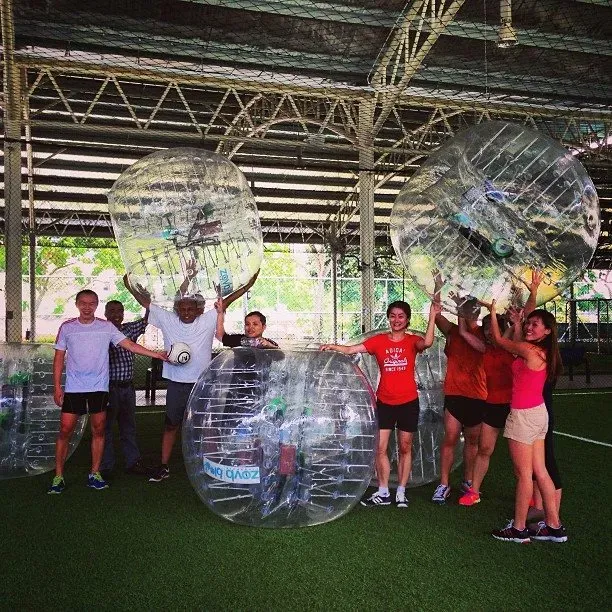
Customizable team building packages offer flexibility in terms of pricing and activities. Organizations can tailor their experiences to fit their specific needs and budget constraints. Here are some considerations regarding customizable packages:
Customizable packages provide an opportunity for organizations to create meaningful experiences without overspending.
Tailored corporate team building options are designed to align with an organization’s specific culture, challenges, and goals. Here are some key aspects of tailored programs:
Tailored options ensure that team building activities are relevant and impactful, enhancing the overall experience for participants.
Customization plays a significant role in determining the overall pricing of corporate team building packages in Singapore. Here are some key points to consider:
Understanding how customization impacts pricing allows organizations to make informed decisions about their team building investments.
Further emphasizing this point, research consistently highlights the importance of understanding how team building tasks contribute to desired performance outcomes and overall return on investment.
Team Building ROI: Maximizing Performance Outcomes
In order to find out which aspects are most likely to create a team building task that ensures the pre-desired positive effect on the objective performance outcome, a literature study has been conducted.
The relationship between teambuilding and ‘Return on Investment’
Investing in team building activities can yield measurable benefits for organizations. Here are some key advantages:
These benefits highlight the importance of investing in team building as a strategic initiative for organizations.
Ultimately, demonstrating the financial value of these initiatives is crucial, as robust analysis can effectively measure the return on investment for leadership and team development training.
Measuring ROI for Team Building Training Investments
Return on investment (ROI) analysis is perhaps the best way to demonstrate the value of leadership and team development training expenditures as an investment and evaluate the financial returns on that investment.
Evaluating outdoor experiential training for leadership and team building, SD Williams, 2003
Team building plays a crucial role in enhancing corporate productivity and cohesion. Here’s how:
By improving these aspects, team building contributes to a more cohesive and productive workplace.
Recent trends indicate a growing recognition of the value of team building, leading to increased budgets for these activities. Key trends include:
These trends reflect a shift in how organizations view team building as a critical component of their overall strategy.
Booking quality team building programs with AdvenTOUR Singapore is a straightforward process. Here’s how it works:
This streamlined process ensures that organizations can easily access high-quality team building solutions tailored to their specific needs.
The inquiry and booking process for corporate clients is designed to be efficient and user-friendly. Here are the key steps involved:
This process ensures that corporate clients receive personalized attention and solutions that meet their unique requirements.
AdvenTOUR is committed to providing customized solutions and measurable outcomes for its clients. Here’s how they achieve this:
This commitment to customization and measurable results sets AdvenTOUR apart as a leader in the team building industry.
Contact Adventour Singapore today for a free, no-obligation quote tailored to your group size, budget, and team building goals. Benefit from expert planning, professional facilitation, and proven programs that deliver real team building ROI Singapore.
Joshua Tay is the Director of AdvenTOUR Singapore, a corporate team-building company he has successfully led since 2007. With a career spanning back to 1996, Joshua brings three decades of hands-on experience designing and facilitating high-impact team-building programs, Corporate Social Responsibility (CSR) initiatives, and overseas corporate retreats for youth and corporate groups alike.
A former Singapore Armed Forces (SAF) officer, Joshua combines strategic leadership with rigorous safety standards. He is also a certified Instructor Trainer in scuba diving, first aid, and AED. Drawing from this wealth of operational and experiential expertise, Joshua personally writes and reviews all the team-building guides and resources published on this website to ensure they are practical, safe, and effective.
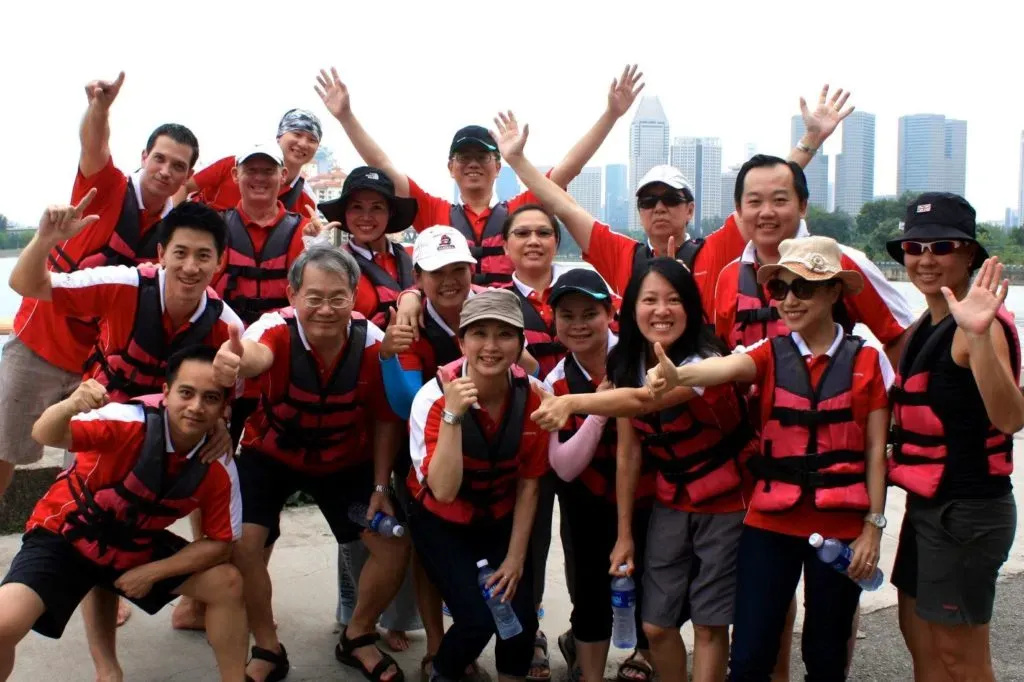
Adventour Singapore, with over 16 years of corporate event experience and recognised as one of the Top 10 Corporate Team Building Companies in Asia in 2023, has proudly served hundreds of companies across Singapore. Our expertise in designing and facilitating impactful corporate team bonding Singapore experiences ensures that your team building activities are engaging, effective, and tailored to your organisation’s unique needs. In the fast-paced corporate environment of Singapore, effective team building activities are essential for fostering collaboration and enhancing employee engagement. This comprehensive guide explores various team building activities available in Singapore for 2026, highlighting their benefits and providing practical planning tips. As organisations strive to improve communication and morale among employees, understanding the types of activities that can facilitate these goals is crucial. This article will delve into the different types of team building activities, their benefits, planning tips, and recommended venues, ensuring that corporate clients can make informed decisions for their teams.
Indeed, research consistently highlights the critical role of team building in fostering a positive work environment and boosting employee satisfaction.
Team Building: Boosting Employee Engagement & Collaboration
Team building activities contribute to employee engagement and retention by promoting collaboration, trust, and a positive work environment. This study examines the challenge of team-building activities for employee engagement and satisfaction.
Effect of Team Building Activities–An Employee Engagement and Satisfaction Survey, FG Vigonte, 2023
Team building activities play a vital role in enhancing corporate engagement by promoting teamwork, communication, and problem-solving skills among employees. In 2026, the focus on innovative and engaging activities is more pronounced, with companies seeking unique experiences that resonate with their teams. This guide provides an overview of the various activities available, their relevance in the current corporate landscape, and how they can be tailored to meet specific organisational needs. Whether you are looking for outdoor team activities Singapore, indoor team workshops Singapore, virtual team engagement Singapore, or CSR team building Singapore options, this guide covers it all.
There are several types of team building activities available in Singapore, each designed to cater to different team dynamics and objectives. These activities can be broadly categorised into adventure-based challenges, values-driven programs, virtual solutions, and corporate social responsibility (CSR) initiatives.
This approach is further supported by research emphasizing the foundational role of values-driven programs in organisational development.
Team Building: Essential for Effective Organizational Development
Team building, training programs on values and culture, and largescale organisation development are absolutely essential to the development of an effective team or organisation.
Values-driven change: Strategies and tools for long-term success, 2006
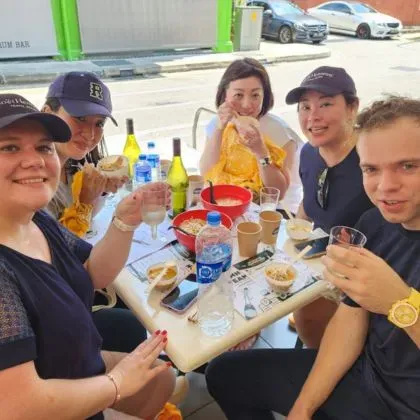
Engaging in team building activities offers numerous benefits for corporate clients, including improved communication, increased morale, and enhanced collaboration. These benefits contribute directly to stronger team cohesion Singapore-wide and improved overall employee engagement activities Singapore companies seek.
| Benefit | Description | Impact Level |
|---|---|---|
| Improved Communication | Team building activities foster open dialogue among team members, breaking down barriers and encouraging collaboration across diverse teams. | High |
| Increased Morale | Participating in fun and engaging activities boosts employee morale, leading to a more positive and productive work environment. | High |
| Enhanced Collaboration | These activities promote teamwork and trust, essential for effective collaboration in the workplace and long-term success. | High |
AdvenTOUR Singapore specialises in corporate team building and event planning solutions tailored for the Singapore market. Their primary service is the design and facilitation of customised team building programs that foster collaboration, communication, and employee engagement among corporate clients. Their team building facilitators Singapore are experienced professionals who ensure every event is impactful and memorable.
When planning team building activities, it is essential to consider several factors to ensure the success of the event. Here are some tips to guide the planning process:
Selecting the right venue is crucial for the success of team building activities. Here are some recommended venues in Singapore that cater to various activity types and group sizes:
These venues support Singapore’s multicultural, multilingual workforce by offering flexible spaces and facilities that accommodate diverse team building ideas Singapore 2026.
Effective corporate team building activities in Singapore include a mix of physical challenges and collaborative tasks that promote teamwork and communication. Some of the most popular activities are:
Outdoor team building activities are particularly effective in boosting collaboration among team members. Activities such as dragon boat racing and obstacle courses require participants to communicate effectively and work together to achieve common goals. Other popular outdoor activities include Combat Skirmish/Laser Tag, which encourages strategic teamwork, and Bubble Soccer/Zorbing, which adds a fun, lighthearted element to team bonding. These experiences not only enhance teamwork but also create lasting memories that strengthen team bonds.
In today’s digital age, virtual team building solutions have become essential for remote teams. Activities such as virtual Amazing Race events, virtual quizzes, and online collaborative workshops provide engaging platforms for team members to connect and collaborate, regardless of their physical location. These solutions help maintain team cohesion Singapore-wide and morale, even in a remote work environment, making them a vital part of any comprehensive team building strategy.
Team bonding activities significantly improve employee engagement by fostering a sense of belonging and camaraderie among team members. When employees feel connected to their colleagues, they are more likely to be motivated and productive. Engaging in these activities also allows employees to develop essential skills such as communication, problem-solving, and leadership, which can enhance overall performance. Corporate team bonding Singapore initiatives are designed to create these positive outcomes, contributing to a thriving workplace culture.
The measurable benefits of team building programs include increased productivity, reduced employee turnover, and improved job satisfaction. Organisations that invest in team building activities often see a positive return on investment, as engaged employees are more likely to contribute to the company’s success. These benefits are supported by data from numerous studies and client feedback, reinforcing the value of professional team building facilitators Singapore-wide.
Indoor workshops and games provide structured environments for team members to collaborate and learn together. These activities encourage open communication and help build trust among team members, which is essential for fostering a cohesive work environment. By participating in these workshops, employees can develop new skills while strengthening their relationships with colleagues. Popular indoor team workshops Singapore include DISC Profiling sessions, Escape Room challenges, and innovative games like the Squid Game Challenge and Kin Ball.
AdvenTOUR Singapore customises team building programs by assessing the specific needs and objectives of each corporate client. This tailored approach ensures that the activities align with the company’s goals and culture, maximising the impact of the team building experience. By working closely with clients, AdvenTOUR Singapore can design programs that effectively address the unique challenges faced by each organisation. Their expertise as a leading team building event planner Singapore guarantees a seamless and impactful experience.
The expertise of AdvenTOUR Singapore in corporate team building and event planning allows them to create engaging and effective programs. Their team of professionals understands the dynamics of team interactions and can design activities that promote collaboration and communication. This expertise ensures that clients receive high-quality experiences that meet their specific needs, whether for outdoor team activities Singapore, indoor workshops, virtual engagement, or CSR initiatives.
Hybrid and flexible formats are increasingly important in team building programs, especially as organisations adapt to changing work environments. AdvenTOUR Singapore incorporates both in-person and virtual elements into their activities, allowing teams to participate regardless of their location. This flexibility ensures that all team members can engage in the experience, fostering inclusivity and collaboration across Singapore’s diverse workforce.
Pricing for team building activities in Singapore varies based on the type of activities, group size, and duration. AdvenTOUR Singapore offers competitive pricing for their customised programs, ensuring that clients receive value for their investment. The booking process is straightforward, allowing clients to easily secure their desired activities and venues. For enquiries, visit our contact page to get started.
When selecting a team building provider, consider factors such as experience, customisation options, and client testimonials. A reputable provider, like AdvenTOUR Singapore, will have a proven track record of delivering successful team building programs tailored to meet the specific needs of corporate clients. Engaging with a professional provider ensures that your team building experience is both enjoyable and impactful.
Popular team building activities in Singapore for 2026 include outdoor challenges like the Amazing Race Singapore, Dragon Boat Racing, and Combat Skirmish/Laser Tag; indoor workshops such as Escape Room challenges, DISC Profiling sessions, and the Squid Game Challenge; virtual engagement options like virtual Amazing Race and online quizzes; and CSR initiatives including Bag of Love distribution and Senior Buddy programmes. These activities cater to diverse team sizes and objectives, ensuring effective corporate team bonding Singapore-wide.
Team building activities in Singapore can accommodate a wide range of group sizes, from small teams of 5-10 participants to large corporate groups exceeding 200 people. Venues like Suntec Convention Centre and outdoor parks such as East Coast Park offer flexible spaces to host various group sizes. AdvenTOUR Singapore can customise programs to suit your team size and ensure meaningful engagement for all participants.
Typical team building sessions in Singapore last between 2 to 6 hours, depending on the type and complexity of activities. Half-day sessions are common for focused workshops or single activities, while full-day programs may combine multiple activities, including breaks and meals. Customised durations are available to fit your company’s schedule and objectives.
Yes, professional team building companies in Singapore, including AdvenTOUR Singapore, provide experienced facilitators who guide participants through activities, ensure safety, and maximise engagement. These team building facilitators Singapore are trained to adapt to group dynamics and deliver impactful experiences that meet your company’s goals.
Singapore’s tropical climate allows for year-round team building activities. However, it is advisable to plan outdoor events during the drier months from February to April and July to September to avoid heavy rainfall. Indoor and virtual activities provide flexible alternatives regardless of weather conditions, ensuring continuous employee engagement activities Singapore-wide.
Absolutely. Customisation is a key strength of professional providers like AdvenTOUR Singapore. Activities can be tailored to align with your company’s culture, objectives, and team dynamics, whether focusing on communication, leadership, problem-solving, or CSR. This ensures that your investment in team building delivers measurable results and enhances team cohesion Singapore.
Team building typically refers to structured activities designed to improve specific skills such as communication, collaboration, and problem-solving within a team. Team bonding, on the other hand, focuses more on informal social interactions that strengthen personal relationships and trust among team members. Both are important for a healthy workplace culture, and many programs in Singapore integrate elements of both to maximise employee engagement and performance.
Contact Adventour Singapore today for a free consultation and customised team building proposal tailored to your company’s unique needs. With our extensive experience and comprehensive range of activities, we ensure your team building event is both enjoyable and impactful. Let us help you create lasting team cohesion and boost employee engagement activities Singapore-wide.
Joshua Tay is the Director of AdvenTOUR Singapore, a corporate team-building company he has successfully led since 2007. With a career spanning back to 1996, Joshua brings three decades of hands-on experience designing and facilitating high-impact team-building programs, Corporate Social Responsibility (CSR) initiatives, and overseas corporate retreats for youth and corporate groups alike.
A former Singapore Armed Forces (SAF) officer, Joshua combines strategic leadership with rigorous safety standards. He is also a certified Instructor Trainer in scuba diving, first aid, and AED. Drawing from this wealth of operational and experiential expertise, Joshua personally writes and reviews all the team-building guides and resources published on this website to ensure they are practical, safe, and effective.
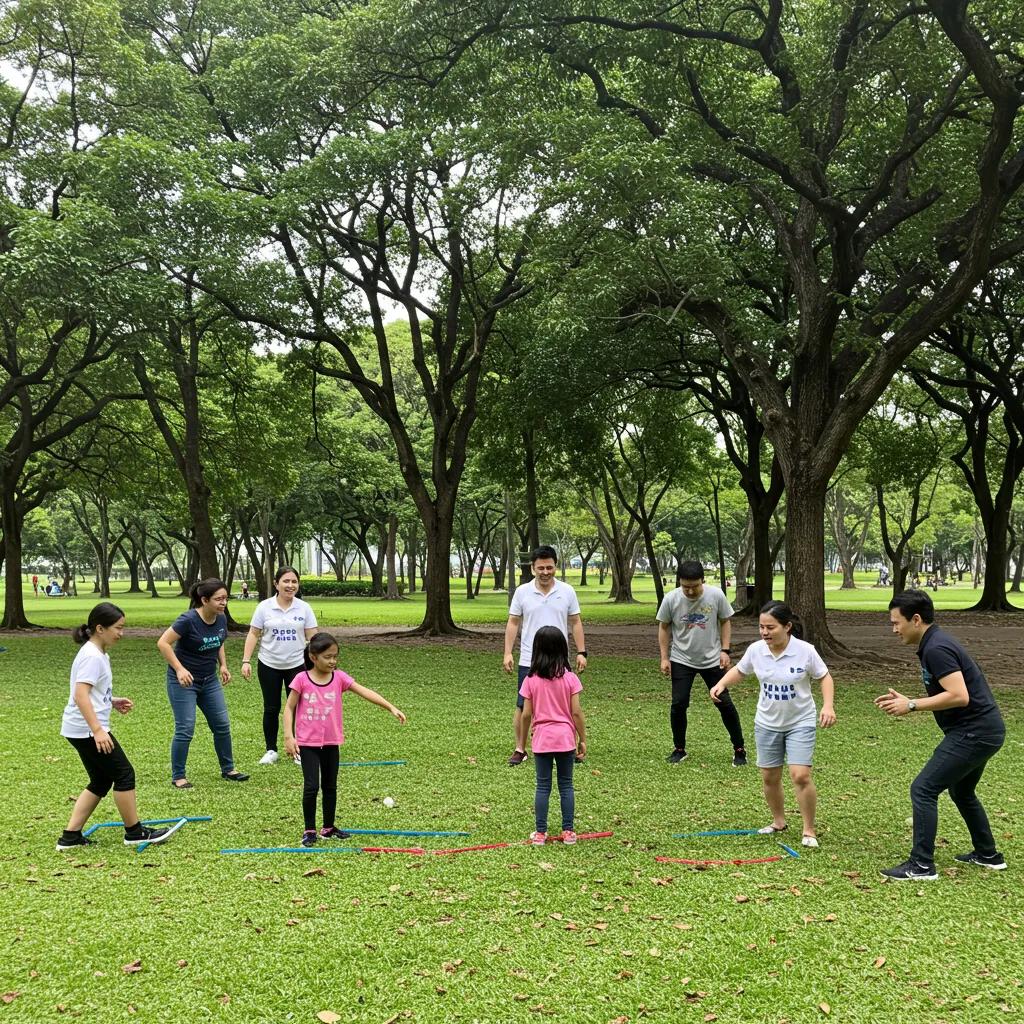
Outdoor adventure team building blends active challenges with structured learning to strengthen workplace bonds while welcoming family participation. This article shows planners how outdoor recreation becomes experiential learning, explains ideal activities and venues in Singapore, and maps customization and safety considerations for mixed-age corporate events. Many corporate teams struggle to find programs that are both engaging for employees and appropriate for children or older family members; adventure formats solve that by offering scalable physical demand and clear facilitation-led learning outcomes. Read on for top activity picks, concise explanations of how adventures build communication and leadership, venue comparisons for Sentosa, Pulau Ubin, Bedok and MacRitchie, plus a practical checklist for designing family-friendly corporate adventures. Target keywords such as outdoor adventure activities for families and corporate outdoor team building Singapore are woven through the guidance to help you plan events that balance fun, skill practice, and logistics.
Outdoor adventures that suit corporate families combine accessibility, clear roles, and teamwork-focused challenges. These activities encourage collective problem-solving while allowing for age-mixed participation and can be adjusted for physical demand through role design and staggered legs. Below is a compact comparison to help planners match objectives to format.
This table compares core activity attributes and outcomes to guide selection.
| Activity | Key Attribute(s) | Benefit/Outcome |
|---|---|---|
| Amazing Race | Low equipment, navigation stations | Improves planning, communication and time management |
| Dragon Boat Challenge | Synchronous paddling, team roles | Builds trust, coordination and shared leadership |
| Laser Clay Shooting | Precision, individual turns | Enhances focus, coaching and healthy competition |
Use this comparison to shortlist activities based on desired learning outcomes and participant mix. The next sections describe how to adapt each activity for family-inclusive corporate events.
An Amazing Race-style challenge stages timed stations that demand planning and communication. Teams navigate tasks that require role clarity, quick decisions and resource allocation. For families, legs can be mixed-age or alternate between adult and child partners to keep engagement high. Facilitator-led debriefs link station performance to workplace planning and prioritize reflection on communication patterns.
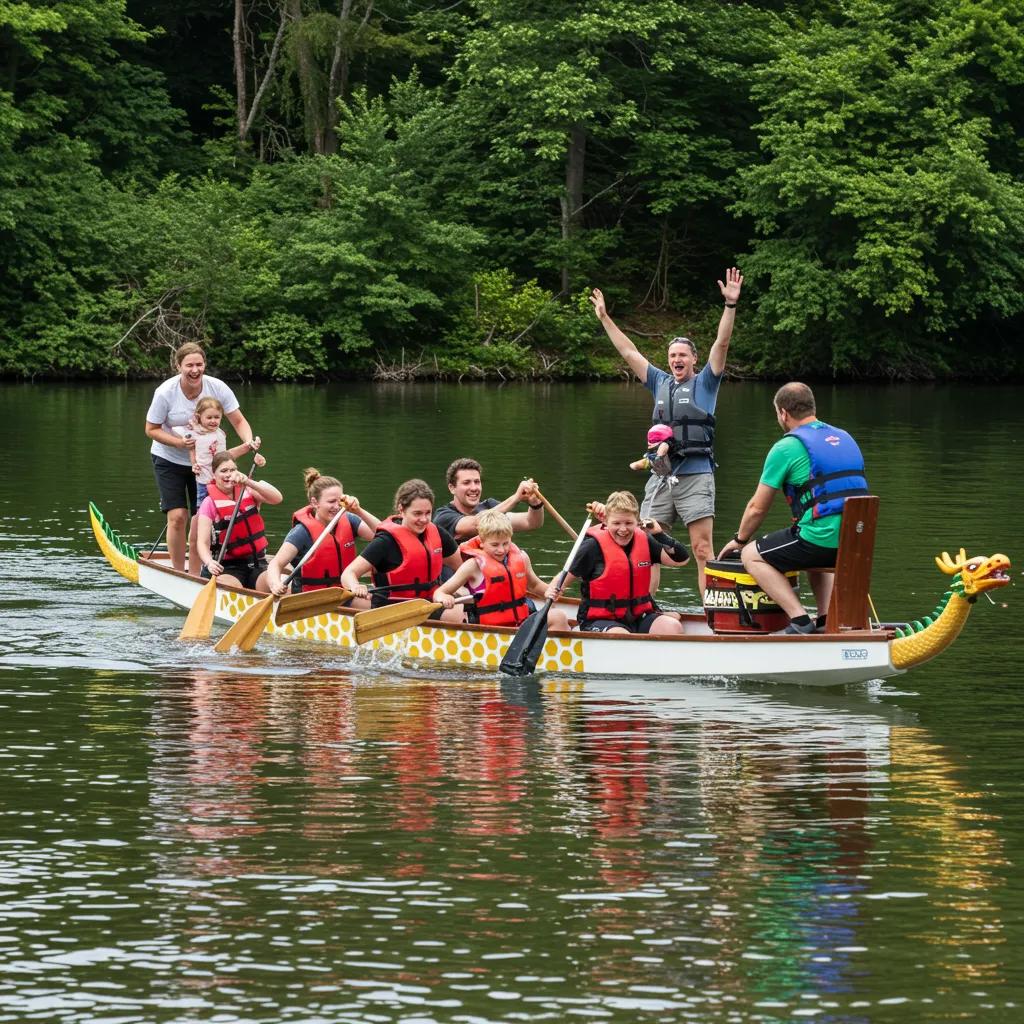
Dragon boat activities rely on synchronous action and clear crew roles, creating immediate visibility of teamwork. Short, safe paddling sessions allow family members to witness and sometimes join in supportive roles like drumming or cheering. Safety briefings and lifejackets make participation safer for mixed-age groups, while debrief discussions focus on rhythm, trust and shared responsibility. Dragon boating is especially effective where water access and rescue support are arranged.
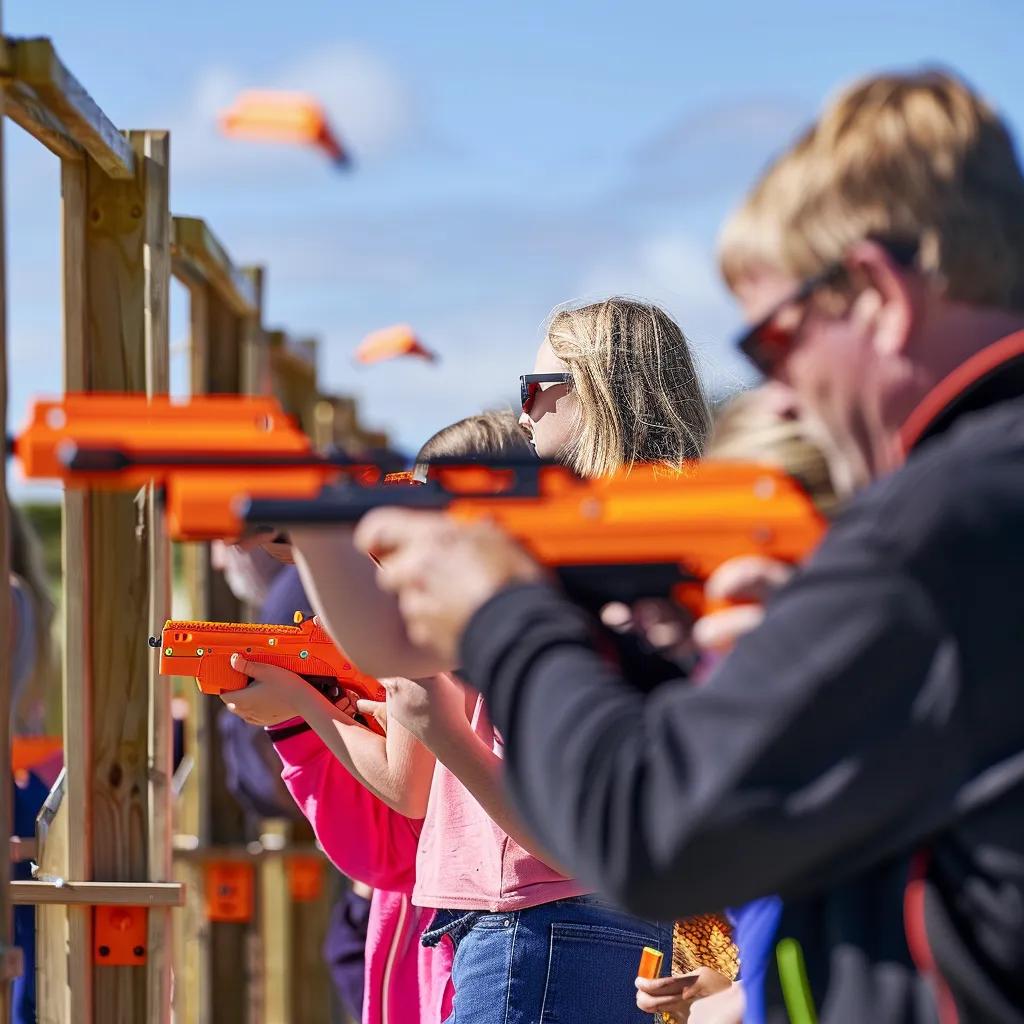
Laser clay shooting offers a novelty factor with low-risk, high-engagement format suitable for older children and adults. The activity emphasizes concentration, coaching and peer feedback during turns, helping teams practice encouragement and performance coaching. Laser systems reduce recoil and safety risks compared with live firing, and spectator roles enable family members to stay involved. Facilitators can structure rounds to mix pairs and rotate coaching responsibilities.
Outdoor team challenges produce measurable growth in communication, leadership and problem-solving through embodied practice and reflection. The mechanisms are straightforward: teams practice real-time coordination under constraint, receive immediate feedback from outcomes, and apply lessons during structured debriefs. Below is a concise list of core benefits and a short rationale for each.
These three core benefits explain why adventure team building transfers to work behaviour.
Applied measurement can include post-event surveys, observational ratings during activities, and follow-up team performance indicators. The next section connects these benefits to practical facilitation methods and debrief prompts.
Activities require brief, task-focused exchanges that sharpen message clarity and listening. Teams practise delegating subtasks, confirming understanding and synchronising action under time pressure. Debrief prompts such as “What communication worked?” translate field behaviours to daily workflows. Observational metrics can note reduction in repeated instructions and quicker consensus-building.
Adventure formats create low-stakes leadership trials where individuals step up to direct tasks or make safety calls. Structured rotations ensure more participants lead, while facilitators provide targeted feedback on decision style and situational awareness. These micro-practices allow leaders to experiment and receive immediate coaching. Returning to the workplace, teams can adopt rotated responsibilities and clearer escalation paths.
Constraints such as limited tools, time limits and changing conditions force adaptive thinking. Teams use hypothesis testing, trial-and-error and resource reallocation to succeed. Debrief questions like “Which assumptions limited our options?” bridge activity learning to business problem-solving. Repeating similar challenges with varied constraints builds transferable heuristics for workplace complexity.
Venue selection affects activity fit, access and safety for family-inclusive corporate events. Choose locations that offer appropriate terrain, facilities and emergency access while matching the activity format and participant needs. Below is a short comparison of popular Singapore venues and why each suits certain adventure formats.
| Venue | Best Activities | Logistics & Amenities |
|---|---|---|
| Sentosa | Beach Olympics, Amazing Race | Developed facilities, easy transport and family amenities |
| Pulau Ubin | Amazing Race, Exploration | Rustic trails, nature setting and low-tech adventure |
| Bedok Reservoir / MacRitchie Reservoir | Dragon Boat, Kayaking | Water access, suitable launch points and open space |
Use this table to align activity choice with venue strengths and participant comfort. Consider permits, transport and on-site facilities when finalising plans.
Sentosa offers developed infrastructure and beach settings that support varied mixed-age activities and shelter, making it ideal for large family-friendly events. Pulau Ubin provides a nature-rich backdrop for low-tech exploration and scavenger formats that appeal to families seeking an outdoor experience. Both venues require planning for transport, shade and basic medical readiness to ensure participant safety and comfort.
Reservoirs supply calm water suitable for dragon boating and kayaking that scales well for corporate groups. Launch points and open water lanes facilitate safe, supervised sessions with easy staging areas for families. Environmental rules and permit considerations must be checked, and organizers should confirm rescue-ready safety measures. Short session durations and clear role allocation help include family observers and participants.
Customisation aligns learning objectives with participant mix and logistical realities to create inclusive, impactful experiences. Key design choices include team composition, activity intensity, CSR tie-ins and hybrid options for non-physical participants. The table below outlines common customization options and expected outcomes for planners designing family-friendly corporate adventures.
| Customization Option | Typical Use Case | Expected Outcome |
|---|---|---|
| Mixed Teams | Adults paired with children or seniors | Higher engagement and shared accomplishment |
| Family Legs | Alternate adult-only and family-inclusive tasks | Balance challenge with accessibility |
| CSR Tie-ins | Clean-up or community projects | Shared purpose and positive branding |
Use these options to craft programs that meet objectives while accommodating comfort and safety. Experienced facilitation ensures the chosen customisations translate into learning and fun.
Start by defining learning objectives and desired participant experience to guide activity choice and intensity. Assess physical demands and accessibility to ensure inclusion across ages and abilities. Plan logistics such as transport, facilities, insurance coverage and weather contingencies to reduce friction on event day. Finally, design debriefs that connect play to workplace goals and invite family reflections where appropriate.
Adventour Singapore and One Dynamics specialise in bespoke program design and facilitation for corporate team building and CSR activities in Singapore. Their approach emphasises structured facilitation, tailored safety briefings and activity adaptation to participant mixes. Facilitators observe performance, guide debriefs that surface learning, and adjust intensity on the fly to maintain engagement and safety. Enquire with Adventour Singapore to discuss how bespoke programs can meet your event objectives and participant needs.
Client feedback for adventure team building commonly highlights improvements in morale, collaboration and shared memories that include family members. While individual testimonials are held by providers, common themes across successful programs include clearer communication, emergence of informal leaders, and lasting team stories that improve cohesion. The short list below captures representative client-reported outcomes that planners can expect when events are well designed and facilitated.
These outcome themes reflect typical post-event benefits reported by corporate groups.
Summarising client feedback helps teams set realistic goals and follow-up metrics for future events. If your organisation wants a tailored family-inclusive adventure, Adventour Singapore can provide program proposals and facilitation options to suit objectives and participant profiles.
Joshua Tay is the Director of AdvenTOUR Singapore, a corporate team-building company he has successfully led since 2007. With a career spanning back to 1996, Joshua brings three decades of hands-on experience designing and facilitating high-impact team-building programs, Corporate Social Responsibility (CSR) initiatives, and overseas corporate retreats for youth and corporate groups alike.
A former Singapore Armed Forces (SAF) officer, Joshua combines strategic leadership with rigorous safety standards. He is also a certified Instructor Trainer in scuba diving, first aid, and AED. Drawing from this wealth of operational and experiential expertise, Joshua personally writes and reviews all the team-building guides and resources published on this website to ensure they are practical, safe, and effective.

Effective team communication is the deliberate practice of sharing information, aligning expectations, and coordinating action so teams deliver work reliably and with higher morale. This article explains why effective team communication strategies matter, the core principles that underpin healthy team dialogue, and practical methods to remove common barriers such as silos, conflict, and remote friction. Readers will learn evidence-informed tactics—active listening, constructive feedback, and psychological safety—that improve collaboration, reduce rework, and strengthen cross-functional flow. Practical tool guidance, measurement approaches, and activity-based interventions are included to help teams adopt repeatable habits and track improvements. The guide maps core principles to operational tools, offers step-by-step remediation for common problems, and shows how experiential learning translates theory into practice through specialist programs. By the end you will have clear actions, short checklists, and examples to boost communication in both co-located and hybrid teams.
Effective team communication is the set of practices and norms that reduce misunderstanding, accelerate decision-making, and increase team resilience by making work visible and expectations explicit. Clear mechanisms—shared language, feedback loops, and documented agreements—produce measurable reductions in errors and faster handoffs, which directly impact productivity and retention. Teams that prioritize communication create higher employee engagement because people feel heard and understand their role in outcomes. These foundations lead naturally into assessing specific impacts on productivity and morale and into building psychological safety to sustain open dialogue.
Strong communication increases throughput by reducing rework and unnecessary waiting, and it bolsters morale through clearer role expectations and fewer interpersonal surprises. Recent studies and organizational audits show communication breakdowns frequently cause missed deadlines and duplicated work, which erodes trust and motivation. Teams that implement simple practices like clarified meeting agendas and defined handoff protocols often report faster cycle times and improved satisfaction surveys. Tracking metrics such as average handoff time and frequency of clarifying questions helps quantify improvements and guides next steps.
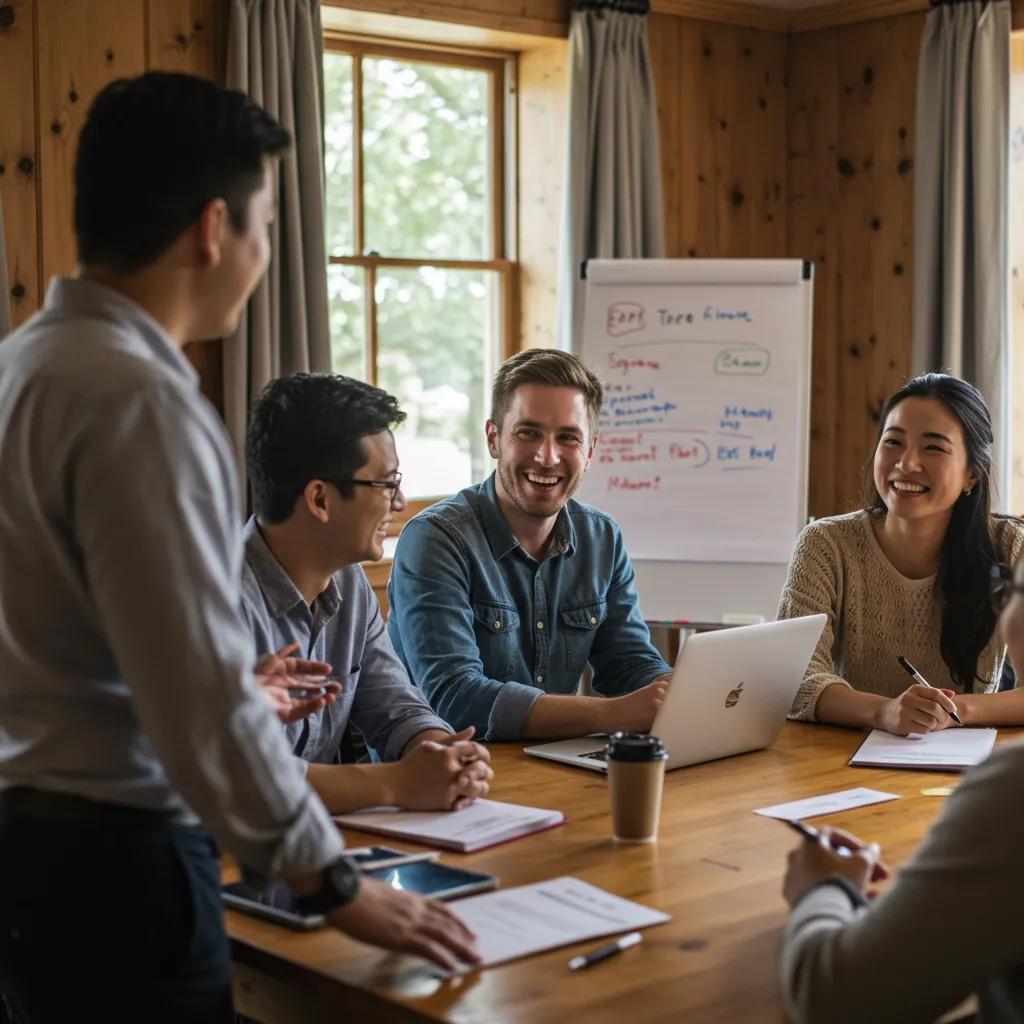
Psychological safety is the shared belief that team members can speak up, admit mistakes, and offer ideas without fear of humiliation or punishment, and it operates by reducing the personal risk of candour. When psychological safety rises, teams escalate issues earlier, share partial information faster, and engage in constructive debate that surfaces better solutions. Leaders promote safety through practices such as inviting input, normalizing occasional failure as learning, and responding appreciatively to questions. These actions create a feedback-rich environment where active listening and timely feedback can flourish.
Corporate teams commonly face silos, unclear priorities, inconsistent feedback, and remote/hybrid friction, each of which interrupts information flow and decision alignment. Silos limit visibility across functions and create duplicated effort, while unclear priorities produce conflicting task choices and missed deliverables. Inconsistent feedback reduces learning and development, and remote work often creates asynchronous gaps that amplify misunderstanding. Recognizing these barriers is the first step toward targeted remediation that restores coordination and clarifies expectations.
Core principles are the repeatable norms that shape daily interactions: psychological safety, clarity, active listening, and constructive feedback, all supported by agreed channels and rhythms. Each principle functions as a mechanism that reduces cognitive load, aligns action, and increases predictability across tasks and relationships. Applying short rituals—pre-meeting briefs, recap emails, and structured debriefs—turns principles into habits that teams can measure. These foundations enable practical micro-exercises and governance that sustain improved communication over time.
Active listening is the practice of paraphrasing, asking clarifying questions, and checking assumptions to ensure mutual understanding and avoid costly rework. This method works by replacing inference with confirmation, which reduces errors and clarifies intent during handoffs and complex problem solving. Teams can practice a quick meeting ritual: one speaker, one paraphrase, one clarifying question, then a confirmation of next steps. Over time this ritual reduces ambiguity and creates a pattern for respectful, efficient exchanges.
Constructive feedback is a structured exchange that identifies behaviour, impact, and future actions so individuals can adjust performance without defensiveness. Using simple frameworks—such as Situation-Behavior-Impact—keeps feedback specific, timely, and actionable, which increases learning and reduces repeat mistakes. When feedback is regular and normalized, teams accelerate skill development and align behaviours with shared goals. Embedding short feedback cycles in project retrospectives creates sustained improvement and clearer expectations.
Building psychological safety requires leader behaviours and team rituals that make speaking up low-risk and visibly rewarded, such as inviting dissent, celebrating small failures, and rotating facilitation. Practical cues to monitor include frequency of questions, number of ideas shared per meeting, and willingness to propose novel solutions. Small, consistent actions—explicitly asking quieter members for input and acknowledging contributions—signal inclusion and create upward momentum. Measuring these indicators guides leaders to reinforce the most effective practices.
Overcoming communication challenges involves diagnosis, targeted interventions, and measurement so improvements are reliable and repeatable rather than ad hoc. Common tactics include structured conflict protocols, cross-functional rituals, and explicit async norms for remote teams; these tactics reduce escalation and increase throughput. Implementing simple KPIs—such as response SLAs for async questions and cycle-time for handoffs—turns soft improvements into measurable outcomes. Practical interventions can be supplemented by short experiential workshops or bespoke programs that translate learning into team routines.
Conflict de-escalation follows a predictable sequence: pause and acknowledge emotion, restate positions, identify shared goals, and agree on a next-step experiment to test solutions. This structured dialogue reduces personalization of issues and redirects energy to problem-solving, which shortens resolution time and preserves relationships. Leaders can use scripted phrases—“I hear that…”, “Help me understand…”, “Can we try…”—to reframe interactions into collaborative problem-solving. Rehearsing this protocol in low-stakes settings increases fluency when higher-stakes conflicts arise.
To break silos, teams create cross-functional rituals such as regular syncs, shared dashboards, and designated liaisons who translate priorities between groups and maintain continuity. These mechanisms increase transparency, reduce duplicated work, and align upstream and downstream expectations. Quick wins include instituting a weekly 15-minute cross-team status update and assigning rotating representatives for key projects. Over time, these rituals become governance that reduces friction and accelerates collaboration across the organisation.
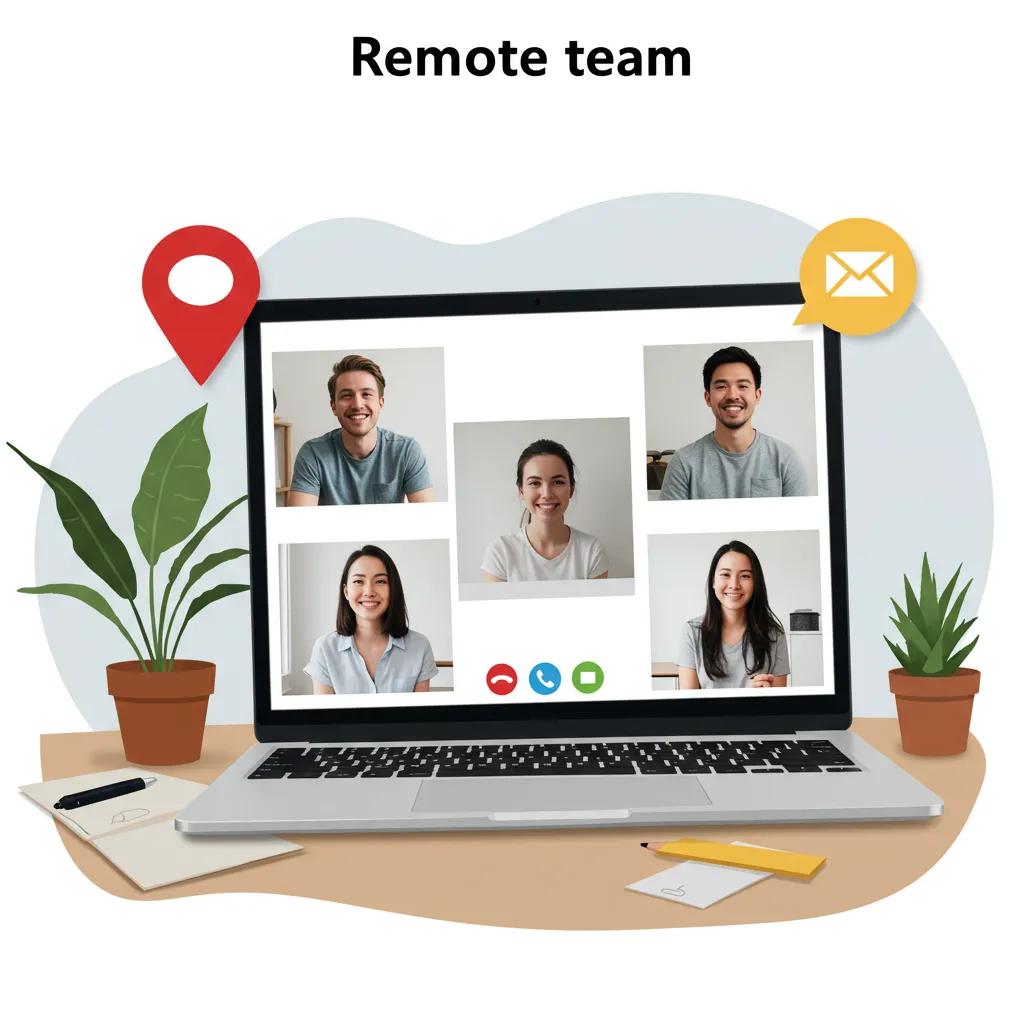
Remote and hybrid teams perform best when they combine clear async norms, disciplined meeting cadences, and accessible documentation so knowledge remains discoverable and decisions are visible. Best practices include defining response time expectations, keeping meetings time-boxed with clear agendas, and capturing decisions in a shared repository. Tools alone won’t fix norms; teams must agree on usage rules and enforce them consistently. These practices reduce redundant meetings, improve inclusivity, and keep distributed teams aligned.
After this section, teams seeking practical short-term interventions can consider bespoke team-building solutions that convert theory into practiced habits. Adventour Singapore offers Team Building Programs (Indoor, Outdoor, Overseas, CSR) that can be tailored to focus on breaking silos, practicing conflict protocols, and rehearsing remote/hybrid norms in safe simulated environments. These experiential programs reinforce communication habits by placing teams in scenario-based activities that require the very behaviours they want to adopt.
Breakthrough Communication: Hybrid Learning for Team Skill Development
This paper describes the research foundation and instructional design ofBreakThrough Communication, an evidence-based hybrid learning enterprise that builds organizational capacity by boosting communication skill in individuals and teams. BTC’s tiered talent development program combines asynchronous, self-paced video instruction in foundational knowledge; live virtual workshops customized to engage learners in practicing new skills on organizational challenges they face; and change-sustaining follow-through to embed new skills through assessment, video reinforcers, and real-time practice sessions. A certificate program that prepares internal trainers to assume communication coach roles completes the process. The BTC learning system is grounded in the traditional pedagogy of the communication field, aligns with adult learning theory, and reflects recent neuroscience research on how the human brain most efficiently learns. Three distinct areas of communication skill comprise the program’s subject material: interpersonal conflict, teamwork, and persuasive speaking. The communication models within each area have been validated in both experimental and field studies, shown to change behavior and affect outcomes.
Breakthrough communication in a hybrid world: Amplifying interactive, experiential learning, 2022
Choosing tools depends on whether the priority is synchronous coordination, knowledge preservation, or project orchestration; the right channel reduces noise and accelerates action. Synchronous chat is ideal for quick coordination, documented threads or wikis are best for knowledge, and project management platforms serve long-lived task orchestration. Security, compliance, and integration capacity also shape enterprise choices and should guide governance decisions. Below is a compact comparison to help match tool selection to common needs.
Digital platforms compared by typical corporate needs:
| Platform Type | Best For | Key Consideration |
|---|---|---|
| Real-time chat (e.g., channels) | Quick coordination and team updates | Use channels and threads to reduce noise and keep context |
| Project management boards | Task ownership and visual workflows | Ensure tasks link to decision records and deadlines |
| Knowledge repositories | Policies, SOPs, and searchable decisions | Maintain version control and clear taxonomy |
Digital platforms provide persistent channels, searchable history, and integrations that automate routine updates, which reduces coordination overhead and keeps context available. They work by centralizing conversations and connecting to tools like calendars and task trackers, making work signals more discoverable. Adoption succeeds when teams set naming conventions, channel purposes, and lightweight norms for message priority. Training and short adoption rituals ensure these platforms reinforce clarity rather than increase distraction.
Choose face-to-face for high-sensitivity conversations, complex negotiations, or when relationship building is primary; choose virtual channels for routine coordination and information sharing. Decision criteria include the conversation’s emotional intensity, complexity, and the need for rapid iteration versus record-keeping. Two practical examples: kickoffs and performance conversations benefit from in-person presence, while status updates and document reviews suit async methods. Applying a quick checklist—sensitivity, complexity, relationship—helps teams select the right modality.
Map team needs to tool families: coordination → chat, project coordination → boards, knowledge management → wiki or docs, synchronous deep work → video with facilitation. Integrations between these tools reduce manual updates and keep single sources of truth, while governance prevents duplication and fragmentation. When choosing tools, prioritize interoperability, discoverability, and clear ownership to maintain signal-to-noise. Effective tool choice is reinforced by practice; Adventour Singapore’s experiential workshops can help teams rehearse tool-based collaboration in realistic scenarios through Team Building Programs (Indoor, Outdoor, Overseas, CSR).
| Need | Tool Type | Example Application |
|---|---|---|
| Coordination | Chat channels | Quick clarifications and standup notes |
| Task orchestration | Project boards | Sprint planning and task handoffs |
| Knowledge retention | Wikis/docs | SOPs and decision logs |
Adventour Singapore translates communication theory into experiential practice through bespoke indoor, outdoor, overseas, and CSR programs that focus on observable behaviours and measurable outcomes. Experiential design forces teams into interdependent tasks where communication, role clarity, and feedback matter for success, and instructors coach observable practices rather than only giving theory. Programs include the Modified DISC Workshop to surface communication styles and tailored activities that rehearse desired behaviours under time pressure and interdependence. The following table links specific programs to the communication skills they develop and the tangible learning values teams gain.
| Program | Communication Skill Developed | Learning Value |
|---|---|---|
| Modified DISC Workshop | Understanding communication styles | Faster, clearer handoffs and reduced misinterpretation |
| Amazing Race | Strategic coordination under time pressure | Role clarity and rapid decision-making |
| Squid Games | Rapid problem-solving in teams | Clear briefing and adaptive roles |
| Running Man | Real-time coordination and trust | Improved on-the-spot communication and leadership |
Modified DISC Workshops help teams identify dominant communication preferences by mapping behaviours to understandable profiles, which reduces misinterpretation and speeds alignment. Knowing colleagues’ profiles allows teams to tailor messages, adjust meeting styles, and plan handoffs with greater empathy. Practically, teams report clearer delegation and fewer cross-purpose assumptions after applying DISC insights in meetings and project planning. Embedding follow-up micro-actions ensures the workshop translates into sustained behaviour change.
Activities like Amazing Race create task interdependence, time pressure, and clear success criteria, forcing teams to practice concise briefing, delegated roles, and rapid feedback loops. The mechanics push teams to experiment with coordination patterns and immediately see the consequences of unclear communication, which accelerates learning. Key transferable behaviours include concise briefings, explicit role assignments, and structured debriefs that capture lessons for future work. Repeating debriefs after activities cements the new routines into day-to-day operations.
Measured outcomes from experiential interventions often include faster cross-team handoffs, increased frequency of constructive feedback, and clearer role ownership documented in follow-up surveys and KPIs. For example, teams that practice targeted scenarios show reduced handoff times and higher confidence in decision making during post-program assessments. Adventour Singapore’s approach pairs short pre/post assessments with observable coaching to create clear metrics for improvement. Teams interested in tailored programs like Team Building Programs (Indoor, Outdoor, Overseas, CSR) or the Modified DISC Workshop can leverage these formats to create measurable improvements in communication and collaboration.
These practices help teams close the loop between learning and on-the-job performance, making communication improvements durable and measurable.
Joshua Tay is the Director of AdvenTOUR Singapore, a corporate team-building company he has successfully led since 2007. With a career spanning back to 1996, Joshua brings three decades of hands-on experience designing and facilitating high-impact team-building programs, Corporate Social Responsibility (CSR) initiatives, and overseas corporate retreats for youth and corporate groups alike.
A former Singapore Armed Forces (SAF) officer, Joshua combines strategic leadership with rigorous safety standards. He is also a certified Instructor Trainer in scuba diving, first aid, and AED. Drawing from this wealth of operational and experiential expertise, Joshua personally writes and reviews all the team-building guides and resources published on this website to ensure they are practical, safe, and effective.
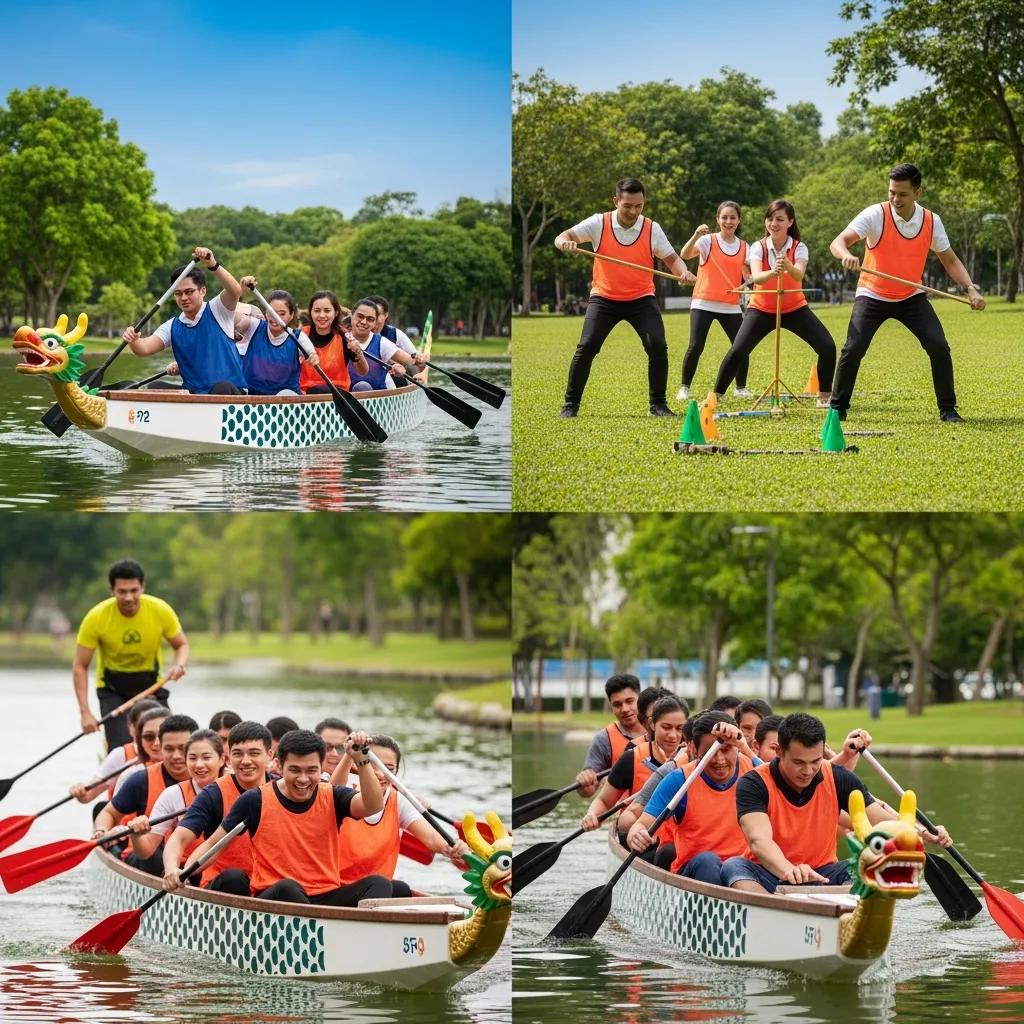
Outdoor team building exercises are structured, experiential activities that place employees in shared physical and problem-solving scenarios to boost teamwork, communication, leadership and morale. These programs use real-world constraints and group goals so teams practise collaboration under low-risk pressure, turning play into measurable workplace skills. This article explains why outdoor team building activities in Singapore drive business outcomes, presents top adventure team building Singapore examples, outlines a simple customization process you can follow, and shows how to measure impact. Readers will get practical exercise ideas, venue and logistics considerations tailored to local constraints, and clear steps to engage a provider for outcomes-driven events. Throughout we use current research perspectives and practical implementation tips so HR and people leaders can plan effective corporate team building Singapore programs with confidence.
Outdoor team building games are essential because they convert abstract skills like communication and trust into observable behaviours through shared challenges and experiential learning. The mechanism is simple: teams face constraints and must allocate roles, communicate under time pressure, and adapt—this produces repeatable improvements in coordination and psychological safety. Measurable outcomes include faster decision cycles, clearer role clarity, and higher reported engagement after brief interventions. Employers can align these outcomes to KPIs such as collaboration scores in engagement surveys and observable cross-team project metrics.
Outdoor team building delivers three core benefits through direct mechanisms:
These benefits transfer when structured debriefs connect activity moments to everyday workflows, which leads to clearer behaviour changes in the office.
Outdoor activities boost teamwork and communication by creating constrained environments where information gaps and interdependence are visible and urgent. Teams practise concise briefing, active listening, and feedback loops while attempting a physical objective, which reinforces communication routines that translate back to work. For example, a timed problem-solving challenge requires role assignment and status updates; those practices map directly to stand-ups and handoffs. Facilitators who prompt reflection during debriefs help teams convert event behaviours into repeatable team norms and improved meeting efficiency.
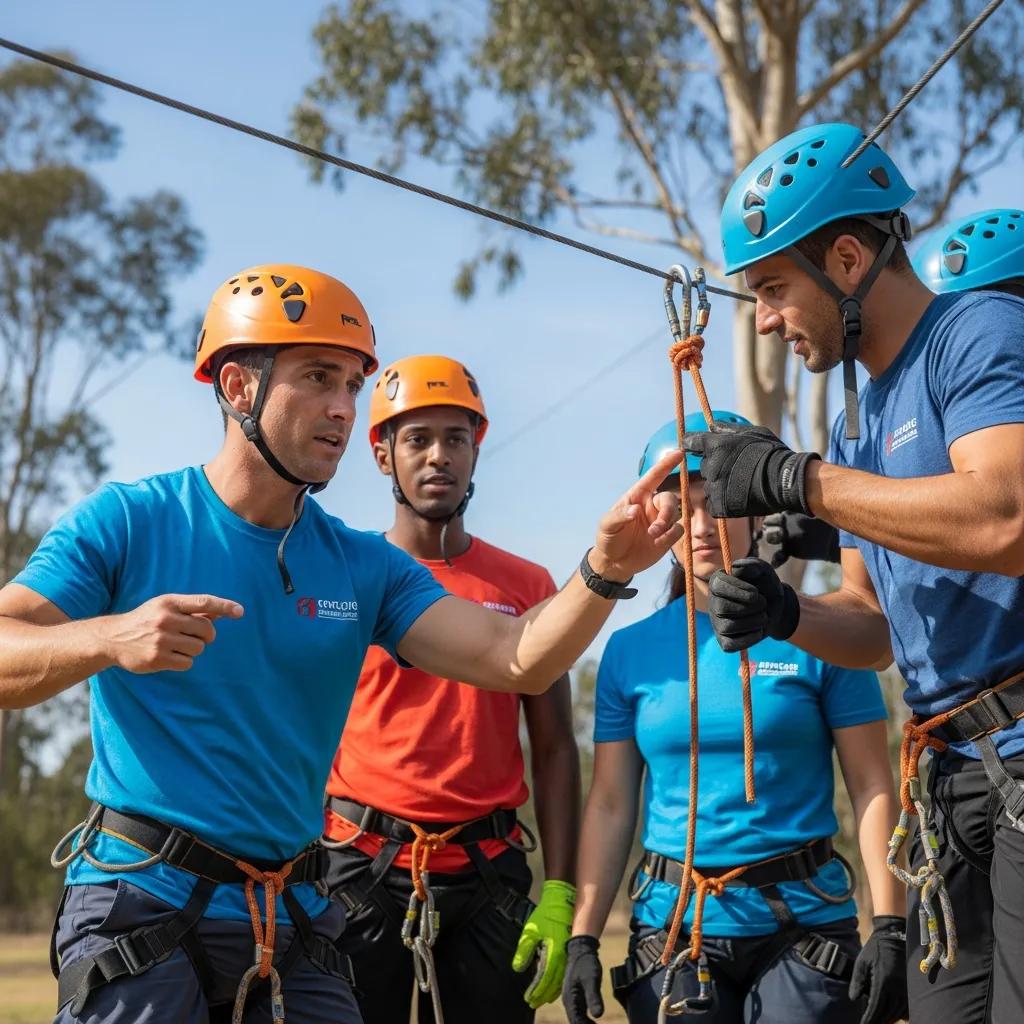
Outdoor challenges develop leadership skills like rapid decision-making, delegation, and situational awareness because leaders must organise resources and act under evolving constraints. Problem-solving improves as teams learn to reframe obstacles, use limited resources creatively, and test quick prototypes in the field. Activities that rotate leadership roles accelerate capability distribution across the team, ensuring more individuals can step up when projects require cross-functional coordination. These skill gains are trackable via pre/post activity surveys and behavioural observation during subsequent projects.
Adventure team building Singapore focuses on high-engagement, active formats that combine physical challenge with strategic thinking to deliver strong bonding and learning outcomes. Adventure activities are especially effective for teams needing morale boosts, trust building, and energy renewal through shared achievement. Below are curated exercise types, each chosen for clear learning objectives and suitability for common group sizes in Singapore corporate settings.
The following list highlights top choices and one-line benefits:
These adventure formats can be scaled for groups from small teams to whole departments and adapted for different physical intensity levels to suit accessibility needs.
Introductory comparison of adventure activities, their learning focus and suitability:
| Activity | Key Learning Objective | Typical Group Size / Intensity |
|---|---|---|
| Amazing Race | Navigation, delegation, cross-team problem-solving | 20–100 / Low-Medium |
| Dragon Boat Challenge | Coordination, leadership, endurance | 10–40 / Medium-High |
| Team Olympics | Role clarity, healthy competition, morale | 10–200 / Low-Medium |
| Squid Game-style Challenges | Decision-making under pressure, risk assessment | 8–80 / Medium |
This table helps planners pick activities that match objectives and group constraints; choices should then be refined with logistical planning and safety checks.
Bonding arises when teams experience shared achievement, mild physical challenge, and moments of humour or vulnerability, which many adventure activities deliberately create. Games like Dragon Boat Challenge and Team Olympics foster synchrony and mutual reliance, making intangible trust visible through coordinated action. Urban formats such as Amazing Race introduce collaborative problem-solving with social elements that accelerate peer recognition. Selecting lower-risk variations and inclusive roles ensures bonding benefits are accessible to all participants regardless of fitness levels.
Improved collaboration and morale follow from repeated small wins and clearer interpersonal knowledge gained during activities, which increase mutual predictability and willingness to cooperate. Post-event measurement—short engagement surveys and manager observations—can capture shifts in team sentiment and cross-team referrals. Over time, improved morale links to reduced friction in projects and better retention indicators; event designers should recommend pre/post metrics to quantify ROI. Simple measures like net promoter scores for team events and action plans from debriefs make the business case visible.

Customizing outdoor team building programs begins with aligning the event design to explicit organisational goals, participant constraints, and budget. The process ensures each activity maps to desired outcomes—such as communication improvement or leadership identification—while accounting for logistics and accessibility. A clear customization framework creates better ROI because it targets mechanisms that produce measurable behaviour change rather than generic fun. Below is a concise how-to process you can apply before selecting specific activities.
Follow these practical steps to customise a program:
These steps create a tight line from objective to activity to measurement, increasing the likelihood that learning transfers to work.
Introductory matrix showing common customization levers and their benefits:
| Customization Option | What it Changes (Attribute) | Benefit / ROI |
|---|---|---|
| Duration & pacing | Engagement depth and fatigue levels | Longer sessions allow deeper learning and reflection |
| Facilitation depth | Level of guided reflection and action planning | Stronger behaviour transfer and measurable outcomes |
| CSR integration | Inclusion of community tasks | Enhanced purpose alignment and employer brand value |
Customising these attributes helps teams focus on outcomes and permits transparent budgeting for measurable impact.
Ideal venue choices in Singapore balance accessibility, activity needs, and permit requirements to ensure smooth execution. Urban parks, waterfronts and designated activity centres each suit different activities: waterfronts for dragon boating, large parks for team Olympics, and city routes for Amazing Race formats. Logistics include transport planning, safety briefings, permit checks and weather contingencies; these factors determine participant experience and risk management. Choosing venues with nearby facilities and contingency indoor options reduces day-of-event disruption and supports inclusive participation.
Customization features that most directly enhance engagement and ROI include tailored learning objectives, structured debriefs with action plans, and measurable KPIs tied to business goals. Features such as rotating leadership roles and skill-focused modules increase observable behaviour change, while transparent pricing frameworks help stakeholders approve budgets. Below is a numbered, step-style checklist to implement customization effectively.
Applying these steps makes the event a strategic intervention rather than a one-off morale booster.
Adventour Singapore positions itself as a specialist for corporate team building events and workshops in Singapore, offering quality and premium programs designed to balance fun with strategic learning. The company provides curated activities such as Squid Game, Running Man Challenge, Laser Clay Shooting, Amazing Race, Team Olympics and Dragon Boat Challenge, and emphasises expert planners and transparent pricing. Adventour’s approach focuses on enhancing collaboration, leadership and problem-solving through thoughtfully designed experiential learning, with example pricing ranges made clear to help planning decisions. For organisations ready to convert team-building into measurable outcomes, contacting Adventour Singapore to engage its planners is the recommended next step.
How Adventour’s experience and services translate to client benefits:
Two decades of event experience yields practical advantages in logistics, vendor relationships and refined facilitation design that improve both reliability and learning outcomes. Experienced providers already understand local venue constraints, permit processes and safety requirements, which shortens planning timelines and reduces operational risk. They can also suggest proven activity sequences and debrief formats that directly map to organisational goals, increasing the probability that the event produces measurable improvements in collaboration. Picking a provider with deep local experience therefore increases the likelihood of a smooth, targeted, and impactful team-building outcome.
Joshua Tay is the Director of AdvenTOUR Singapore, a corporate team-building company he has successfully led since 2007. With a career spanning back to 1996, Joshua brings three decades of hands-on experience designing and facilitating high-impact team-building programs, Corporate Social Responsibility (CSR) initiatives, and overseas corporate retreats for youth and corporate groups alike.
A former Singapore Armed Forces (SAF) officer, Joshua combines strategic leadership with rigorous safety standards. He is also a certified Instructor Trainer in scuba diving, first aid, and AED. Drawing from this wealth of operational and experiential expertise, Joshua personally writes and reviews all the team-building guides and resources published on this website to ensure they are practical, safe, and effective.
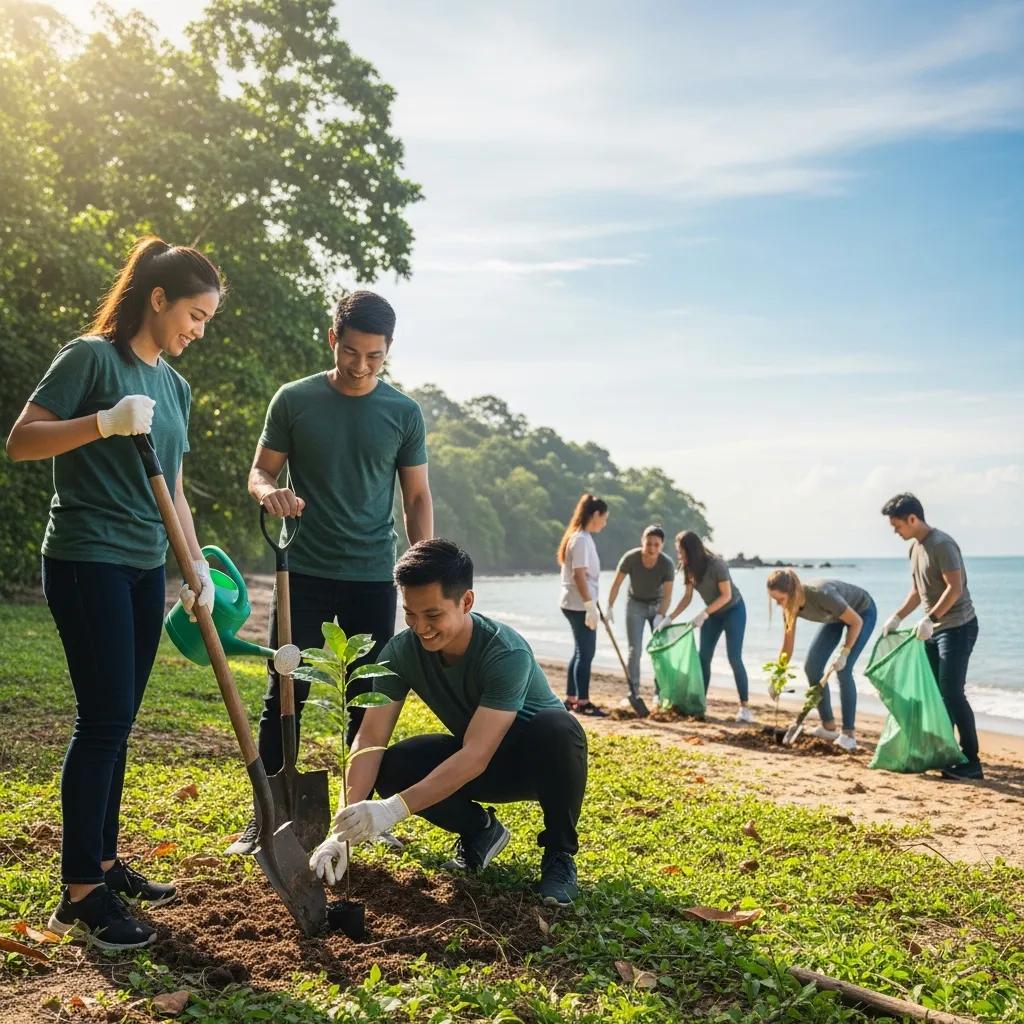
Eco-friendly team building blends outdoor adventure with measurable conservation outcomes to support employee engagement and corporate sustainability goals. This article shows nature-focused activity ideas, explains how conservation work strengthens teamwork and leadership, recommends Singapore locations suited to low-impact events, and offers practical steps to customise green programmes for corporate groups. Many organisations seek sustainable corporate retreats and green team challenges that reduce carbon footprints while delivering meaningful CSR results; this guide bridges inspirational ideas with actionable planning and measurable outcomes. You will find specific eco-friendly outdoor activities, conservation volunteering options with suggested metrics, local site considerations for Singapore, and a customisation checklist to align events with ESG priorities. Throughout, the content integrates practical vocabulary — from biodiversity engagement to carbon-neutral team activities — so planners can translate ideas into programs that boost morale, skills, and environmental impact.
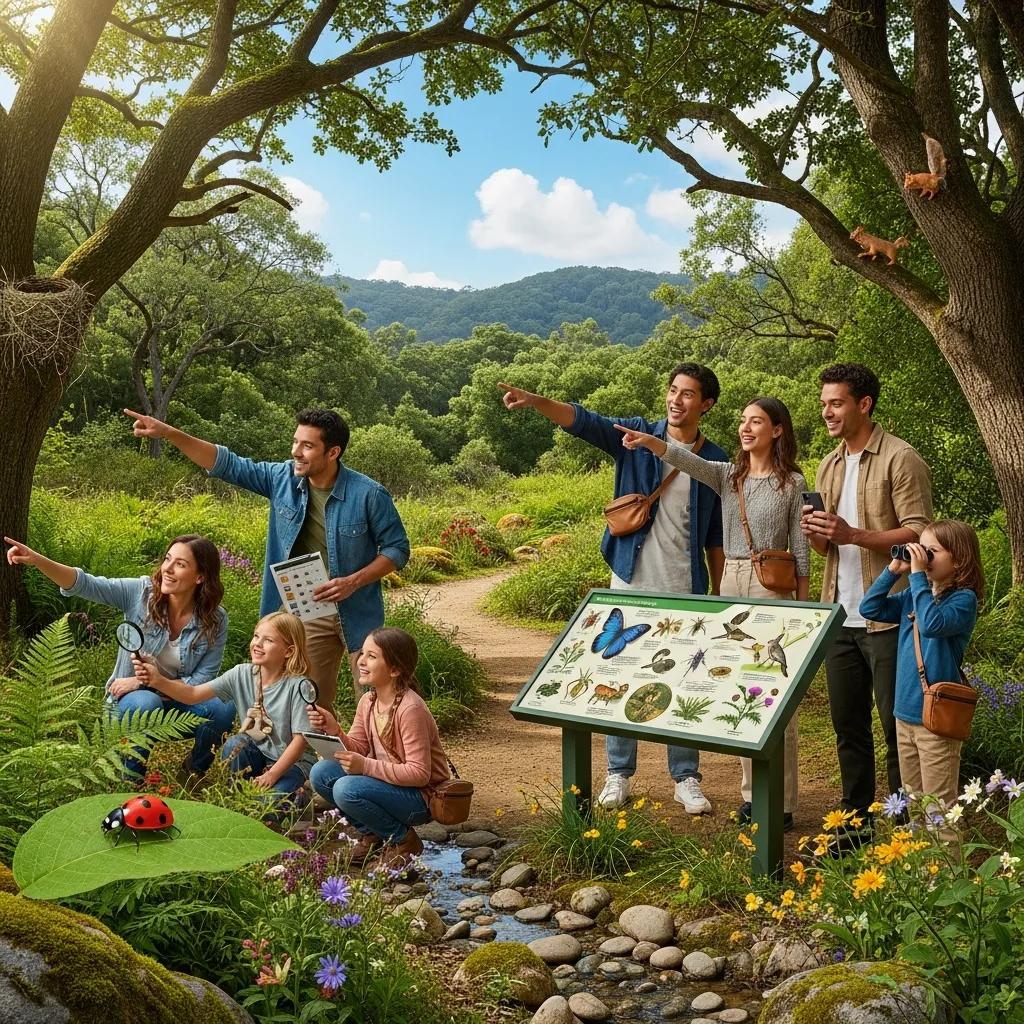
Sustainable outdoor activities for nature lovers combine low-impact adventure, biodiversity awareness, and community benefit to create memorable team experiences. These activities work by minimising waste and disturbance, using local partners, and incorporating education to change participant behaviour toward sustainability. The result is strengthened team cohesion, improved wellbeing, and clear environmental benefits such as reduced litter, increased native plantings, or enhanced habitat quality. Below is a concise list of high-impact, eco-conscious team activities that work well for corporate groups seeking environmental team building.
These activity types balance adventure and conservation, providing measurable outcomes while keeping participant impact low and engagement high.
Intro to comparison table: The table below compares common eco-friendly activities by their primary environmental attribute and typical team-building outcome to help planners choose the right option.
| Activity | Environmental Attribute | Team Outcome |
|---|---|---|
| Sustainable Hiking Challenge | Trail stewardship, minimal-impact practices | Communication and navigation skills |
| Beach Cleanup | Marine debris removal, waste segregation | Shared purpose and collective effort |
| Nature Scavenger Hunt | Biodiversity education, citizen science | Observation and problem-solving |
| Tree Planting | Habitat restoration, carbon sequestration | Long-term commitment and stewardship |
This comparison highlights how each activity links a clear sustainability attribute to a practical team outcome, helping organisers match objectives to experiences.
Conservation-focused team building emphasises activities with direct, measurable environmental outcomes such as kilograms of waste removed or number of native trees planted. Beach cleanups provide immediate visible impact through debris collection and proper disposal, while tree planting contributes to local canopy and carbon sequestration when paired with follow-up monitoring. Habitat restoration or invasive species removal can show progress via simple metrics like area restored or volunteer hours contributed. Framing these activities as CSR outcomes helps companies document volunteer hours, quantify materials removed or planted, and report tangible benefits to stakeholders.
These conservation initiatives also create narratives for internal communication and external reporting, linking employee effort to corporate sustainability targets and building pride in measurable environmental contributions.
Green outdoor adventures support sustainability by educating participants about ecosystems, modelling low-impact behaviour, and choosing local venues to reduce travel emissions. Educational elements — short briefs, species ID, or local ecology talks — lead to greater environmental awareness and behaviour change after the event. Operationally, adhering to waste segregation practices, using reusable equipment, and partnering with local conservation organisations reduces the event’s footprint. Over time, these practices translate into improved corporate environmental habits and reinforced ESG commitments among employees.
By combining adventure with instruction and measurable conservation practices, green activities shift individual behaviours and create long-term support for biodiversity and sustainable tourism principles.
Nature conservation activities enhance corporate team building by providing contextual tasks that require collaboration, shared responsibility, and problem-solving under real-world constraints. Conservation work asks teams to coordinate logistics, adapt to changing conditions, and make collective decisions, which maps directly to leadership and teamwork competencies. The practical benefits include improved communication, clarified roles, and strengthened trust as teams accomplish visible environmental outcomes. Below is a brief list of key benefits that conservation-focused events typically deliver for corporate teams.
These benefits align with CSR and ESG indicators and make conservation activities a strategic choice for team development and corporate reporting.
Intro to CSR mapping table: The following table links common conservation activities to CSR metric impact and typical logistics to help decision-makers plan scalable programs.
| Conservation Activity | CSR Metric Impact | Typical Group Size / Timeframe |
|---|---|---|
| Beach Cleanup | Kilograms of waste removed; volunteer hours | 10–50 people / 2–4 hours |
| Tree Planting | Number of trees planted; survival rate | 15–60 people / half-day |
| Habitat Restoration | Area restored; biodiversity monitoring | 10–30 people / half-day to full day |
This mapping clarifies how volunteering options translate to CSR metrics and operational needs, enabling planners to select activities that fit objectives and schedules.
For companies wanting professional support, Adventour Singapore specialises in curating tailored conservation-integrated team experiences and CSR programs that align with corporate goals. Adventour can adapt popular formats like eco-adapted Dragon Boat or Amazing Race-style challenges to emphasise sustainability and measurable impact, offering structured workshops that balance engagement with environmental outcomes.
Singapore offers diverse natural and urban green spaces suitable for eco-friendly activities, each selected for accessibility, biodiversity interest, and infrastructure to support groups. Natural reserves and coastal areas provide settings for hiking, birdwatching, and coastal cleanups, while urban parks, community gardens, and waterfront promenades are ideal for nature scavenger hunts and urban greening challenges. Choosing nearby sites reduces travel emissions and improves participation rates, while site selection should consider permits, group size limits, and Leave No Trace requirements.
Selecting the right site depends on objectives: conservation impact favors coastal and restoration sites, while team skills and accessibility are well-served in urban green spaces.
Adventour Singapore can organise events at or near these locations and customise formats to match corporate ESG goals, providing proposals that balance logistics, sustainability practices, and measurable outcomes upon request.
Sustainable hiking works best on trails with clear route markers, durable surfaces, and biodiversity value that reward observation and learning. These sites should support group movement without causing erosion or habitat disturbance, and they ideally offer facilities for safe access and minimal-impact breaks. Organisers should emphasise Leave No Trace principles, carry lightweight gear, and plan routes that match group fitness and accessibility needs. Small-group formats with split-route challenges help maintain low impact while providing meaningful learning about local ecosystems.
Preparation and briefings before hikes reinforce conservation goals and ensure participants leave with improved ecological awareness and practical stewardship behaviours.
Urban green spaces such as parks, promenades, and community gardens are ideal for scalable eco-challenges that reduce travel-related emissions and engage local communities. Formats include eco scavenger hunts that highlight native plants, pop-up urban gardening where teams learn planting techniques, and community cleanups that pair volunteers with local groups. These activities foster local stewardship and can incorporate waste segregation and recycling stations to model sustainable event operations. Urban formats also facilitate corporate reporting by making logistics and impact measurement straightforward.
Using urban sites supports accessibility, encourages repeat engagements, and connects corporate teams directly with neighbourhood conservation efforts.
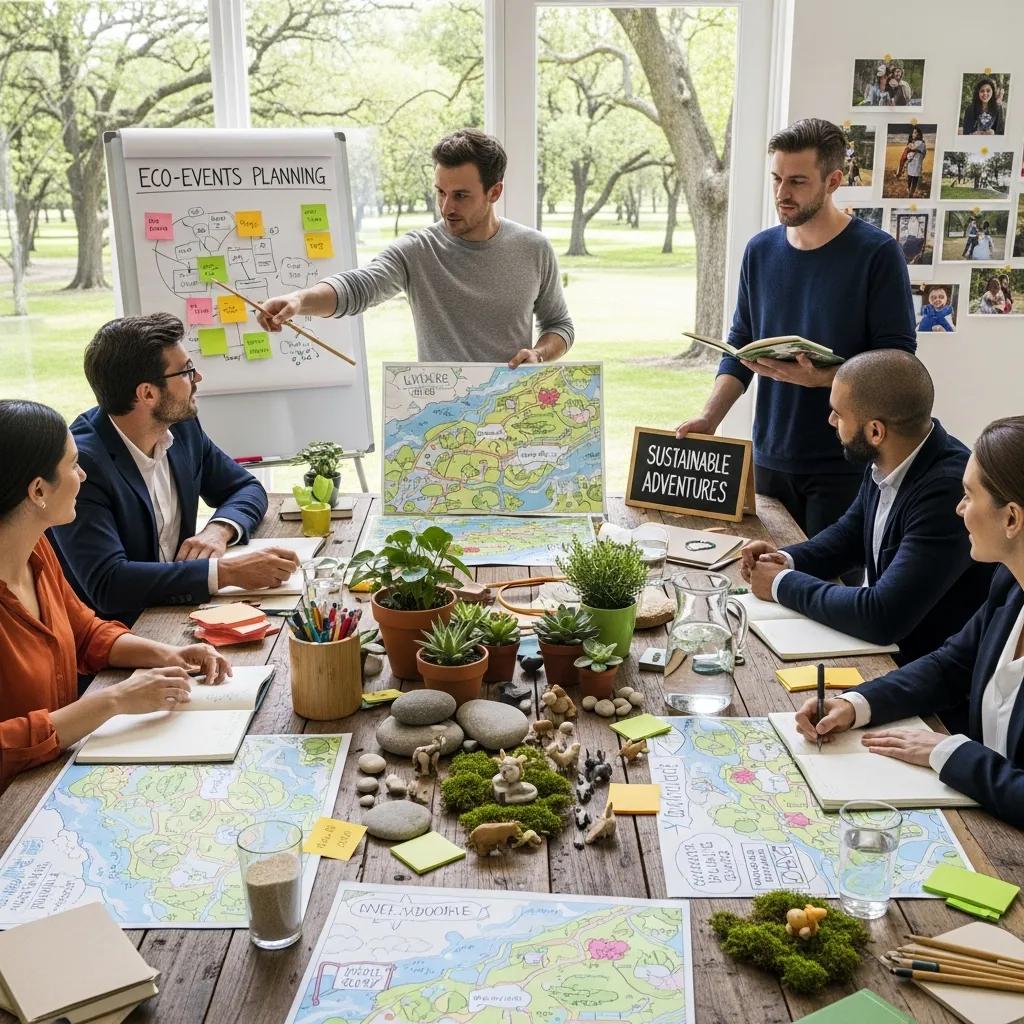
Customising eco-friendly activities begins with clarifying objectives, measuring desired CSR outcomes, and assessing budget, accessibility, and group size to select suitable formats. Start by defining primary goals (team skills vs. measurable conservation), choose metrics (volunteer hours, kg waste removed, trees planted), and pick partners to support follow-up monitoring. Tailoring includes adapting challenge difficulty, embedding educational modules, and providing post-event reporting to record ESG outcomes. The checklist below offers a stepwise approach to building a customised programme.
Custom programmes yield higher engagement and clearer reporting; for bespoke proposals, Adventour Singapore offers custom planning aligned with corporate CSR priorities and can deliver tailored event proposals that measure impact and engagement.
Tailored green experiences align activities with company values and measurable outcomes, increasing relevance and participant buy-in while supporting ESG reporting. Customisation allows teams to focus on leadership competencies or community impact, incorporate accessibility accommodations, and set realistic monitoring protocols for post-event evaluation.
Measurable reporting of volunteer hours, materials processed, or trees planted turns an activity into a verifiable CSR contribution. Tailored programmes therefore strengthen internal engagement and external accountability simultaneously.
Integrating CSR initiatives amplifies event value by linking volunteer actions to broader corporate sustainability goals, improving reputation, and providing tangible KPIs for stakeholders. Examples include partnering with community groups for habitat restoration and including impact statements in CSR reports using KPIs like volunteer hours, waste collected, and plant survival rates. These integrations increase employee morale, create external goodwill, and deliver measurable environmental results that support long-term ESG tracking. Short-term team wins thus convert into longer-term organisational commitments to biodiversity conservation and sustainable tourism principles.
By embedding CSR into design and reporting, eco-friendly team activities become strategic investments in people and the planet.
Joshua Tay is the Director of AdvenTOUR Singapore, a corporate team-building company he has successfully led since 2007. With a career spanning back to 1996, Joshua brings three decades of hands-on experience designing and facilitating high-impact team-building programs, Corporate Social Responsibility (CSR) initiatives, and overseas corporate retreats for youth and corporate groups alike.
A former Singapore Armed Forces (SAF) officer, Joshua combines strategic leadership with rigorous safety standards. He is also a certified Instructor Trainer in scuba diving, first aid, and AED. Drawing from this wealth of operational and experiential expertise, Joshua personally writes and reviews all the team-building guides and resources published on this website to ensure they are practical, safe, and effective.
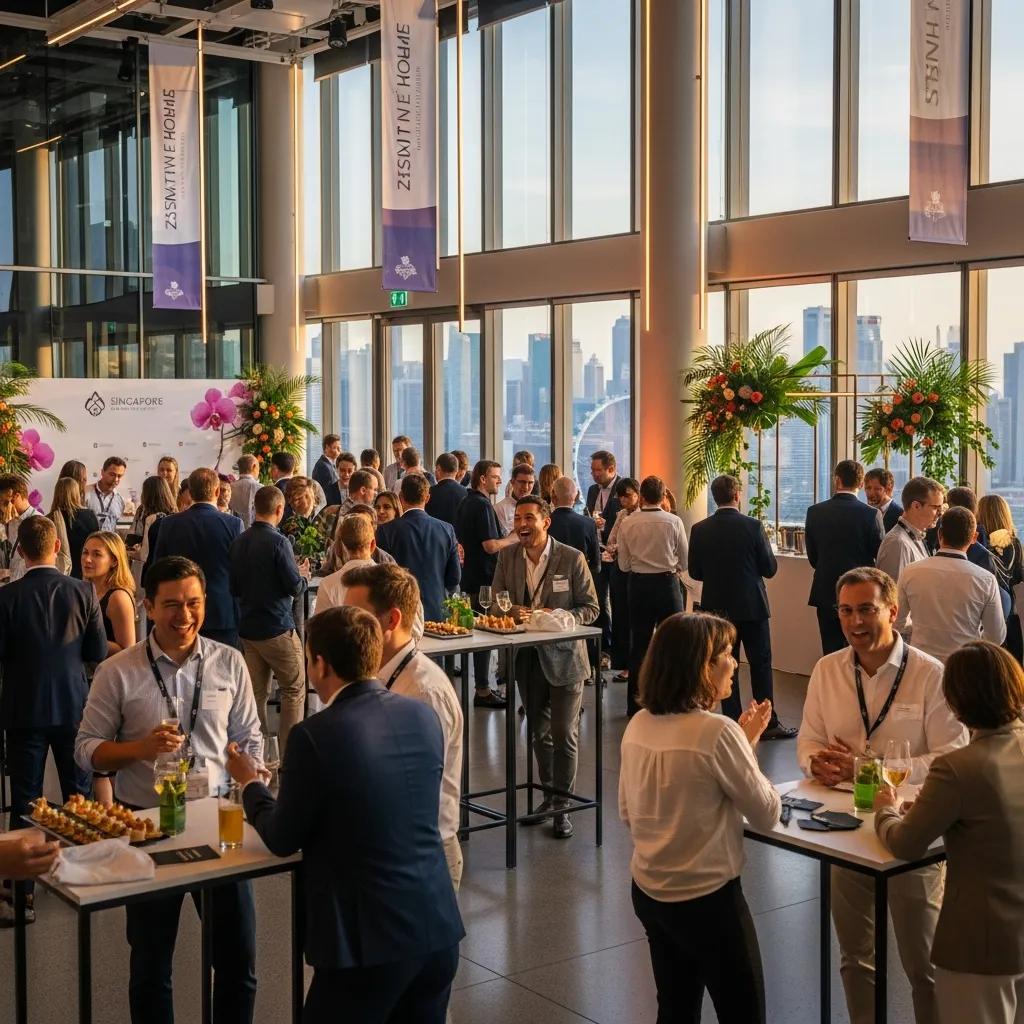
Author Expertise: Adventour Singapore brings over 16 years of hands-on experience in corporate event management Singapore, recognized as a Top 10 Corporate Team Building Company in Asia (2023). This guide is crafted from managing hundreds of corporate functions across Singapore, providing you with trusted insights and practical advice for your event success.
When it comes to corporate event planning Singapore, understanding the local landscape, logistics, and venue options is essential. Singapore’s dynamic business environment and diverse venues make it an ideal location for corporate functions, team building events, and hybrid events. This comprehensive guide by Adventour covers everything from defining your event objectives to venue sourcing Singapore, event logistics Singapore, and corporate entertainment Singapore, ensuring your event is seamless and impactful.
Many organizations face challenges in event production Singapore, but with a structured approach and expert guidance, you can streamline the process and achieve your goals efficiently. This article explores a step-by-step planning guide, essential steps, Singapore-specific logistics, and key factors to consider when organizing corporate events in Singapore.
Indeed, the success of any corporate event often hinges on the expertise and collaboration of key professionals involved in its planning and execution.
Roles of Venue Managers & Meeting Planners for Event Success
The purpose of this research was to gain the perspectives of venue managers and meeting planners on their roles in the meetings industry, their relationship with each other and attributes needed to host a successful meeting. An online survey was conducted involving these two stakeholders to define their roles, assess the strength of their relationship and identify attributes based on their experience with working together and hosting meetings. Results showed that venue managers and meeting planners are essential to the hosting of successful meetings.
Venue managers and meeting planners: A combined perspective of their roles, relationships, and attributes necessary for hosting a successful meeting, 2018
A structured approach to corporate event management Singapore is crucial for success. The first step is to define clear objectives for your event, which will guide all subsequent decisions. Next, consider choosing a team building company that aligns with your goals. Selecting engaging activities that resonate with your audience is also essential. By following these steps, you can create a solid foundation for your event.
When planning a corporate event in Singapore, several critical steps must be followed to ensure a successful outcome.
These steps are vital in creating a roadmap for your event, ensuring that all elements align with your overall goals.
Singapore offers a variety of premier venues ideal for corporate functions, each with unique features to suit different event types:
Understanding local regulations and logistics is key to smooth event production Singapore:

Creating a checklist is an effective way to ensure that all aspects of your corporate event are covered. A well-structured checklist should include:
Reviewing this checklist regularly will help keep your planning on track and ensure nothing is overlooked.
HR managers play a crucial role in organizing corporate events. Here are some key factors to consider:
By focusing on these factors, HR managers can create events that foster engagement and meet organizational goals.
Selecting the right venue is a critical aspect of corporate event planning. Here are some criteria to consider:
Choosing the right venue can significantly impact the overall success of your event.
Certain venue features can enhance the effectiveness of team building activities. Key features to look for include:
These features contribute to a more engaging and productive team building experience.
Evaluating venue accessibility and amenities is essential for ensuring a smooth event experience. Consider the following:
A thorough evaluation will help you select a venue that provides a comfortable experience for all attendees.
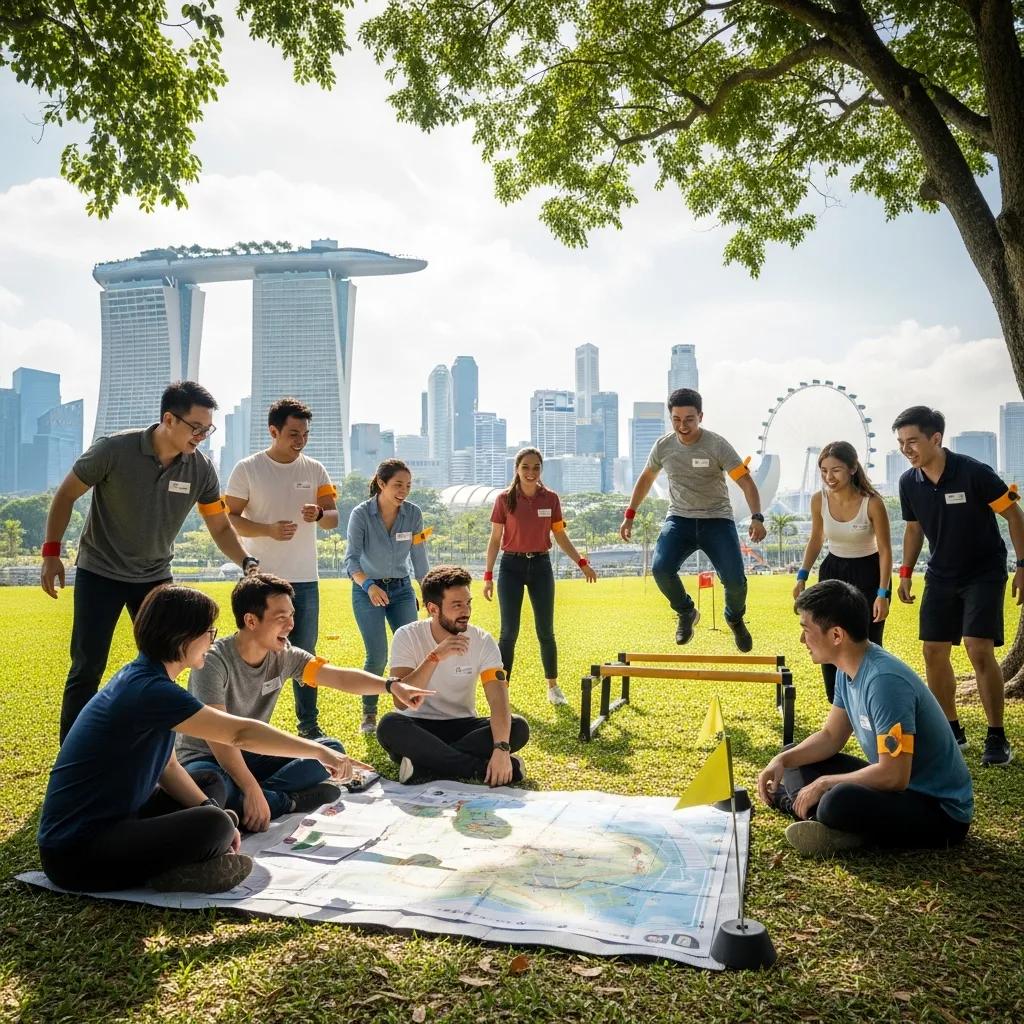
Incorporating effective team building activities can enhance collaboration and morale. Here are some popular ideas:
These activities not only strengthen team bonds but also create lasting memories.
Certain team building programs are particularly effective in fostering collaboration and leadership skills. Consider these options:
These programs can significantly enhance team dynamics and leadership capabilities. Learn more about our team building programs designed for corporate success.
Customizing team building activities to fit your corporate culture is essential for maximizing engagement. Here are some strategies:
Tailoring activities to your corporate culture can lead to more meaningful experiences and stronger team cohesion.
Effective budgeting and success measurement are crucial for corporate events. Here are some best practices:
By managing your budget effectively and measuring success, you can ensure that your corporate events deliver value.
When budgeting for corporate events in Singapore, consider these best practices:
Implementing these practices can help you stay on track financially while planning your event.
Measuring the success of your corporate event is essential for continuous improvement. Here are some effective methods:
By effectively measuring success and gathering feedback, you can enhance future corporate events.
Many organizations struggle with the logistics and execution of events, but with a structured approach, you can streamline the process and achieve your goals. For quality team building programs, consider exploring options that align with your company’s objectives.
A structured approach to planning a corporate event is crucial for success. The first step is to define clear objectives for your event, which will guide all subsequent decisions. Next, consider choosing a team building company that aligns with your goals. Selecting engaging activities that resonate with your audience is also essential. By following these steps, you can create a solid foundation for your event.
Certain team building programs are particularly effective in fostering collaboration and leadership skills. Consider these options:
It is recommended to book your corporate event venue and services at least 3 to 6 months in advance, especially for large groups or peak seasons. Early booking ensures availability of preferred venues and vendors, and allows ample time for event logistics Singapore and permit applications if needed.
The average cost per person for a corporate event in Singapore varies widely depending on the venue, catering, and activities chosen. Typically, costs range from SGD 100 to SGD 300 per person, including venue rental, catering, and basic event production. Premium venues and elaborate programs may increase this cost.
Yes, outdoor corporate events in Singapore generally require permits from the National Environment Agency (NEA) and approval from the Urban Redevelopment Authority (URA). These permits regulate noise levels, crowd control, and environmental impact to ensure compliance with local laws.
For large groups, venues such as Marina Bay Sands Expo and Convention Centre, Suntec Singapore Convention and Exhibition Centre, and Capella Singapore on Sentosa are excellent choices. These venues offer extensive space, modern facilities, and flexible configurations suitable for conferences, exhibitions, and large corporate functions.
Choosing between indoor and outdoor venues depends on your event objectives, weather considerations, and logistics. Indoor venues provide controlled environments ideal for formal events and hybrid event Singapore setups, while outdoor venues like East Coast Park or Gardens by the Bay offer scenic settings for casual or team building events. Consider permits, accessibility, and attendee comfort when deciding.
A comprehensive checklist should include venue sourcing Singapore, permits and approvals, catering arrangements (including halal options), audio-visual requirements, event logistics Singapore such as transportation and accessibility, budget tracking with GST considerations, and post-event feedback collection.
To boost engagement, incorporate interactive team building activities like scavenger hunts or adventure challenges, tailor programs to your corporate culture, and include elements of corporate entertainment Singapore. Utilizing local experiences and involving employees in planning can also enhance participation and satisfaction.
Leverage Adventour Singapore’s 16+ years of expertise and award-winning team building programs to create an unforgettable corporate function. Contact us today for a free consultation and let our experienced event planners Singapore help you design a seamless and impactful event.
Joshua Tay is the Director of AdvenTOUR Singapore, a corporate team-building company he has successfully led since 2007. With a career spanning back to 1996, Joshua brings three decades of hands-on experience designing and facilitating high-impact team-building programs, Corporate Social Responsibility (CSR) initiatives, and overseas corporate retreats for youth and corporate groups alike.
A former Singapore Armed Forces (SAF) officer, Joshua combines strategic leadership with rigorous safety standards. He is also a certified Instructor Trainer in scuba diving, first aid, and AED. Drawing from this wealth of operational and experiential expertise, Joshua personally writes and reviews all the team-building guides and resources published on this website to ensure they are practical, safe, and effective.
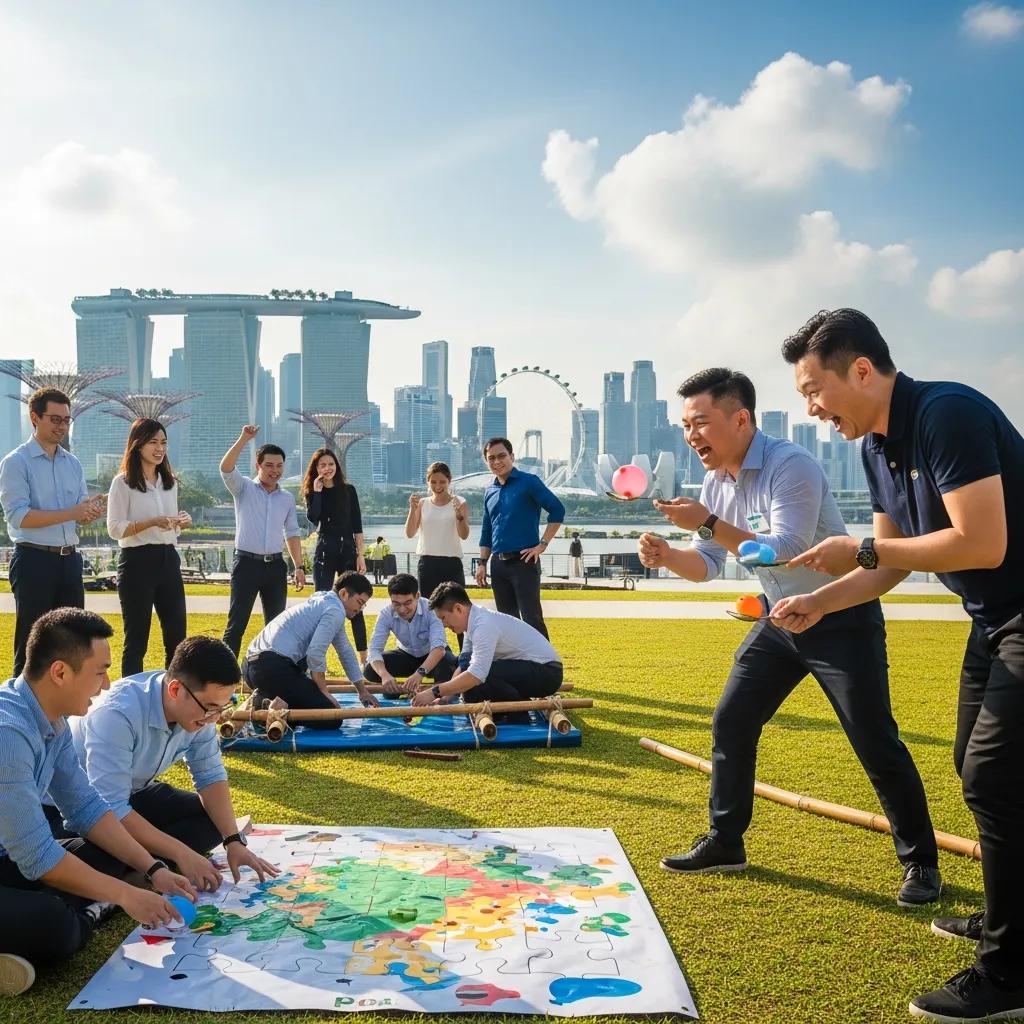
Corporate event planning is a multifaceted process that requires meticulous attention to detail and a strategic approach to ensure success. In Singapore, where the corporate landscape is vibrant and competitive, companies seek comprehensive solutions for their event management needs. This article explores how AdvenTOUR Singapore excels in end-to-end corporate event planning, from initial consultation to post-event evaluation. Readers will learn about the key stages involved in the planning process, how tailored events are conceptualized, and the logistics that ensure seamless execution. By understanding these elements, businesses can enhance their corporate gatherings and team-building activities, ultimately fostering employee engagement and satisfaction.
Indeed, the intricate nature of event planning often means that various elements must be managed concurrently rather than sequentially.
Event Planning: A Multifaceted Process
Event planning is not a linear process. One action does not necessarily or logically come after another. Some decisions are made simultaneously, while some must follow others.
The complete guide to successful event planning, 2011
AdvenTOUR’s corporate event planning process consists of several critical stages that ensure a successful outcome. These stages include:
These stages are essential for creating a cohesive and impactful event experience.

AdvenTOUR specializes in designing customized corporate events that reflect the unique identity and goals of each client. The process begins with collaboration, where the team engages with clients to understand their vision and objectives. This collaboration allows for the customization of activities that align with organizational goals, ensuring that every event is not only memorable but also meaningful. By focusing on the specific needs of the client, AdvenTOUR creates events that foster engagement and strengthen team dynamics.
For those seeking comprehensive event management, AdvenTOUR Singapore offers a range of services that cater to various corporate needs, ensuring a seamless experience from start to finish.
To guarantee a successful event, AdvenTOUR employs several processes that facilitate seamless execution and coordination. These processes include:
These processes are vital for ensuring that events run smoothly and meet client expectations.
AdvenTOUR’s approach to designing corporate team building programs is centered around understanding the specific dynamics of each team. The design process involves:
This tailored approach ensures that team building activities are not only enjoyable but also effective in enhancing team cohesion.
AdvenTOUR offers a variety of team building activities that are designed to enhance employee engagement. Some popular options include:
These activities are designed to strengthen relationships among team members while providing a break from the usual work environment.
Integrating team building programs into corporate events is essential for maximizing engagement and impact. AdvenTOUR ensures that these programs are seamlessly woven into the overall event agenda. This integration involves:
By effectively integrating team building into corporate events, AdvenTOUR helps organizations achieve their goals while fostering a positive work culture.
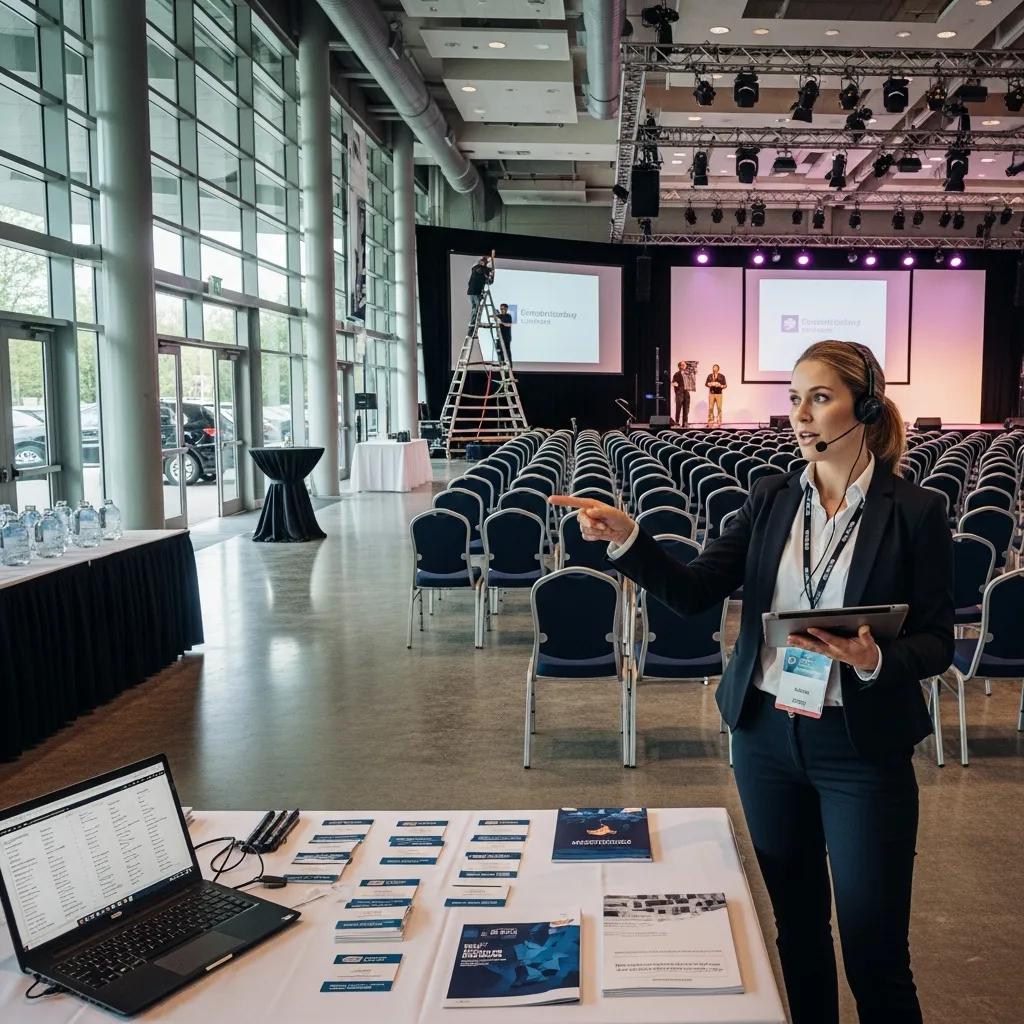
AdvenTOUR offers a comprehensive range of logistics and support services to ensure the success of corporate events. These services include:
These logistics services are crucial for creating a seamless event experience that meets client expectations.
| Service | Description | Impact |
|---|---|---|
| Venue Selection | Identifying suitable venues based on client needs | Ensures the right atmosphere for the event |
| Logistics Management | Coordinating all logistical aspects | Minimizes disruptions and enhances attendee experience |
| On-Site Coordination | Managing event execution on the day | Guarantees smooth operations and client satisfaction |
This table illustrates how AdvenTOUR’s logistics and support services contribute to successful corporate events.
AdvenTOUR employs a systematic approach to manage event logistics and on-site coordination. This includes:
This structured approach allows AdvenTOUR to effectively manage events, ensuring that all details are attended to and that clients can focus on their objectives.
To ensure smooth corporate event operations, AdvenTOUR implements several key solutions:
These solutions are designed to provide clients with peace of mind, knowing that their events are in capable hands.
Measuring the success of corporate events is essential for continuous improvement. AdvenTOUR utilizes various methods to evaluate event outcomes, including:
This evaluation process allows AdvenTOUR to refine its services and ensure that each event is better than the last.
Effective evaluation is crucial for refining future events and establishing industry benchmarks for success.
Event Evaluation & Best Practices
event impact evaluation leading to the development of industry standards for the completion of such research. Best practices were identified through a survey of event.
Pre-event and post-event evaluation criteria research, G Soutar, 2000
AdvenTOUR employs several feedback mechanisms to assess the impact of team building and corporate events. These mechanisms include:
These feedback mechanisms are crucial for understanding the effectiveness of events and making necessary improvements.
The outcomes of corporate events are analyzed to inform future planning and execution. AdvenTOUR focuses on:
This commitment to continuous improvement ensures that AdvenTOUR remains a leader in corporate event planning in Singapore.
To further enhance your corporate events, consider exploring “team building programs” that can foster stronger team dynamics and improve overall employee engagement.
Joshua Tay is the Director of AdvenTOUR Singapore, a corporate team-building company he has successfully led since 2007. With a career spanning back to 1996, Joshua brings three decades of hands-on experience designing and facilitating high-impact team-building programs, Corporate Social Responsibility (CSR) initiatives, and overseas corporate retreats for youth and corporate groups alike.
A former Singapore Armed Forces (SAF) officer, Joshua combines strategic leadership with rigorous safety standards. He is also a certified Instructor Trainer in scuba diving, first aid, and AED. Drawing from this wealth of operational and experiential expertise, Joshua personally writes and reviews all the team-building guides and resources published on this website to ensure they are practical, safe, and effective.
With over 20 years of experience and a proven track record, AdvenTour specializes in curating unique team building experiences in Singapore that foster teamwork, communication, and collaboration. Whether you're planning a small team bonding session or a large corporate retreat, we tailor every event to your goals and budget.