
Eco-Friendly Outdoor Activities for Nature Lovers
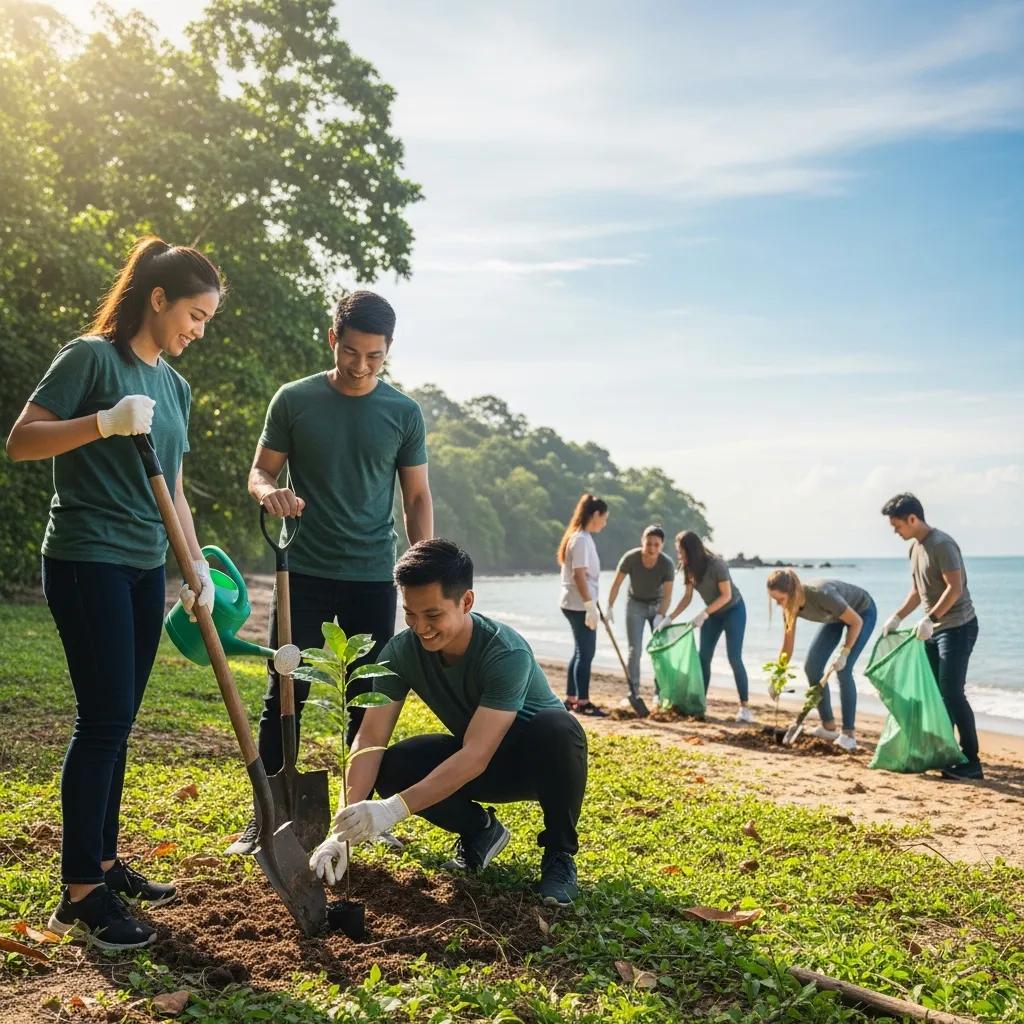
Eco-Friendly Outdoor Activities for Nature Lovers: Sustainable Team Building and Green Adventures
Eco-friendly team building blends outdoor adventure with measurable conservation outcomes to support employee engagement and corporate sustainability goals. This article shows nature-focused activity ideas, explains how conservation work strengthens teamwork and leadership, recommends Singapore locations suited to low-impact events, and offers practical steps to customise green programmes for corporate groups. Many organisations seek sustainable corporate retreats and green team challenges that reduce carbon footprints while delivering meaningful CSR results; this guide bridges inspirational ideas with actionable planning and measurable outcomes. You will find specific eco-friendly outdoor activities, conservation volunteering options with suggested metrics, local site considerations for Singapore, and a customisation checklist to align events with ESG priorities. Throughout, the content integrates practical vocabulary — from biodiversity engagement to carbon-neutral team activities — so planners can translate ideas into programs that boost morale, skills, and environmental impact.
What Are the Best Sustainable Outdoor Activities for Nature Lovers?
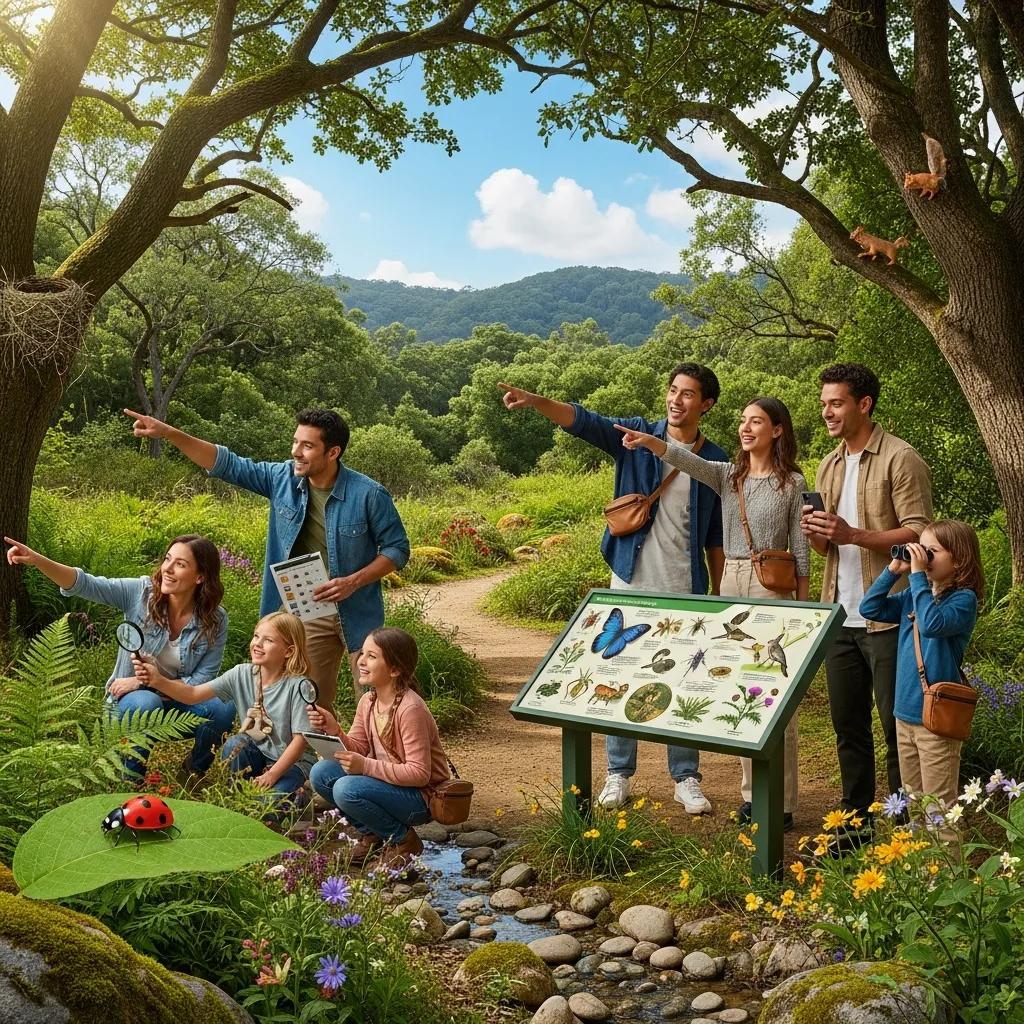
Sustainable outdoor activities for nature lovers combine low-impact adventure, biodiversity awareness, and community benefit to create memorable team experiences. These activities work by minimising waste and disturbance, using local partners, and incorporating education to change participant behaviour toward sustainability. The result is strengthened team cohesion, improved wellbeing, and clear environmental benefits such as reduced litter, increased native plantings, or enhanced habitat quality. Below is a concise list of high-impact, eco-conscious team activities that work well for corporate groups seeking environmental team building.
- Sustainable hiking team challenges that emphasise Leave No Trace practices and trail stewardship.
- Corporate beach cleanup events focused on marine debris removal and waste segregation for recycling.
- Nature-based scavenger hunts that educate teams about local biodiversity and ecosystem services.
- Tree planting and habitat restoration sessions with simple monitoring metrics for survival rates.
These activity types balance adventure and conservation, providing measurable outcomes while keeping participant impact low and engagement high.
Intro to comparison table: The table below compares common eco-friendly activities by their primary environmental attribute and typical team-building outcome to help planners choose the right option.
| Activity | Environmental Attribute | Team Outcome |
|---|---|---|
| Sustainable Hiking Challenge | Trail stewardship, minimal-impact practices | Communication and navigation skills |
| Beach Cleanup | Marine debris removal, waste segregation | Shared purpose and collective effort |
| Nature Scavenger Hunt | Biodiversity education, citizen science | Observation and problem-solving |
| Tree Planting | Habitat restoration, carbon sequestration | Long-term commitment and stewardship |
This comparison highlights how each activity links a clear sustainability attribute to a practical team outcome, helping organisers match objectives to experiences.
Which Eco-Friendly Team Building Ideas Promote Environmental Conservation?
Conservation-focused team building emphasises activities with direct, measurable environmental outcomes such as kilograms of waste removed or number of native trees planted. Beach cleanups provide immediate visible impact through debris collection and proper disposal, while tree planting contributes to local canopy and carbon sequestration when paired with follow-up monitoring. Habitat restoration or invasive species removal can show progress via simple metrics like area restored or volunteer hours contributed. Framing these activities as CSR outcomes helps companies document volunteer hours, quantify materials removed or planted, and report tangible benefits to stakeholders.
These conservation initiatives also create narratives for internal communication and external reporting, linking employee effort to corporate sustainability targets and building pride in measurable environmental contributions.
How Do Green Outdoor Adventures Support Nature and Sustainability?
Green outdoor adventures support sustainability by educating participants about ecosystems, modelling low-impact behaviour, and choosing local venues to reduce travel emissions. Educational elements — short briefs, species ID, or local ecology talks — lead to greater environmental awareness and behaviour change after the event. Operationally, adhering to waste segregation practices, using reusable equipment, and partnering with local conservation organisations reduces the event’s footprint. Over time, these practices translate into improved corporate environmental habits and reinforced ESG commitments among employees.
By combining adventure with instruction and measurable conservation practices, green activities shift individual behaviours and create long-term support for biodiversity and sustainable tourism principles.
Sustainable Corporate Team Building Through Green Adventures
Nature conservation activities enhance corporate team building by providing contextual tasks that require collaboration, shared responsibility, and problem-solving under real-world constraints. Conservation work asks teams to coordinate logistics, adapt to changing conditions, and make collective decisions, which maps directly to leadership and teamwork competencies. The practical benefits include improved communication, clarified roles, and strengthened trust as teams accomplish visible environmental outcomes. Below is a brief list of key benefits that conservation-focused events typically deliver for corporate teams.
- Stronger Collaboration: Teams coordinate tasks and resources while working toward a shared conservation goal.
- Leadership Development: Individuals step into leadership roles during planning, on-site direction, and issue resolution.
- Enhanced Purpose: Connecting tasks to local environmental impact increases motivation and sustained engagement.
These benefits align with CSR and ESG indicators and make conservation activities a strategic choice for team development and corporate reporting.
Intro to CSR mapping table: The following table links common conservation activities to CSR metric impact and typical logistics to help decision-makers plan scalable programs.
| Conservation Activity | CSR Metric Impact | Typical Group Size / Timeframe |
|---|---|---|
| Beach Cleanup | Kilograms of waste removed; volunteer hours | 10–50 people / 2–4 hours |
| Tree Planting | Number of trees planted; survival rate | 15–60 people / half-day |
| Habitat Restoration | Area restored; biodiversity monitoring | 10–30 people / half-day to full day |
This mapping clarifies how volunteering options translate to CSR metrics and operational needs, enabling planners to select activities that fit objectives and schedules.
For companies wanting professional support, Adventour Singapore specialises in curating tailored conservation-integrated team experiences and CSR programs that align with corporate goals. Adventour can adapt popular formats like eco-adapted Dragon Boat or Amazing Race-style challenges to emphasise sustainability and measurable impact, offering structured workshops that balance engagement with environmental outcomes.
Where Are the Top Locations for Eco-Friendly Outdoor Activities in Singapore?
Singapore offers diverse natural and urban green spaces suitable for eco-friendly activities, each selected for accessibility, biodiversity interest, and infrastructure to support groups. Natural reserves and coastal areas provide settings for hiking, birdwatching, and coastal cleanups, while urban parks, community gardens, and waterfront promenades are ideal for nature scavenger hunts and urban greening challenges. Choosing nearby sites reduces travel emissions and improves participation rates, while site selection should consider permits, group size limits, and Leave No Trace requirements.
- Natural reserves with trail networks and biodiversity interest for sustainable hikes and interpretive learning.
- Coastal and beach areas suited for marine debris removal and citizen science monitoring.
- Urban parks and community gardens ideal for stewardship activities and community-engaged challenges.
Selecting the right site depends on objectives: conservation impact favors coastal and restoration sites, while team skills and accessibility are well-served in urban green spaces.
Adventour Singapore can organise events at or near these locations and customise formats to match corporate ESG goals, providing proposals that balance logistics, sustainability practices, and measurable outcomes upon request.
Which Natural Sites Support Sustainable Hiking and Exploration?
Sustainable hiking works best on trails with clear route markers, durable surfaces, and biodiversity value that reward observation and learning. These sites should support group movement without causing erosion or habitat disturbance, and they ideally offer facilities for safe access and minimal-impact breaks. Organisers should emphasise Leave No Trace principles, carry lightweight gear, and plan routes that match group fitness and accessibility needs. Small-group formats with split-route challenges help maintain low impact while providing meaningful learning about local ecosystems.
Preparation and briefings before hikes reinforce conservation goals and ensure participants leave with improved ecological awareness and practical stewardship behaviours.
What Urban Green Spaces Offer Eco-Conscious Team Challenges?
Urban green spaces such as parks, promenades, and community gardens are ideal for scalable eco-challenges that reduce travel-related emissions and engage local communities. Formats include eco scavenger hunts that highlight native plants, pop-up urban gardening where teams learn planting techniques, and community cleanups that pair volunteers with local groups. These activities foster local stewardship and can incorporate waste segregation and recycling stations to model sustainable event operations. Urban formats also facilitate corporate reporting by making logistics and impact measurement straightforward.
Using urban sites supports accessibility, encourages repeat engagements, and connects corporate teams directly with neighbourhood conservation efforts.
How Can You Customize Eco-Friendly Outdoor Activities for Your Team?
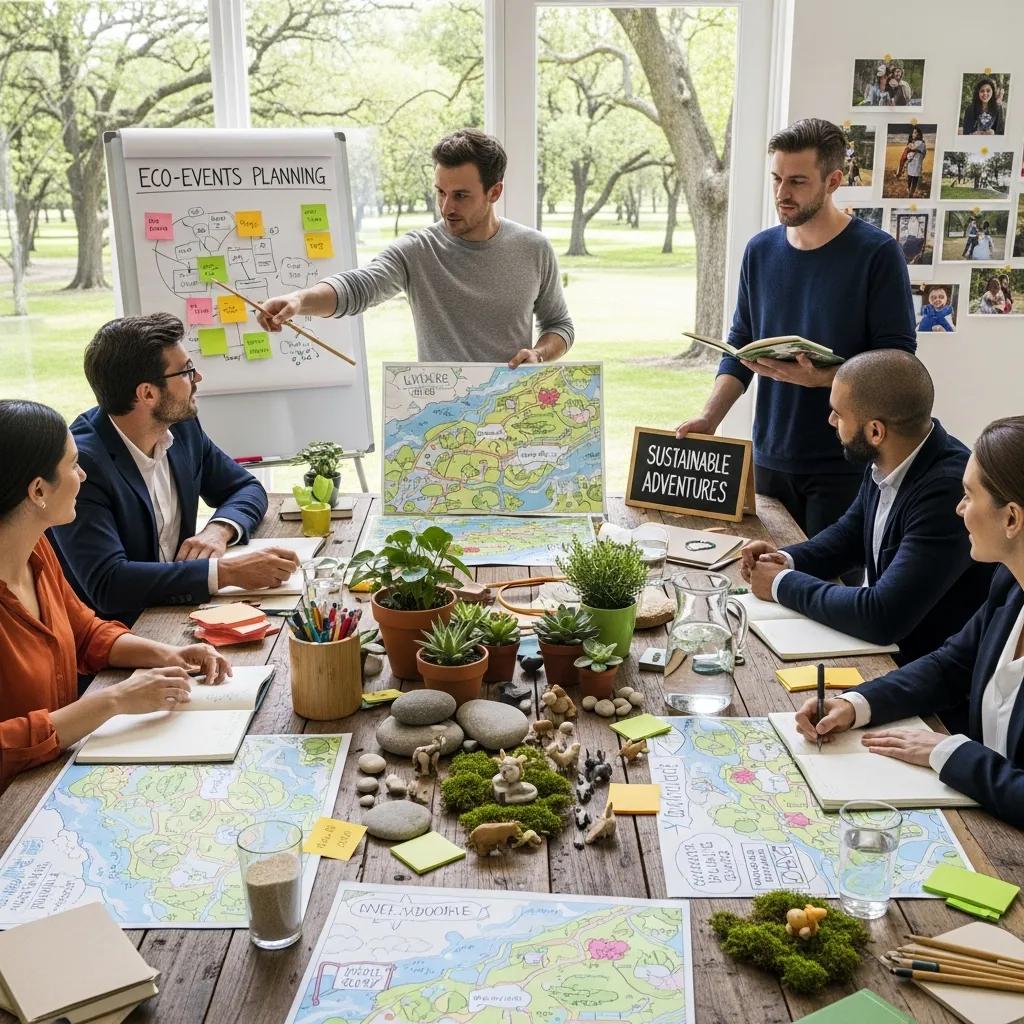
Customising eco-friendly activities begins with clarifying objectives, measuring desired CSR outcomes, and assessing budget, accessibility, and group size to select suitable formats. Start by defining primary goals (team skills vs. measurable conservation), choose metrics (volunteer hours, kg waste removed, trees planted), and pick partners to support follow-up monitoring. Tailoring includes adapting challenge difficulty, embedding educational modules, and providing post-event reporting to record ESG outcomes. The checklist below offers a stepwise approach to building a customised programme.
- Define objectives and KPIs: Choose specific CSR metrics and team competencies to target.
- Assess logistics: Confirm group size, accessibility needs, and site permissions.
- Select activity formats: Match objectives to activities (cleanup, planting, scavenger hunts).
- Plan measurement and reporting: Establish simple data collection for impact tracking.
Custom programmes yield higher engagement and clearer reporting; for bespoke proposals, Adventour Singapore offers custom planning aligned with corporate CSR priorities and can deliver tailored event proposals that measure impact and engagement.
What Are the Benefits of Tailored Green Team Building Experiences?
Tailored green experiences align activities with company values and measurable outcomes, increasing relevance and participant buy-in while supporting ESG reporting. Customisation allows teams to focus on leadership competencies or community impact, incorporate accessibility accommodations, and set realistic monitoring protocols for post-event evaluation.
Measurable reporting of volunteer hours, materials processed, or trees planted turns an activity into a verifiable CSR contribution. Tailored programmes therefore strengthen internal engagement and external accountability simultaneously.
How Does Integrating CSR Initiatives Amplify Eco-Friendly Events?
Integrating CSR initiatives amplifies event value by linking volunteer actions to broader corporate sustainability goals, improving reputation, and providing tangible KPIs for stakeholders. Examples include partnering with community groups for habitat restoration and including impact statements in CSR reports using KPIs like volunteer hours, waste collected, and plant survival rates. These integrations increase employee morale, create external goodwill, and deliver measurable environmental results that support long-term ESG tracking. Short-term team wins thus convert into longer-term organisational commitments to biodiversity conservation and sustainable tourism principles.
By embedding CSR into design and reporting, eco-friendly team activities become strategic investments in people and the planet.

Joshua Tay is the Director of AdvenTOUR Singapore, a corporate team-building company he has successfully led since 2007. With a career spanning back to 1996, Joshua brings three decades of hands-on experience designing and facilitating high-impact team-building programs, Corporate Social Responsibility (CSR) initiatives, and overseas corporate retreats for youth and corporate groups alike.
A former Singapore Armed Forces (SAF) officer, Joshua combines strategic leadership with rigorous safety standards. He is also a certified Instructor Trainer in scuba diving, first aid, and AED. Drawing from this wealth of operational and experiential expertise, Joshua personally writes and reviews all the team-building guides and resources published on this website to ensure they are practical, safe, and effective.
About AdvenTOUR
With over 20 years of experience and a proven track record, AdvenTour specializes in curating unique team building experiences in Singapore that foster teamwork, communication, and collaboration. Whether you're planning a small team bonding session or a large corporate retreat, we tailor every event to your goals and budget.
Quick Links
Informative Blogs
Contact Us
Call or Whatsapp:
(65) 8915 4522
Email:
info@adventour.com.sg