
Implementing an ESG Team Building Framework for Singapore
By Josh Tay, Adventour Singapore
Josh Tay is a certified ESG strategist and sustainability consultant with over 15 years of experience in corporate social responsibility and team building initiatives across Singapore. Holding professional certifications in Environmental Management and Corporate Governance, Josh has successfully guided numerous organizations in integrating ESG principles into their culture and operations, making him a leading expert in sustainable corporate development in the region.
The integration of Environmental, Social, and Governance (ESG) principles within corporate team building is crucial for fostering a culture of sustainability in organizations. Businesses today face pressing challenges related to corporate social responsibility (CSR), needing to align their corporate strategies with sustainable practices. This article provides an in-depth exploration of the ESG and sustainable corporate team building framework, outlining key strategies, best practices, and the significant impact these practices have on team dynamics and overall organizational effectiveness. Readers will discover actionable insights into how adopting ESG principles can enhance team engagement, improve leadership development, and facilitate stronger community ties within Singapore’s corporate landscape.
In the following sections, we will dive into strategies for CSR team building, review best practices, explore potential challenges, and discuss how ESG and CSR can collectively elevate team building efforts.
Strategies for CSR Team Building
To implement effective CSR in team building, organizations must engage in several strategies that align activities with their core values and missions. One of the primary approaches is ensuring that CSR initiatives resonate with the employees’ personal values, fostering genuine commitment. Collaboration with local communities can enhance the authenticity of these initiatives, enabling teams to contribute meaningfully to their social environment. Engaging employees in the planning process also ensures that team activities reflect their interests, increasing participation and satisfaction.
Collaborative CSR efforts not only strengthen team cohesion but also enhance the overall corporate image, driving further engagement among stakeholders. The strategic implementation of these varied approaches builds a solid foundation for sustained CSR efforts, propelling organizations toward long-term success.
Best Practices
Enhancing CSR initiatives within a corporate framework involves several best practices. Key among them is establishing clear, measurable objectives for CSR programs. This clarity ensures that all team members are aligned with the goals and understand their roles in achieving them. Furthermore, it is critical to measure the impact of these initiatives effectively. Regular assessments allow organizations to adjust their strategies as needed, ensuring continuous improvement.
Another essential practice is communication. Widely sharing the successes of CSR programs fosters an internal culture of pride and encourages further participation. By publicizing both the goals and achievements of CSR activities, organizations can motivate teams to engage more deeply in future efforts.
Potential Challenges
Despite the advantages of integrating CSR into team building, organizations often face challenges in implementation. One common obstacle is the allocation of resources necessary for effective CSR initiatives. Balancing these initiatives with core business operations can be demanding, particularly for smaller organizations. Another challenge is maintaining high employee engagement; ensuring employees feel personally connected to CSR efforts requires ongoing effort.
Additionally, organizations must navigate the complexities of aligning CSR activities with overarching business goals. Balancing profitability with social responsibility can lead to tensions if not managed properly, necessitating a thoughtful approach to strategy and communication.
What is the role of ESG and CSR in corporate team building?
The integration of ESG and CSR into corporate team building serves to improve team dynamics through shared objectives and values. By aligning teams around specific environmental and social goals, organizations build stronger connections among employees, enhancing collaboration and morale. Purpose-driven work fosters deeper employee engagement, which is critical for maintaining high performance and job satisfaction.
Moreover, a strong commitment to ESG and CSR principles strengthens organizational culture, as teams start to view their work not just as a job, but as a purposeful contribution to society. This change in perspective is vital for modern businesses that aim to attract and retain top talent, making it an essential focus for overall organizational success.
Defining ESG and CSR concepts relevant to Singapore corporations
In the Singaporean context, ESG and CSR take on unique dimensions that are deeply rooted in local culture and business practices. ESG refers to the three central factors used to measure the sustainability and societal impact of investments in companies. Organizations in Singapore increasingly recognize the importance of meeting these criteria to remain competitive and appeal to socially conscious investors. CSR, on the other hand, represents the broader spectrum of an organization’s responsibility towards society, which includes philanthropic efforts, community engagement, and sustainable business practices.
Understanding these concepts is essential for Singaporean corporations that seek to enhance their reputation not only as market leaders but also as responsible corporate citizens. This alignment with local customs and expectations further fortifies their commitment to sustainable practices in the community.
How ESG principles enhance team engagement and leadership development
ESG principles foster team engagement by aligning projects with broader social initiatives, creating a sense of purpose among employees. When teams work on projects that contribute positively to the community—such as environmental conservation efforts or social outreach—they feel a greater connection to their work. This synergy enhances collaboration and drives leadership development as employees take the lead on various initiatives, learning valuable skills along the way.
Such environments encourage resilience and innovation as teams brainstorm and navigate challenges while driving ESG-aligned projects. The personal and professional growth experienced through these activities translates directly into improved performance when teams are more committed to their collective goals. Consequently, cultivating these attributes through ESG-centered activities builds a stronger foundation for future leaders.
Aligning HR strategies with these broader ESG goals is key to sustained organizational growth and a resilient workforce.
Integrating ESG Principles in HR Strategy for Future-Ready Workforces
This conceptual chapter delves into the transformative potential of integrating environmental, social, and governance (ESG) principles into human resources (HR) strategy for shaping the future of work. With increasing environmental concerns, societal expectations, and governance reforms in Asia, ESG metrics have become critical for investors and stakeholders. Proactively incorporating ESG principles into HR strategies allows organizations to navigate regulatory changes, enhance resilience, and align with contemporary values. The chapter explores how ESG integration impacts talent acquisition, retention, employee engagement, and corporate culture while addressing challenges in implementing ESG-focused HR strategies. Shaping the Future of Work: Leveraging Environmental, Social, and Governance (ESG) as a Strategic Human Resource Strategy: Cluster of Future Studies: Corporate������������������������������, JY Yong, 2025
Which sustainable corporate events best align with ESG goals?
Several corporate events can align effectively with ESG objectives and reinforce the organization’s commitment to sustainability. Examples include:
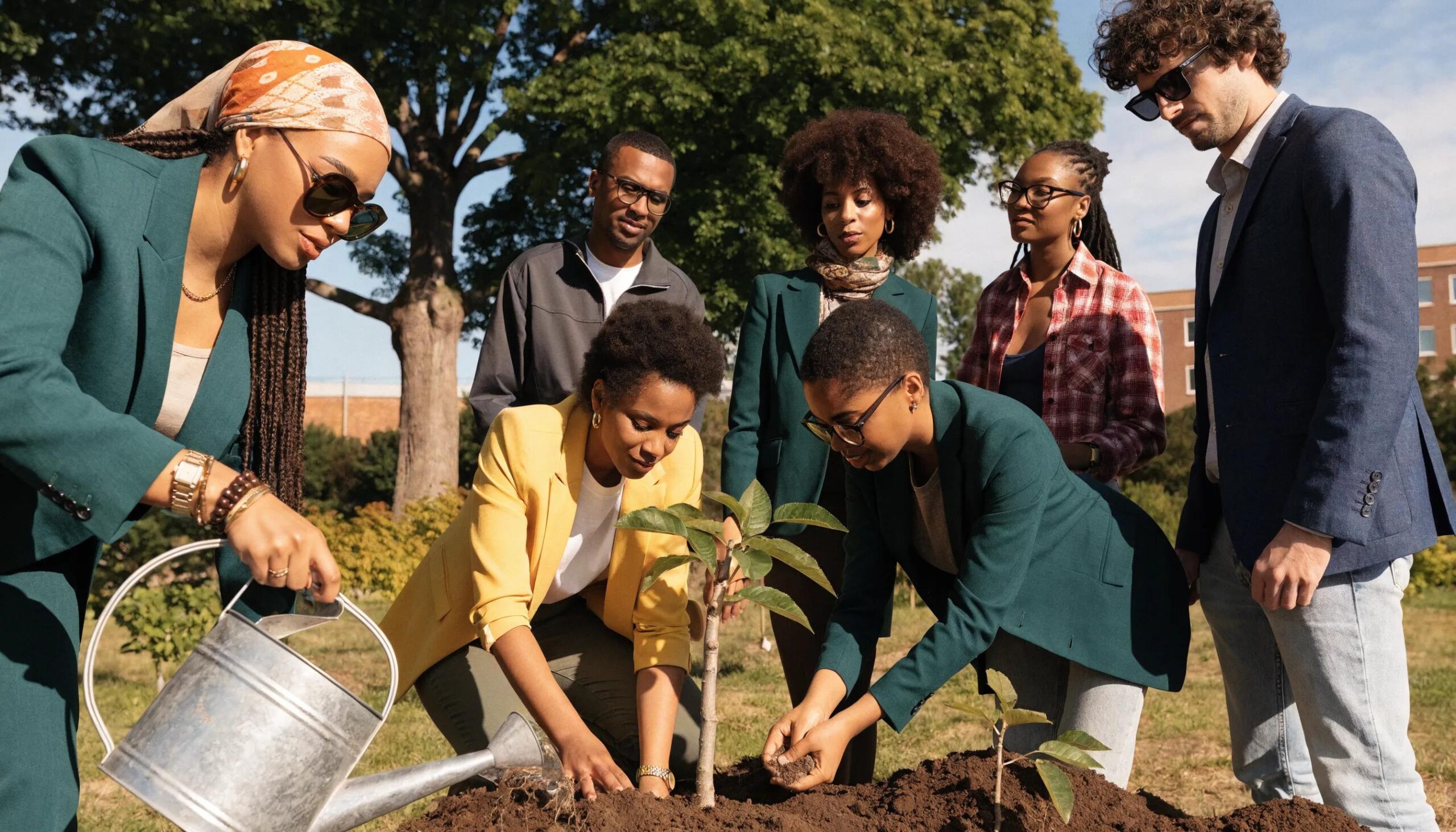
- Tree Planting Initiatives: Organizing team outings for tree planting actively contributes to environmental restoration and helps teams bond over a shared, impactful experience.
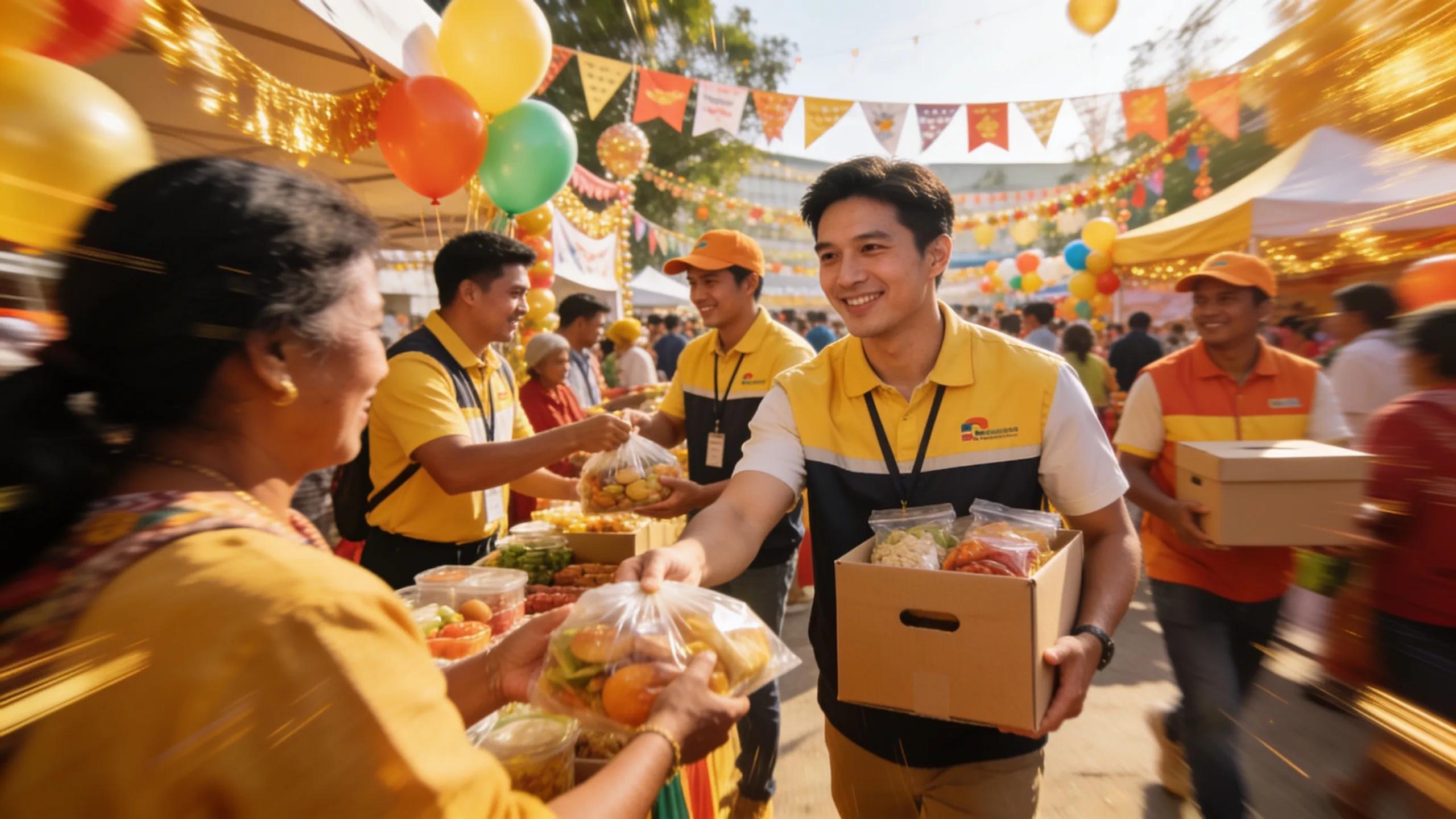
- Charity Fundraising Events: By hosting events to raise funds for local charities, companies can enhance their community engagement while allowing teams to connect through philanthropy.
- Environmental Workshops: Facilitating workshops focused on sustainable practices can educate employees on their environmental impact and motivate them to adopt sustainable habits in both their work and personal lives.
These events not only fulfill ESG objectives but also cultivate a sense of shared responsibility amongst team members, fostering a stronger corporate culture focused on sustainability.
Examples of green corporate team building activities and eco-friendly workshops

Implementing green team-building activities can greatly enhance team cohesion while contributing positively to the environment. Some effective examples include:
- Hands-on Volunteering Activities: Engaging in community service projects, such as beach clean-ups or food drives, allows team members to directly contribute to societal well-being while working together.
- Eco-Friendly Workshops: Organizing workshops that teach sustainable practices0like recycling techniques or solar energy applications0can equip teams with knowledge to implement in their daily routines.
- Nature Hikes: Team-building nature hikes not only promote physical wellness but also foster appreciation for the environment, reinforcing a shared commitment to sustainability.
Through these activities, organizations can weave environmental initiatives into the fabric of their team dynamics, thereby enhancing both engagement and responsibility.
How to integrate environmental and social responsibility into team events
To seamlessly integrate environmental and social responsibility into team events, organizations should consider a few key strategies. Choosing environmentally friendly activities, such as using biodegradable materials or selecting local venues, reflects a commitment to sustainability. Including input from employees during the event planning phase ensures that the activities resonate well with their values and interests, increasing participation rates.
Engagement in CSR initiatives should also be structured into the team’s goals. Providing incentives for participation can boost involvement, while feedback mechanisms post-event allow teams to reflect on their experiences and outcomes. Thus, incorporating these elements naturally motivates employees to engage in CSR activities, thereby fostering a culture of responsibility.
How to design impactful ESG workshops and measure sustainability outcomes?
Designing impactful ESG workshops requires clarity in objectives and an understanding of participant backgrounds. The first step is identifying key performance indicators (KPIs) that measure the engagement and effectiveness of workshops, such as attendance rates, participant feedback, and subsequent actions taken towards sustainability initiatives.
Employing structured frameworks helps ensure that both social and environmental impacts of these workshops are effectively monitored. Incorporating participant feedback not only enhances future workshop designs but also deepens connections among team members as they share their experiences and learnings. Engaging relevant experts can also provide additional value and credibility to workshops, ensuring that participants gain insightful knowledge and actionable skills.
Key performance indicators for evaluating sustainable team building success
Evaluating the success of sustainable team building activities necessitates clear KPIs that focus on both engagement and impact. Some essential metrics include:
- Employee Engagement Scores: Gauging team members’ levels of involvement and satisfaction can provide insights into the effectiveness of CSR initiatives.
- Collaboration Index: Measuring the frequency and quality of cross-departmental collaboration during sustainability projects can indicate success in promoting teamwork.
- Productivity Metrics: Analyzing performance levels post-engagement activities can showcase tangible benefits experienced by the teams involved.
By consistently monitoring these KPIs, organizations can refine their approaches and drive continuous improvement in their CSR initiatives.
Tools and frameworks for measuring social and environmental impact in events
Utilizing effective tools and frameworks for measuring the social and environmental impact of events is crucial for sustainability assessment. Tools such as:
- Digital Event Management Software: These platforms streamline planning and provide data on resource consumption, helping organizations minimize waste and optimize logistics.
- Feedback Surveys: Collecting participant insights post-event allows companies to evaluate success and identify areas for improvement in future CSR initiatives.
- Sustainability Reporting Frameworks: Employing frameworks like the Global Reporting Initiative (GRI) can enhance the transparency of sustainability efforts, ensuring accountability and continuous enhancement.
These tools empower organizations to meet their ESG goals effectively while maintaining a focus on sustainable practices.
What are successful case studies of sustainable team building in Singapore?
Several successful case studies highlight the positive impact of sustainable team building initiatives in Singapore. Companies that actively engage in CSR have observed measurable ESG enhancements, with improved employee satisfaction and community feedback.
AdvenTOUR’s corporate sustainability events driving measurable ESG results
AdvenTOUR Singapore has shown remarkable success in executing corporate sustainability events that yield measurable impacts. By implementing tailored activities focused on community engagement and environmental stewardship, AdvenTOUR has achieved significant metrics, such as increased engagement scores and positive participant testimonials. These initiatives align closely with Singapore’s ESG goals, promoting both corporate responsibility and organizational improvement.
Singtel’s Green Team Initiative
Singtel’s Green Team program successfully engaged over 300 employees across divisions to participate in sustainability activities throughout 2023. The program resulted in the planting of over 2,000 trees in community parks, diverted nearly 15 tonnes of waste from landfill through recycling drives, and accumulated over 1,200 community service hours. These quantifiable outcomes demonstrated significant environmental and social impact, while fostering strong team bonding and engagement.
DBS Bank’s CSR Volunteer Day
DBS Bank conducted an annual CSR Volunteer Day involving more than 500 employees participating in various community outreach programs. In 2023, teams contributed over 2,500 hours towards social welfare initiatives, including elderly care and educational support for underprivileged children. The event not only enhanced the bank’s social footprint but also strengthened leadership and teamwork skills among employees.
Lessons learned from Singapore companies in green team development programs
Many Singaporean companies have gleaned key lessons from their experiences in green team development programs. Challenges such as resource allocation necessitate innovative thinking and collaboration, emphasizing the importance of engaging employees from the outset. Companies that prioritize employee input often witness higher levels of participation in CSR initiatives, leading to more effective outcomes. Embracing diverse approaches and remaining flexible in strategy can pave the way for sustainable success in team building efforts.
Frequently Asked Questions
What are the benefits of integrating ESG principles in corporate team building?
Integrating ESG principles enhances team engagement, fosters a shared sense of purpose, improves leadership development, and strengthens organizational culture by aligning teams around sustainability goals.
How can companies measure the success of their sustainable team building activities?
Success can be measured using key performance indicators such as employee engagement scores, collaboration indices, productivity metrics, participant feedback, and environmental impact data like waste diverted or trees planted.
What types of corporate events best support ESG goals in Singapore?
Events such as tree planting initiatives, charity fundraising, environmental workshops, and community volunteering activities effectively support ESG goals by promoting environmental stewardship and social engagement.
How can organizations ensure employee participation in CSR-focused team building?
Organizations can increase participation by involving employees in planning, aligning activities with their values, providing incentives, communicating goals and successes clearly, and incorporating feedback mechanisms post-event.