By Joshua Tay
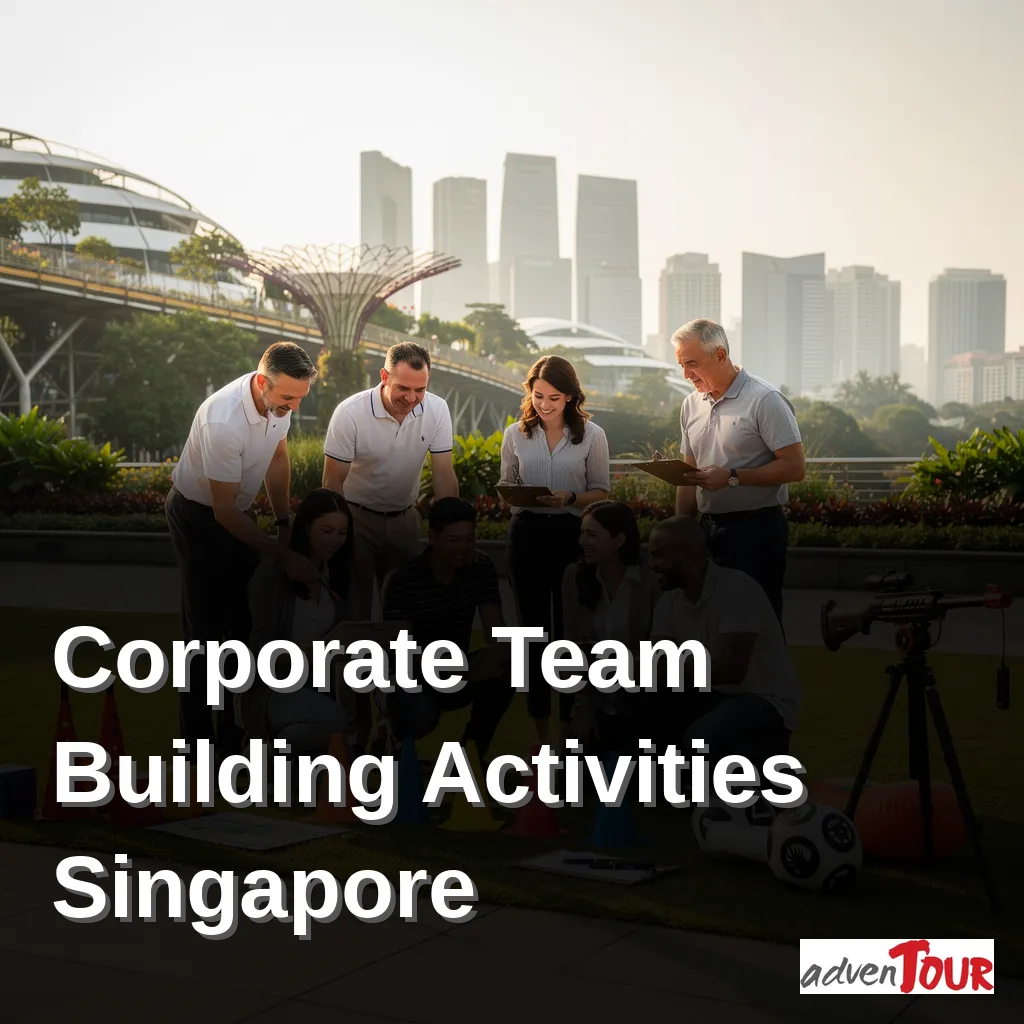
Successful team building events in Singapore combine structured challenges with measurable outcomes, like Adventour Singapore’s laser tag corporate events, which pair immersive gameplay with clear objectives for teamwork and communication. Tailored, effective team building programs matched to your team’s size and dynamic, professional facilitation, and thorough planning turn a one-off outing into lasting workplace cohesion.
Key Takeaways
- Strong workplace connections enable employees to speak openly and collaborate more effectively together.
- Team building activities strengthen workplace relationships and develop greater warmth among team members.
- Open communication from team building events directly improves collaborative work performance outcomes.
- Strong internal connections create environments where employees feel comfortable sharing ideas freely.
Why Do Team Building Events Matter Now?
Team-building events now play a crucial role in shaping a positive workplace culture across Singapore offices. Hybrid schedules have scattered colleagues across home desks, satellite offices, and co-working spaces, leaving fewer chances for organic connection. Skip structured bonding time and you risk watching departments drift into silos, communication gaps, and slower decision-making. Singapore organizations increasingly treat corporate team building activities Singapore teams can rely on as a direct answer to that risk.
The shift toward hybrid and remote arrangements has made structured connection essential rather than optional. Without it, trust between departments erodes quietly, often before leadership notices the impact on delivery timelines. Companies operating in Singapore now recognize that strong teamwork underpins productivity, creativity, and long-term business success, not just morale surveys.
What Happens When Companies Skip Team Building?
Skipping team building doesn’t cause an immediate crisis. Instead, it shows up gradually: slower cross-team collaboration, weaker onboarding for new hires, and employees who feel disconnected from company goals. Over time, these gaps compound into higher turnover risk and diminished creative output.
Why Does Hybrid Work Make Team Building More Urgent?
Hybrid arrangements remove the daily hallway conversations that used to build familiarity automatically. You now need deliberate programming to replace what proximity once provided for free.
Here’s what structured bonding delivers when designed well:
- Rebuilt trust between remote and in-office employees
- Sharper communication across departments
- Higher retention through stronger workplace belonging
AdvenTOUR brings over 18 years of experience curating team building experiences in Singapore, designed specifically to foster teamwork, communication, and collaboration for organizations navigating exactly these hybrid-era pressures.
What Makes An Activity Actually Build Teams?
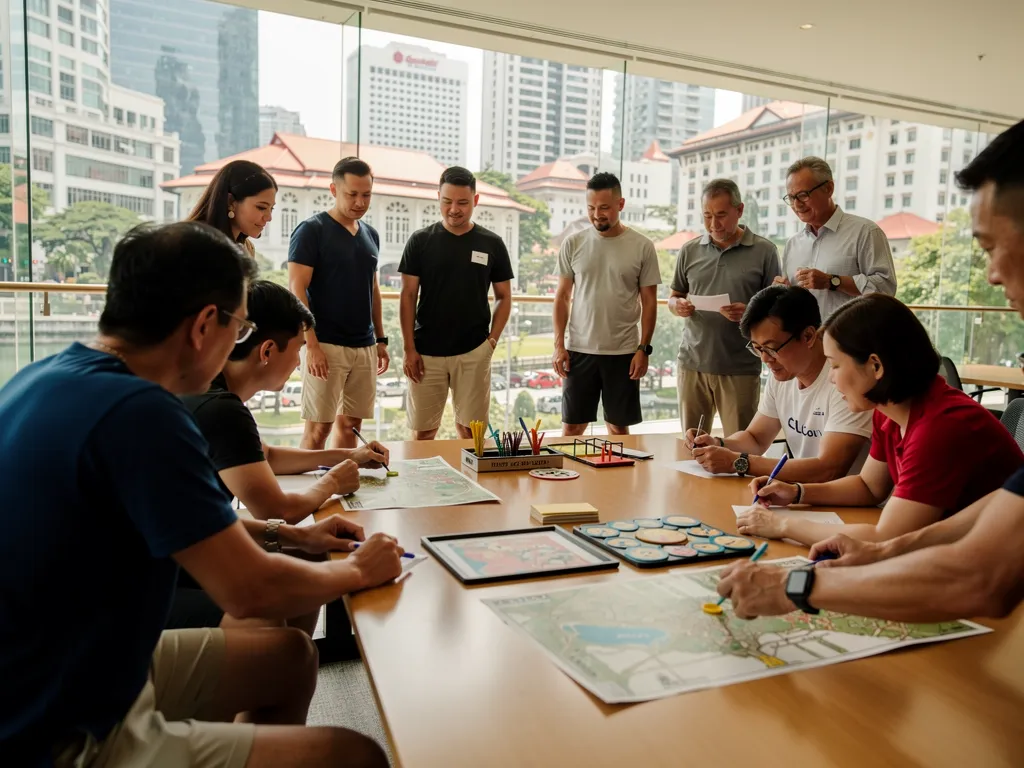
Structured challenge paired with real stakes builds teamwork, not novelty alone. Corporate Team Building Activities Singapore work when they combine thrilling gameplay with structured problems that force teamwork, communication, and morale to improve together. Skip the challenge and you get an outing. Skip the fun and you get a workshop nobody remembers.
Fast-moving scenarios matter most. When you place employees in situations demanding quick decisions and mutual support, something shifts. Colleagues who rarely speak in meetings start relying on each other within minutes. That reliance, tested under mild pressure, is what genuine team cohesion looks like on the ground.
Why does communication matter more than the activity itself?
Clear communication sits at the center of any effective session, whether you’re running a laser tag match in a Singapore venue or a structured problem-solving challenge. Participants need standard callouts and nonverbal cues to share information and coordinate movement in real time. That habit doesn’t stay on the field. It follows employees back to their desks, where faster, clearer exchanges translate into daily workplace coordination.
What outcomes should you actually expect?
Look past the fun factor and evaluate outcomes you can measure:
- Faster problem-solving under time pressure
- Higher trust between colleagues who rarely collaborate directly
- Stronger day-to-day communication habits
- A more cohesive workplace culture over time
Employees who communicate well and trust one another collaborate more effectively, solve problems faster, and strengthen the broader culture around them. That’s the standard worth applying before you book any session for your Singapore team, not just whether the activity looks exciting on a brochure.
Which Activity Formats Work Best For Singapore Teams?
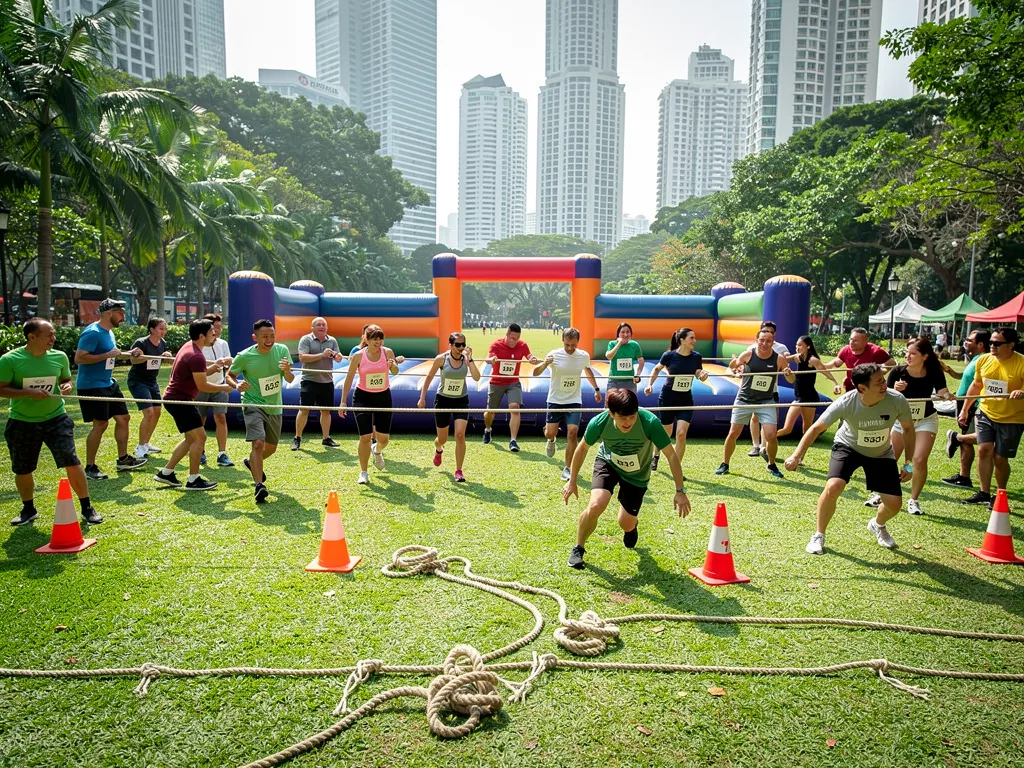
Three formats consistently deliver results for organizations across Singapore: sports days, outdoor adventure races, and structured learning workshops. Each format targets a different outcome, so matching the activity to your goal protects your budget and your team’s time. Choosing the wrong format wastes a full day and leaves employees more disengaged than before the event. As a general guide, group sizes between 30 and 120 pax tend to deliver the most effective results, large enough to generate energy and friendly competition, yet small enough to keep every participant genuinely engaged.
Corporate Team Building Activities Singapore organizers plan tend to fall into these categories, reflecting the range of team building programs for companies of different sizes and goals. Sports day formats bring field games, track events, and custom Olympic-style challenges built for larger corporate groups. This format suits companies with 50 or more employees who want high-energy competition without complicated logistics. Outdoor adventure races, by contrast, demand tighter teamwork. Colleagues rely on logic and quick decision-making under time pressure as they navigate checkpoints across Singapore’s urban and natural landscapes.
What’s the best team building format for a large workforce?
Sports day formats handle scale best. A corporate sports day Singapore event brings field games and track events that accommodate large groups without sacrificing energy or participation, making this the practical choice when headcount runs high.
Which format builds problem-solving skills fastest?
Amazing Race style adventures sharpen problem-solving quickest. Outdoor adventure races Singapore events test navigation and strategy across Singapore’s urban and natural landscapes, pushing teams to think on their feet.
Use this quick reference to match format with outcome:
Workshops round out the picture. Leadership, communication, and soft-skills training happen through experiential exercises rather than lectures, giving managers tools they actually retain.
Example Programs By Format
Here’s a sample of specific programs within each format, so you can gauge scope and budget before committing.
How Should Planners Structure The Full Event?
Structuring a full corporate event starts with a single coordinating partner who manages every stage, from concept to close, following team building guidelines that keep each phase accountable. Successful corporate team building activities in Singapore follow a clear sequence: strategic planning, logistics handoff, program execution, and post-event wrap-up. Skipping any stage forces your HR team to patch gaps mid-event, draining hours you don’t have.
Begin with brainstorming. A dedicated event partner works alongside you from the first concept meeting through on-site delivery, coordinating every detail so nothing slips as the date approaches.
What tasks can you hand off to an event partner?
Venue selection, transportation, and activity customization top the list. Handing these off frees your team to focus on what matters most: building genuine connections among employees, rather than chasing vendor quotes and shuttle schedules.
For multi-day formats, such as leadership retreats or conference programs, the stakes rise. These programs blend professional facilitation with team bonding. Without dedicated on-site coordination, sessions run long, transitions stall, and momentum dies. A qualified partner manages logistics, programming, and on-site coordination as one continuous workflow, not separate contracts stitched together.
Should the event structure change based on group size?
Yes. A ten-person bonding session and a large corporate retreat demand different planning depth. Both should map to your goals and budget from day one.
Use this checklist when structuring your event:
- Define objectives before selecting activities
- Confirm venue capacity against final headcount
- Lock transportation and catering logistics early
- Build in buffer time between program segments
- Assign one point of contact for on-site changes
AdvenTOUR tailors every engagement, whether a small bonding session or a large corporate retreat, to your specific goals and budget. Structure never becomes an afterthought.
What Signals A Successful Team Building Outcome?
Success shows up in how your people talk to each other the next Monday, which is exactly why team building recommendations from experienced partners focus on behavior change over spectacle. According to the Action Teams Blog’s insights on team building, strong workplace connections let employees speak openly, collaborate more effectively, and develop genuine warmth toward their colleagues. That shift, not the activity itself, is the real measure.
Progress rarely comes from a single flashy event. Teams improve through ongoing communication, trust, collaboration, and shared experiences built over time, not through isolated one-off outings. To sustain that progress, most organizations find it effective to schedule team building sessions two to three times a year, spacing out the momentum rather than relying on a single annual event. If your program stops at “fun for a day,” you lose the lasting behavioral change your budget was meant to buy.
How Do You Know If An Event Actually Worked?
Watch what happens after the confetti settles. Corporate team building activities Singapore organizers plan should translate into employees who volunteer ideas in meetings, cover for one another under deadline pressure, and reference the event as a shared story months later.
What Role Does Recognition Play In Team Building Success?
Recognition cements the outcome. Programs that include appreciation elements, from gala dinners to themed appreciation days, celebrate milestones and reward achievements your teams already earned through the activity.
Successful outcomes often include:
- Employees initiating conversations across departments post-event
- Managers reporting fewer communication breakdowns weeks later
- Higher voluntary participation in follow-up sessions
- Visible morale elevator during recognition moments
A Singapore-based organizing team, anchored locally across the island, understands these signals firsthand and designs programs your teams remember for the right reasons.
FAQ
What makes team building events successful in Singapore?
Successful events combine structured challenges with measurable outcomes, tailored programs matched to team size and dynamic, professional facilitation, and thorough planning that turns a one-off outing into lasting workplace cohesion.
Why is team building more important now in Singapore?
Hybrid schedules scatter colleagues across home desks. Co-working spaces, removing daily hallway conversations that once built familiarity automatically, making deliberate programming essential for connection.
What happens when companies skip team building?
Companies see gradual effects: slower cross-team collaboration, weaker onboarding, and disconnected employees, which compound over time into higher turnover risk and diminished creative output.
Conclusion
In closing, successful team building events in Singapore stem from purposeful design, skilled facilitation, and genuine commitment to fostering meaningful connections among participants. When organizations prioritize activities that align with their culture and objectives, they unlock tangible improvements in collaboration, engagement, and workplace relationships. The most impactful experiences combine strategic planning with authentic execution, transforming ordinary gatherings into catalysts for organizational growth and employee satisfaction.