
Executive Team Building: C-Suite & Senior Team Workshops in Singapore
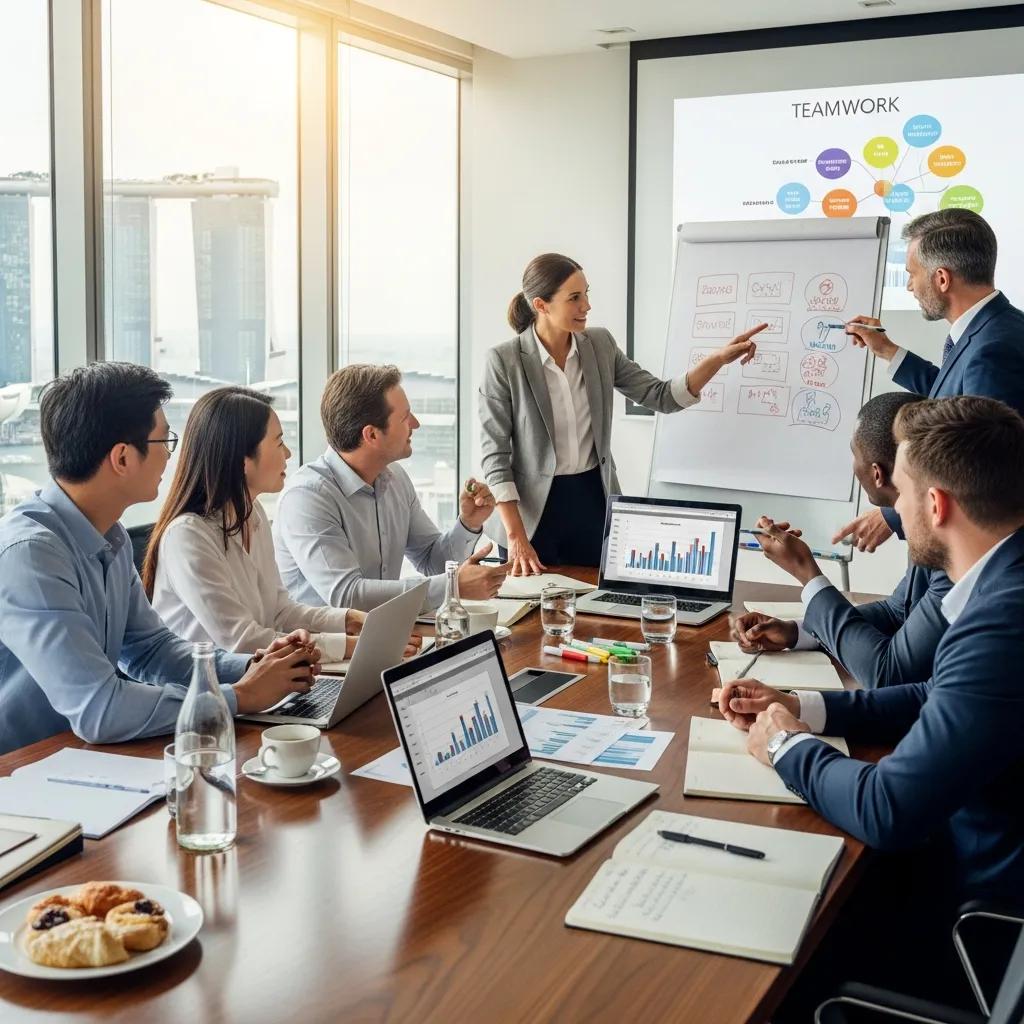
Executive Team Building: Leadership Workshops for Singapore Leaders
In the fast-paced corporate landscape of Singapore, executive team building has emerged as a vital strategy for enhancing leadership effectiveness among C-suite and senior management teams. These tailored activities not only foster collaboration but also drive measurable improvements in team dynamics and corporate culture. This article delves into the various leadership activities available, their benefits, and how organizations can effectively implement these programs to achieve their strategic goals. By understanding the nuances of executive team building, companies can address common challenges such as communication barriers and lack of trust, ultimately leading to a more resilient and innovative workforce. We will explore the types of leadership activities offered, the customization of these programs, and the latest insights into their effectiveness in the corporate environment.
Understanding the dynamics of senior management and organizational learning is crucial for successful implementation of these strategies in Singapore.
Organizational Learning for Singapore Senior Management
Four representative Singapore public organizations were chosen for this study. A total of 24 organizational learning practitioners, including senior management and human resources
Organizational learning in representative Singapore public organizations: a study of its contribution to the understanding of management in Singapore, RK Yeo, 2007
What Are Executive Team Building Programs and Their Benefits for C-Suite Leaders?
Executive team building programs are structured activities designed to enhance collaboration, communication, and leadership skills among senior management teams. These programs typically involve experiential learning methods that encourage participants to engage in problem-solving and decision-making exercises. The primary benefits of these programs include strengthening collaboration, building a resilient corporate culture, and achieving measurable improvements in team performance.
How Do Leadership Activities Enhance Senior Management Collaboration?
Leadership activities enhance collaboration by fostering trust and improving communication skills among team members. For instance, workshops that focus on conflict resolution and innovative thinking encourage executives to share their perspectives and work together towards common goals. This collaborative environment not only enhances interpersonal relationships but also leads to more effective decision-making processes.
What Measurable Outcomes Result from Corporate Team Bonding in Singapore?
Corporate team bonding activities yield several measurable outcomes, including improved communication and increased collaboration. Organizations that invest in these programs often report higher employee engagement scores and enhanced productivity levels. Additionally, teams that participate in structured bonding activities tend to demonstrate better problem-solving capabilities and a greater willingness to embrace change.
Which Types of Leadership Activities and Workshops Are Offered for Executives in Singapore?
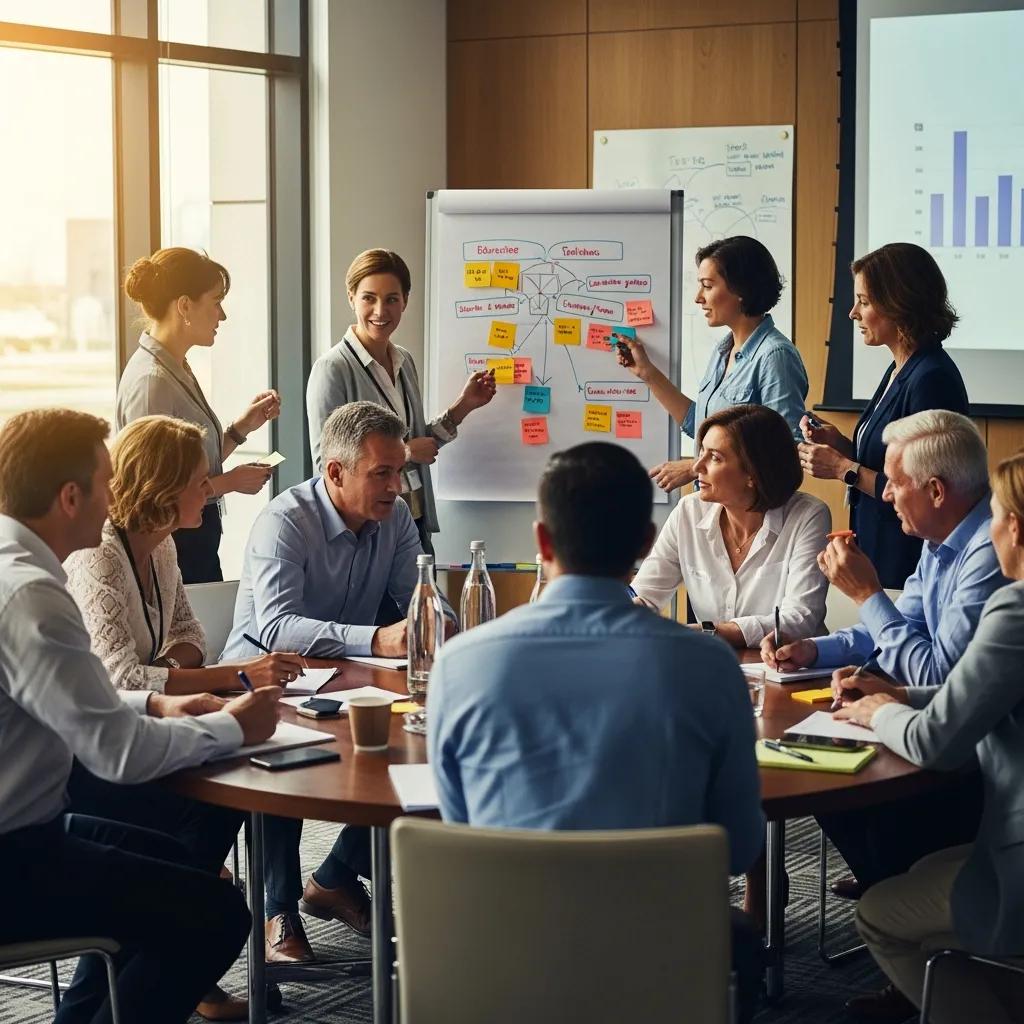
In Singapore, a variety of leadership activities and workshops are available to cater to the unique needs of C-suite and senior management teams. These include leadership skills workshops, conflict resolution workshops, and innovative thinking workshops. Each of these activities is designed to address specific challenges faced by executives in their roles.
What Are the Features of Customized Executive Leadership Retreats?
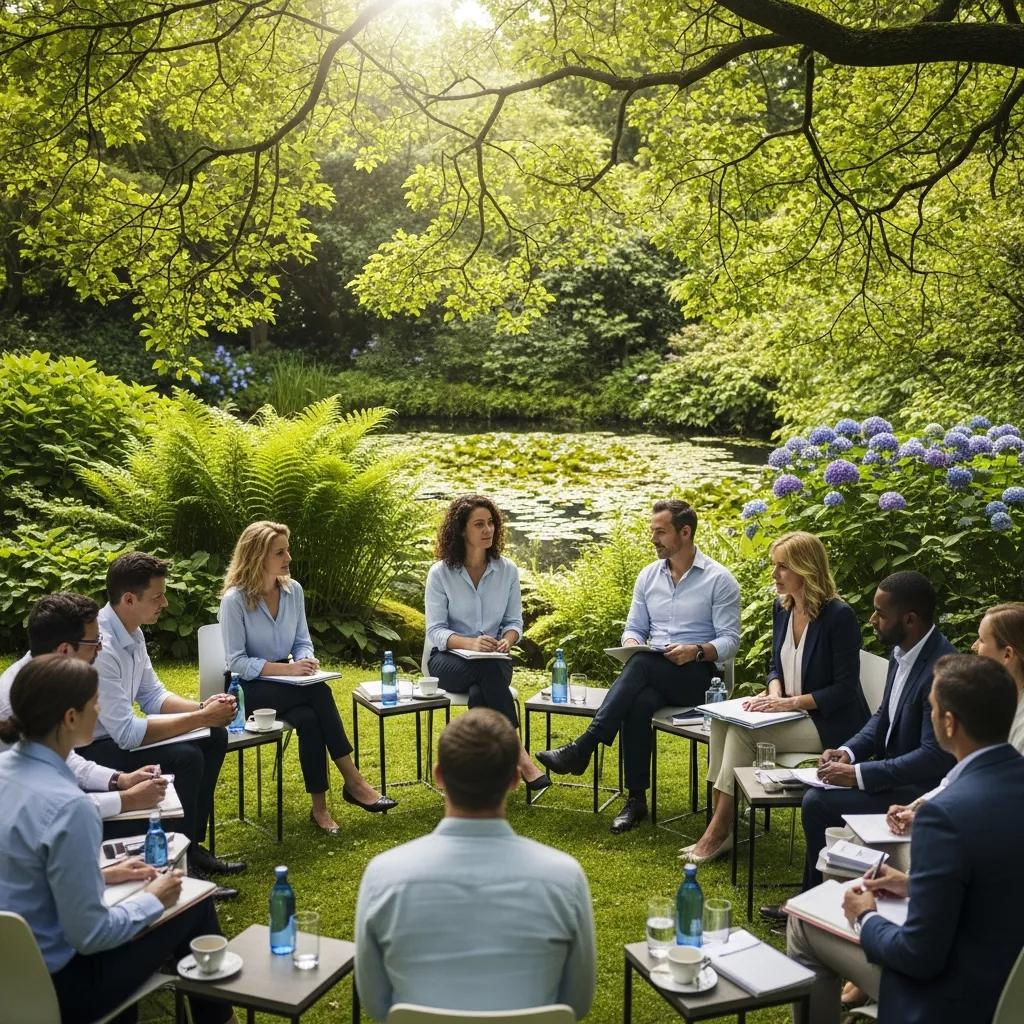
Customized executive leadership retreats offer tailored programs that align with the specific goals and challenges of an organization. These retreats often include expert facilitation, allowing participants to engage in meaningful discussions and activities that promote strategic thinking and team cohesion. The flexibility in program design ensures that the content is relevant and impactful for all participants.
How Do Experiential Learning Methods Support Senior Management Development?
Experiential learning methods play a crucial role in senior management development by providing hands-on scenarios that challenge executives to apply their skills in real-world contexts. These methods encourage critical thinking and foster the development of essential leadership skills, such as adaptability and resilience. By engaging in practical exercises, executives can better understand their strengths and areas for improvement.
This emphasis on practical application is particularly relevant in Singapore’s cultural and educational context, where experiential learning has proven effective.
Experiential Learning Methods in Singapore
In other words, the objectives of experiential learning were accomplished through the small group format to make the methodology fit better with the cultural and educational system.
Experiential learning methods in Asian cultures: A Singapore case study, M Speece, 2002
How Are Executive Team Building Programs Customized for C-Suite and Senior Management Teams?
Customization is key to the success of executive team building programs. Factors influencing program design include team size, specific goals, and the unique dynamics of the organization. By tailoring the content and activities to meet the needs of the participants, organizations can ensure that the programs are both relevant and effective.
What Factors Influence Program Design for Corporate Leadership Workshops?
Several factors influence the design of corporate leadership workshops, including the size of the team and the specific objectives of the organization. Understanding these factors allows facilitators to create programs that are engaging and aligned with the desired outcomes. For example, smaller teams may benefit from more interactive sessions, while larger groups might require structured activities to maintain focus and engagement.
How Does AdvenTOUR Singapore Ensure Quality and Adaptability in Team Building?
AdvenTOUR Singapore ensures quality and adaptability in team building by offering personalized event planning and expert facilitation. Their approach involves assessing the unique needs of each organization and designing programs that are flexible enough to adapt to changing circumstances. This commitment to quality ensures that participants receive a valuable and impactful experience.
What Are the Latest Industry Insights and Statistics on Leadership Team Building in Singapore?
Recent industry insights indicate a growing recognition of the importance of leadership team building in fostering business resilience and innovation. According to a 2025 survey, organizations that prioritize executive development are better positioned to navigate challenges and capitalize on opportunities in the market.
How Do 2025 Survey Results Reflect Corporate Priorities for Executive Development?
The 2025 survey results highlight a significant prioritization of leadership development among organizations in Singapore. Companies are increasingly investing in team building programs as a means to enhance their competitive edge and drive innovation. This trend underscores the critical role that effective leadership plays in achieving organizational success.
Why Is Leadership Team Building Critical for Business Resilience and Innovation?
Leadership team building is essential for business resilience and innovation as it strengthens relationships and encourages collaboration among team members. By fostering a culture of open communication and trust, organizations can better adapt to changes in the market and drive innovative solutions. This proactive approach to leadership development ultimately contributes to long-term success.
How Can Organizations Book and Benefit from Executive Team Building Services in Singapore?
Organizations looking to enhance their leadership capabilities can easily book executive team building services through a structured inquiry and booking process. This process typically involves defining objectives, selecting a reputable provider, and customizing the program to meet specific needs.
What Is the Inquiry and Booking Process for Customized Leadership Programs?
The inquiry and booking process for customized leadership programs generally begins with an initial consultation to discuss the organization’s goals and challenges. Following this, a tailored proposal is developed, outlining the recommended activities and expected outcomes. This structured approach ensures that the program aligns with the organization’s strategic objectives.
Which Client Testimonials Demonstrate Success in Senior Management Team Building?
Client testimonials often highlight the positive impact of executive team building programs on organizational performance. Many organizations report significant improvements in team dynamics, communication, and overall productivity following their participation in these tailored activities. These success stories serve as a testament to the effectiveness of investing in leadership development.
Different types of leadership activities provide unique benefits that cater to the diverse needs of C-suite and senior management teams.
| Activity Type | Description | Key Benefits |
|---|---|---|
| Leadership Skills Workshops | Focus on enhancing essential leadership competencies | Improved decision-making, enhanced team dynamics |
| Conflict Resolution Workshops | Teach strategies for managing and resolving conflicts | Better communication, stronger relationships |
| Innovative Thinking Workshops | Encourage creative problem-solving and innovation | Increased adaptability, enhanced collaboration |
This comparison illustrates how various leadership activities can be strategically employed to address specific challenges faced by executives, ultimately leading to a more cohesive and effective leadership team.
To ensure your team benefits from high-quality team building, consider exploring AdvenTOUR Singapore for personalized event planning and expert facilitation.

Joshua Tay is the Director of AdvenTOUR Singapore, a corporate team-building company he has successfully led since 2007. With a career spanning back to 1996, Joshua brings three decades of hands-on experience designing and facilitating high-impact team-building programs, Corporate Social Responsibility (CSR) initiatives, and overseas corporate retreats for youth and corporate groups alike.
A former Singapore Armed Forces (SAF) officer, Joshua combines strategic leadership with rigorous safety standards. He is also a certified Instructor Trainer in scuba diving, first aid, and AED. Drawing from this wealth of operational and experiential expertise, Joshua personally writes and reviews all the team-building guides and resources published on this website to ensure they are practical, safe, and effective.
About AdvenTOUR
With over 20 years of experience and a proven track record, AdvenTour specializes in curating unique team building experiences in Singapore that foster teamwork, communication, and collaboration. Whether you're planning a small team bonding session or a large corporate retreat, we tailor every event to your goals and budget.
Quick Links
Informative Blogs
Contact Us
Call or Whatsapp:
(65) 8915 4522
Email:
info@adventour.com.sg