
AdvenTOUR's Guide to End-to-End Corporate Event Planning in Singapore
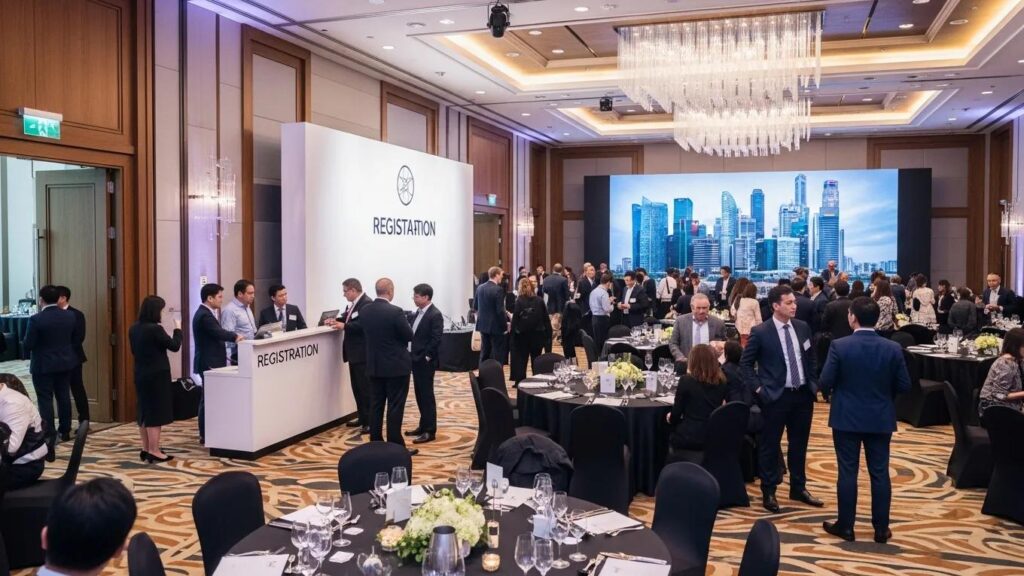
Comprehensive Corporate Event Planning in Singapore: Expert Strategies for Successful End-to-End Management
Corporate event planning in Singapore is a multifaceted process that requires meticulous attention to detail and strategic foresight. This article delves into the essential strategies and considerations for executing successful corporate events, emphasizing the importance of end-to-end management. Readers will gain insights into the various stages of event planning, from initial concept development to post-event evaluation, ensuring a comprehensive understanding of the process. Many organizations face challenges in coordinating events that meet their objectives while engaging participants effectively. By implementing expert strategies, businesses can enhance their event outcomes and foster stronger connections among attendees. This guide will cover key strategies for successful management, best practices for execution, and the benefits of professional event management services.
Expert Strategies for Successful Management
Effective corporate event management hinges on several key strategies that ensure a seamless experience for both organizers and participants.
- Define Clear Objectives: Establishing specific goals for the event helps guide all planning efforts and ensures alignment with organizational objectives.
- Structured Planning Approach: A systematic approach to planning, including timelines and checklists, facilitates organization and reduces the likelihood of oversights.
- Tailored Events: Customizing events to meet the unique needs of the audience enhances engagement and satisfaction.
These strategies form the foundation of successful corporate event management, paving the way for effective execution and positive outcomes. For organizations seeking quality team building programs, team building programs can be an essential part of enhancing event success.
Expert Strategies for End-to-End Corporate Event Planning in Singapore
When planning corporate events, several critical factors must be taken into account to ensure success.
- Budgeting: Establishing a realistic budget is essential for managing costs and ensuring that resources are allocated effectively.
- Venue Selection: Choosing the right venue can significantly impact the event’s atmosphere and attendee experience.
- Engaging Activities: Incorporating interactive and engaging activities keeps participants involved and enhances the overall experience.
By addressing these considerations, event planners can create memorable and impactful corporate events.
Best Practices for Execution
Executing a corporate event requires adherence to best practices that enhance efficiency and effectiveness.
- Create a Comprehensive Checklist: A detailed checklist ensures that all aspects of the event are covered, from logistics to attendee engagement.
- Feedback Collection: Gathering feedback from participants helps identify areas for improvement and informs future event planning.
- Post-Event Analysis: Conducting a thorough analysis after the event allows organizers to assess success against objectives and make necessary adjustments for future events.
Implementing these best practices can lead to smoother execution and improved outcomes for corporate events.
What Defines End-to-End Corporate Event Planning in Singapore?
End-to-end corporate event planning encompasses all stages of the event lifecycle, from conception to execution and evaluation. This comprehensive approach ensures that every detail is considered and managed effectively.
- Initial Consultation: Understanding the client’s needs and objectives is the first step in the planning process.
- Defining Clear Objectives: Setting specific goals helps guide the planning process and measure success.
- Budget Setting: Establishing a budget early on ensures that financial resources are allocated appropriately throughout the planning process.
This holistic approach to event planning is crucial for achieving desired outcomes and maximizing the impact of corporate events.
Which Services Are Included in Full Lifecycle Event Management?

Full lifecycle event management includes a range of services designed to support every aspect of the event planning process.
- Initial Consultation: Engaging with clients to understand their vision and requirements.
- Venue Selection: Identifying and securing the ideal venue for the event.
- Logistics Coordination: Managing all logistical elements, including catering, transportation, and technology needs.
These services are essential for ensuring a seamless and successful event experience.
How Do Corporate Team Building Programs Enhance Event Outcomes?
Corporate team building programs play a vital role in enhancing the effectiveness of corporate events.
- Improved Communication: These programs foster better communication among team members, leading to more effective collaboration during events.
- Boosted Morale: Engaging in team-building activities can elevate employee morale, creating a more positive atmosphere at events.
- Stronger Relationships: Team building helps strengthen interpersonal relationships, which can enhance networking opportunities during corporate events.
Incorporating team-building elements into corporate events can significantly improve participant engagement and satisfaction.
Why Choose Professional Event Management Companies in Singapore?
Hiring professional event management companies offers numerous advantages for organizations planning corporate events.
- Expertise and Experience: Professional planners bring a wealth of knowledge and experience, ensuring that events are executed flawlessly.
- Customized Solutions: Event management companies can tailor their services to meet the specific needs of each client, enhancing the overall experience.
- Streamlined Planning: Professionals can manage all aspects of the event, allowing clients to focus on their core business activities.
These benefits highlight the value of partnering with experienced event management professionals.
What Benefits Do Experienced Corporate Event Organizers Provide?
Experienced corporate event organizers offer several key advantages that contribute to successful event outcomes.
- Seamless Execution: Their expertise ensures that all elements of the event are coordinated effectively, minimizing disruptions.
- Measurable Outcomes: Experienced organizers implement metrics to assess the success of the event, providing valuable insights for future planning.
- Risk Management: They are adept at identifying potential risks and developing contingency plans to mitigate them.
These benefits underscore the importance of engaging experienced professionals for corporate event planning.
How Does Tailored Event Design Improve Corporate Engagement?
Tailored event design is crucial for enhancing corporate engagement and ensuring that events resonate with attendees.
- Customization for Audience: Designing events with the audience in mind increases relevance and engagement.
- Alignment with Corporate Values: Events that reflect the organization’s values foster a stronger connection with participants.
- Enhanced Relevance: Tailored content and activities ensure that the event meets the specific interests and needs of attendees.
By focusing on tailored design, organizations can create more impactful and engaging corporate events.
How to Plan Effective Corporate Team Building Activities in Singapore?
Planning effective corporate team building activities requires careful consideration and strategic planning.
- Define Clear Objectives: Establishing specific goals for the activities helps ensure alignment with overall event objectives.
- Choose the Right Team Building Company: Selecting a reputable provider with experience in corporate events is essential for success.
- Engage Participants: Designing activities that encourage participation and collaboration enhances the overall experience.
These steps are critical for planning successful team-building activities that contribute to event success.
What Are Popular and Impactful Team Building Programs?
Several popular team building programs have proven effective in enhancing corporate events.
- Adventure-Based Challenges: These programs encourage teamwork and problem-solving in an engaging outdoor setting.
- Amazing Race-Style Programs: Participants work in teams to complete challenges, fostering collaboration and communication.
- CSR Team Building: Activities focused on corporate social responsibility not only build teams but also contribute positively to the community.
Incorporating these programs can significantly enhance the impact of corporate events.
How Do Team Building Activities Foster Collaboration and Productivity?
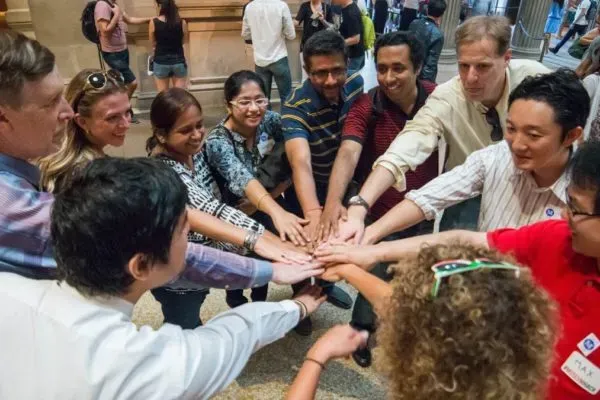
Team building activities are instrumental in fostering collaboration and productivity within organizations.
- Improved Communication: Engaging in team-building exercises enhances communication skills among team members.
- Boosted Morale: Positive experiences during team-building activities can lead to increased morale and job satisfaction.
- Increased Productivity: Stronger relationships and improved communication contribute to higher productivity levels in the workplace.
These benefits highlight the importance of integrating team-building activities into corporate events.
What Are Key Considerations for Event Budgeting and Cost Management?
Effective budgeting and cost management are critical components of successful corporate event planning.
- Setting a Budget: Establishing a clear budget helps guide all financial decisions throughout the planning process.
- Tracking Expenses: Regularly monitoring expenses ensures that the event stays within budget and identifies areas for potential savings.
- Adjusting Budget as Needed: Flexibility in budgeting allows for adjustments based on changing circumstances or unexpected costs.
By focusing on these considerations, organizations can manage their event budgets effectively.
How to Optimize Corporate Event Budgets Without Compromising Quality?
Optimizing corporate event budgets while maintaining quality is essential for successful planning.
- Set a Clear Budget: Defining a budget upfront helps prioritize spending and allocate resources effectively.
- Track Expenses: Keeping a close eye on expenses allows for timely adjustments and prevents overspending.
- Choose the Right Venue: Selecting a venue that meets both budgetary and logistical needs can significantly impact overall costs.
These strategies can help organizations achieve high-quality events without exceeding their budgets.
What Are Common Cost Factors in Singapore Corporate Event Planning?
Understanding common cost factors is crucial for effective event budgeting.
- Venue Costs: Rental fees for venues can vary significantly based on location and amenities.
- Catering: Food and beverage costs are often a major portion of the event budget.
- Audio-Visual Equipment: Investing in quality AV equipment is essential for ensuring a professional presentation.
By being aware of these cost factors, organizations can better plan their event budgets.
How Is Post-Event Evaluation Conducted to Measure Success?
Post-event evaluation is a critical step in assessing the success of corporate events.
- Feedback Collection Methods: Surveys and interviews can provide valuable insights into participant experiences and satisfaction.
- Success Metrics: Establishing clear metrics for success helps quantify the event’s impact and effectiveness.
- Post-Event Analysis: Analyzing feedback and metrics allows organizers to identify strengths and areas for improvement.
This evaluation process is essential for informing future event planning strategies.
Which Metrics Assess Team Building and Event Effectiveness?
Measuring the effectiveness of team building and corporate events involves several key metrics.
- Attendance Rates: Tracking attendance provides insight into participant interest and engagement.
- Engagement Levels: Assessing how actively participants engage during the event can indicate its success.
- Participant Satisfaction: Gathering feedback on participant satisfaction helps evaluate the overall experience.
These metrics are vital for understanding the impact of corporate events and team-building activities.
How Does Feedback Inform Future Corporate Event Strategies?
Feedback plays a crucial role in shaping future corporate event strategies.
- Utilizing Outcomes for Future Events: Analyzing feedback helps identify successful elements to replicate in future events.
- Real-Time Feedback: Gathering feedback during the event allows for immediate adjustments to enhance participant experiences.
- Structured Debrief Sessions: Conducting debrief sessions with the planning team helps capture lessons learned and improve future planning processes.
Incorporating feedback into planning strategies can lead to continuous improvement in corporate event execution.
What Are Emerging Trends in Hybrid and Virtual Corporate Events in Singapore?
The rise of hybrid and virtual corporate events has introduced new trends in event planning.
- Interactive Digital Platforms: Utilizing technology to create engaging virtual experiences is becoming increasingly important.
- Augmented Reality Tools: Incorporating AR can enhance participant engagement and create memorable experiences.
- Customized Activities: Tailoring activities to suit both in-person and virtual attendees ensures inclusivity and engagement.
These trends reflect the evolving landscape of corporate events and the need for innovative approaches.
How Do Hybrid Events Combine In-Person and Virtual Experiences?
Hybrid events offer a unique opportunity to blend in-person and virtual experiences.
- Leveraging Technology: Utilizing technology to connect in-person and virtual attendees enhances engagement and interaction.
- Seamless Interactions: Ensuring smooth transitions between in-person and virtual components is crucial for maintaining participant interest.
- Broader Engagement: Hybrid formats allow organizations to reach a wider audience, increasing overall participation.
This approach to event planning is essential for adapting to the changing needs of corporate events.
What Sustainability Practices Are Integrated into Modern Corporate Events?
Sustainability is becoming a key consideration in corporate event planning.
- Eco-Friendly Materials: Using sustainable materials for event materials and decorations reduces environmental impact.
- Sustainable Catering Options: Offering locally sourced and organic food options supports sustainability efforts.
- Carbon Offset Initiatives: Implementing carbon offset programs can help mitigate the environmental impact of corporate events.
By integrating sustainability practices, organizations can demonstrate their commitment to environmental responsibility while enhancing their corporate image.

Joshua Tay is the Director of AdvenTOUR Singapore, a corporate team-building company he has successfully led since 2007. With a career spanning back to 1996, Joshua brings three decades of hands-on experience designing and facilitating high-impact team-building programs, Corporate Social Responsibility (CSR) initiatives, and overseas corporate retreats for youth and corporate groups alike.
A former Singapore Armed Forces (SAF) officer, Joshua combines strategic leadership with rigorous safety standards. He is also a certified Instructor Trainer in scuba diving, first aid, and AED. Drawing from this wealth of operational and experiential expertise, Joshua personally writes and reviews all the team-building guides and resources published on this website to ensure they are practical, safe, and effective.
About AdvenTOUR
With over 20 years of experience and a proven track record, AdvenTour specializes in curating unique team building experiences in Singapore that foster teamwork, communication, and collaboration. Whether you're planning a small team bonding session or a large corporate retreat, we tailor every event to your goals and budget.
Quick Links
Informative Blogs
Contact Us
Call or Whatsapp:
(65) 8915 4522
Email:
info@adventour.com.sg