
Team Building vs Traditional Training: Higher ROI for Singapore Firms
Team Building vs. Traditional Training: Measuring ROI and Engagement
By Josh Tay, Adventour Singapore
In the competitive landscape of Singapore’s corporate environment, companies are increasingly seeking effective methods to enhance employee performance and engagement. This article delves into the comparison between team building activities and traditional training programs, focusing on their return on investment (ROI) for businesses. Readers will learn how these two approaches differ in terms of employee engagement, cost savings, and overall effectiveness. The challenge many organizations face is determining which method yields better results in fostering a motivated workforce. This guide will explore key differences, benefits, and case studies, providing insights into how companies can maximize their investment in employee development.
Key Takeaways
- Team building activities significantly enhance employee engagement by fostering collaboration and morale, leading to a more motivated workforce.
- Cost savings from team building arise through reduced turnover and increased productivity, often outweighing the initial investment compared to traditional training.
- Traditional training remains important for skill development but may have lower engagement and retention rates.
- Measuring ROI requires evaluating multiple metrics such as engagement scores, productivity, and turnover rates to understand the true impact of both approaches.
- AdvenTOUR offers expert guidance and tailored programs to help companies maximize the benefits of team building initiatives.
Employee Engagement
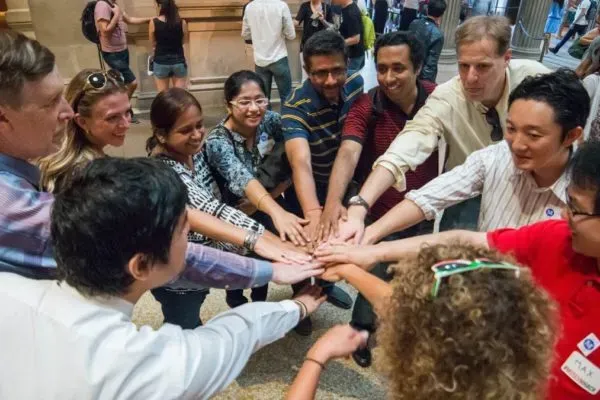
Employee engagement is a critical factor in organizational success, influencing productivity and retention rates. Team building activities foster a sense of belonging and collaboration among employees, which significantly enhances morale and job satisfaction. Unlike traditional training, which often focuses on individual skill development, team building emphasizes collective dynamics and interpersonal relationships. This approach not only improves team cohesion but also leads to higher levels of engagement, as employees feel more connected to their colleagues and the organization as a whole. Understanding the impact of these activities on employee engagement is essential for companies aiming to cultivate a positive workplace culture. Corporate team building activities in Singapore have been shown to increase employee satisfaction and foster stronger interpersonal connections. According to a 2024 Singapore HR survey, companies that implemented regular team building activities reported a 20% improvement in employee engagement scores within six months.
Cost Savings
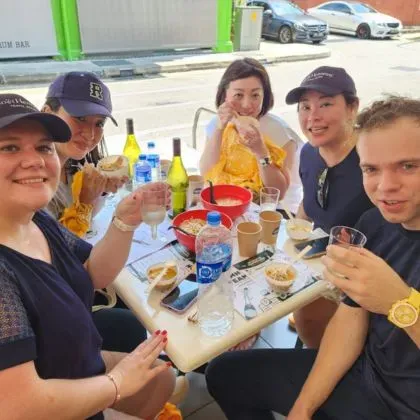
Analyzing the cost implications of team building versus traditional training reveals significant differences. The cost of team building activities in Singapore typically ranges from $30 to $180 per participant, depending on the complexity and duration of the event. While traditional training programs may appear less expensive upfront, the long-term benefits of team building often outweigh initial investments. Improved communication and morale resulting from these activities can lead to substantial cost savings through reduced turnover and increased productivity. According to a 2025 SkillsFuture Singapore report, corporate training investments in Singapore are projected to increase by 12% annually through 2026, with a growing emphasis on experiential learning methods such as team building. Companies that invest in team building not only enhance employee satisfaction but also realize financial benefits over time. For example, a 2024 industry study found that organizations incorporating team building activities experienced a 15% reduction in employee turnover, translating to significant recruitment and training cost savings. AdvenTOUR’s 18+ years in business and expertise in team building ROI measurement provide companies with credible strategies to maximize these savings.
What Are the Key Differences Between Team Building and Traditional Corporate Training?
Understanding the key differences between team building and traditional corporate training is crucial for organizations. Key differences include:
- Focus: Team building enhances collaboration and morale; traditional training targets skill development and knowledge transfer.
- Methodology: Team building uses experiential learning and interactive activities; traditional training relies on lectures and presentations.
- Engagement: Team building fosters a dynamic, participatory environment; traditional training may have lower engagement levels.
These differences impact engagement levels, with team building generally fostering a more dynamic and participatory environment. Research from the Asia-Pacific HR Institute in 2024 shows that experiential learning approaches like team building yield a 25% higher ROI compared to traditional classroom training, primarily due to increased employee engagement and retention. Additionally, a 2025 global corporate training report highlighted that companies using team building as a core component of their development programs saw a 22% increase in productivity compared to those relying solely on traditional training methods.
Defining Team Building Activities and Their Benefits in Singapore
Team building activities encompass a wide range of exercises designed to improve teamwork and communication among employees. In Singapore, these activities can include outdoor challenges, workshops, and collaborative projects that encourage problem-solving and creativity. The benefits of such activities are manifold, including increased trust among team members, enhanced communication skills, and improved overall team performance. By investing in team building, companies can create a more cohesive workforce that is better equipped to tackle challenges collaboratively. End-to-end corporate event planning services in Singapore often incorporate these activities to maximize team effectiveness and engagement. A 2024 industry benchmark reported that the average cost per employee for corporate team building events in Singapore is approximately SGD 120, which is considered a cost-effective investment given the associated gains in engagement and productivity.
Understanding Traditional Training Effectiveness and Limitations
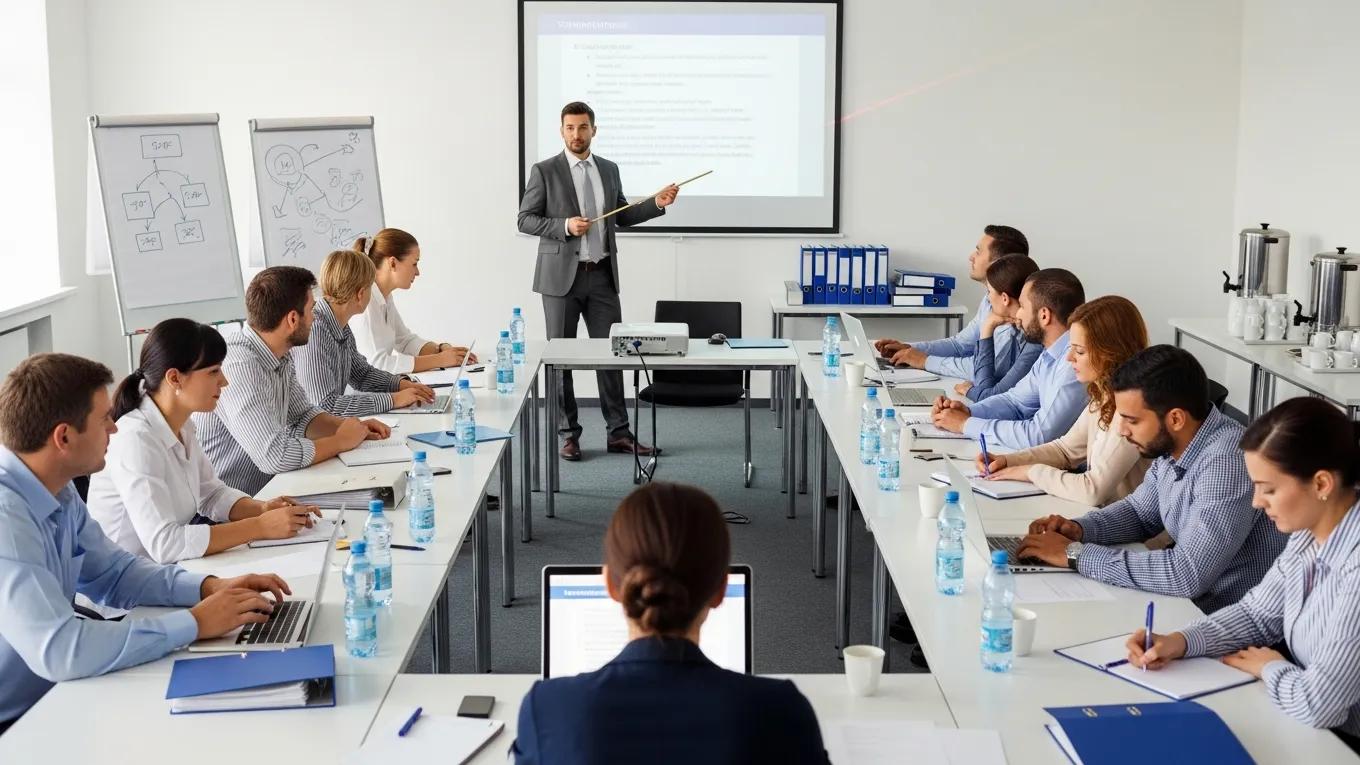
Traditional training methods have been a staple in corporate development for decades, focusing primarily on knowledge transfer and skill enhancement. However, these methods often face limitations, such as low engagement levels and limited real-world application. Employees may find traditional training sessions monotonous, leading to decreased retention of information and skills. Understanding these limitations is essential for organizations looking to optimize their training investments and explore alternative approaches that may yield better results.
When assessing the value of training initiatives, it’s crucial for companies to adopt a comprehensive plan that evaluates both the success and the return on investment, particularly when resources are constrained and needs are extensive.
Measuring Success & ROI in Corporate Training
ABSTRACT: When measuring outcomes in corporate training, the authors recommend that it is essential to introduce a comprehensive plan, especially when resources are limited and the company needs are vast. The authors hone in on five critical components for shaping a measurement plan to determine the success and ROI of training. The plan’s components should provide a roadmap to address complex corporate training environments in which large numbers of courses are delivered to thousands of learners. Recommendations offered apply equally in smaller, less complex organizations. Following a brief historical perspective covering the development of evaluation methods, the authors examine each of their five critical components–strategy, measurement models, resources, measures and cultural readiness. They claim that while their approach applies to all learning methods, it is especially useful in technology-mediated programs, such as self-paced, web-based, online-facilitated, and simulation courses. (Cont
Measuring success and ROI in corporate training., 2010
How Is ROI Measured for Team Building and Traditional Training Programs?
How is ROI measured for team building and traditional training programs?
Measuring ROI for team building and traditional training programs involves evaluating various metrics, including employee engagement scores, productivity levels, and turnover rates. For team building, improvements in team dynamics and collaboration can be quantified through surveys and performance metrics. In contrast, traditional training ROI is often assessed through knowledge retention tests and performance evaluations. By analyzing these metrics, companies can gain insights into the effectiveness of their investment in employee development. A 2024 survey by the Singapore Human Capital Leadership Institute found that companies implementing regular team building activities saw a 15% increase in employee retention within the first year, underscoring the financial impact of engagement-focused programs. Furthermore, organizations reported an average 18% boost in productivity metrics following sustained team building efforts over 12 months.
What Are the Benefits of Employee Engagement Programs Through Team Building?
What are the benefits of employee engagement programs through team building?
Employee engagement programs that incorporate team building activities offer several key benefits:
- Increased Productivity: Engaged employees are more likely to be productive and committed to their work.
- Boosted Morale: Team building fosters a positive work environment, enhancing overall employee morale.
- Higher Retention Rates: Companies that prioritize engagement through team building often experience lower turnover rates.
These benefits highlight the importance of integrating team building into corporate strategies to enhance employee satisfaction and performance.
Impact on Team Collaboration and Corporate Culture Development
The impact of team building on collaboration and corporate culture development cannot be overstated. Effective team building activities lead to improved communication and collaboration among team members, fostering a culture of trust and support. This positive corporate culture not only enhances employee satisfaction but also contributes to better overall performance. Companies that prioritize team building are more likely to cultivate an environment where employees feel valued and motivated to contribute to organizational goals.
Case Studies of Singapore Companies Demonstrating Measurable Results
Several Singaporean companies have successfully implemented team building initiatives, demonstrating measurable results in employee engagement and productivity. For instance, a local tech firm reported a 30% increase in team collaboration scores after participating in a series of team building workshops. Another company in the finance sector noted a significant reduction in turnover rates following the introduction of regular team building activities. These case studies illustrate the tangible benefits that can be achieved through strategic investment in team building.
How Does AdvenTOUR Facilitate Effective Corporate Team Building Events?
AdvenTOUR Singapore specializes in corporate team building and event planning services tailored for Singapore companies. With over 18 years in business and 1,500+ successful corporate events delivered, they offer customized programs designed to meet the specific needs of businesses, ensuring that each event aligns with organizational goals. By providing diverse activities that promote engagement, AdvenTOUR helps companies create memorable experiences that foster teamwork and collaboration. Their focus on measurable outcomes and expertise in team building ROI measurement allows organizations to track the effectiveness of their team building initiatives.
Customized Program Design Tailored to Singapore Business Needs
AdvenTOUR’s approach to team building includes tailored event planning processes that consider the unique needs of Singaporean businesses. By incorporating experiential learning approaches, they ensure that participants gain practical skills while enjoying the activities. Feedback mechanisms are also in place to facilitate continuous improvement, allowing companies to refine their team building strategies over time.
Seamless Event Management and Measurable Team Development Outcomes
Effective event management is crucial for the success of team building activities. AdvenTOUR employs comprehensive strategies to ensure that each event runs smoothly, from logistics to participant engagement. They also focus on metrics for measuring team development, providing companies with insights into the effectiveness of their team building initiatives. Client success stories further demonstrate the positive impact of well-executed team building events on organizational performance.
What Are Cost-Effective Strategies for Corporate Training and Employee Engagement in Singapore?
What are cost-effective strategies for corporate training and employee engagement in Singapore?
Organizations seeking cost-effective strategies for corporate training and employee engagement should consider a balanced approach that integrates both traditional training and team building activities. Regular engagement through team building can complement traditional training methods, enhancing overall effectiveness. Additionally, measuring the impact of these activities on employee engagement can help organizations optimize their training investments and achieve better results.
Balancing Traditional Training with Experiential Team Building Activities
To maximize the benefits of both traditional training and team building, companies should identify objectives for each method and choose complementary activities. Conducting structured debriefs after team building events can help reinforce learning and ensure that employees apply new skills in their daily work. This balanced approach allows organizations to leverage the strengths of both methods, ultimately enhancing employee engagement and performance.
Maximizing ROI Through Integrated Employee Engagement Approaches
Maximizing ROI through integrated employee engagement approaches involves implementing regular team-building activities alongside traditional training programs. By measuring improvements in engagement scores and aligning activities with corporate values, companies can create a cohesive strategy that enhances both employee satisfaction and productivity. This integrated approach not only fosters a positive workplace culture but also drives long-term business success.
About the Author
Josh Tay is a seasoned corporate event strategist and the founder of Adventour, Singapore’s trusted corporate team building and event planning company. With over 18 years of experience and 1,500+ successful corporate events under his leadership, Josh specializes in designing high-impact team building experiences that drive measurable ROI. His expertise spans end-to-end event planning, leadership development programs, and corporate retreat facilitation across Singapore and Southeast Asia.