
How to Plan C-Suite Executive Retreats in Singapore: Ultimate Guide
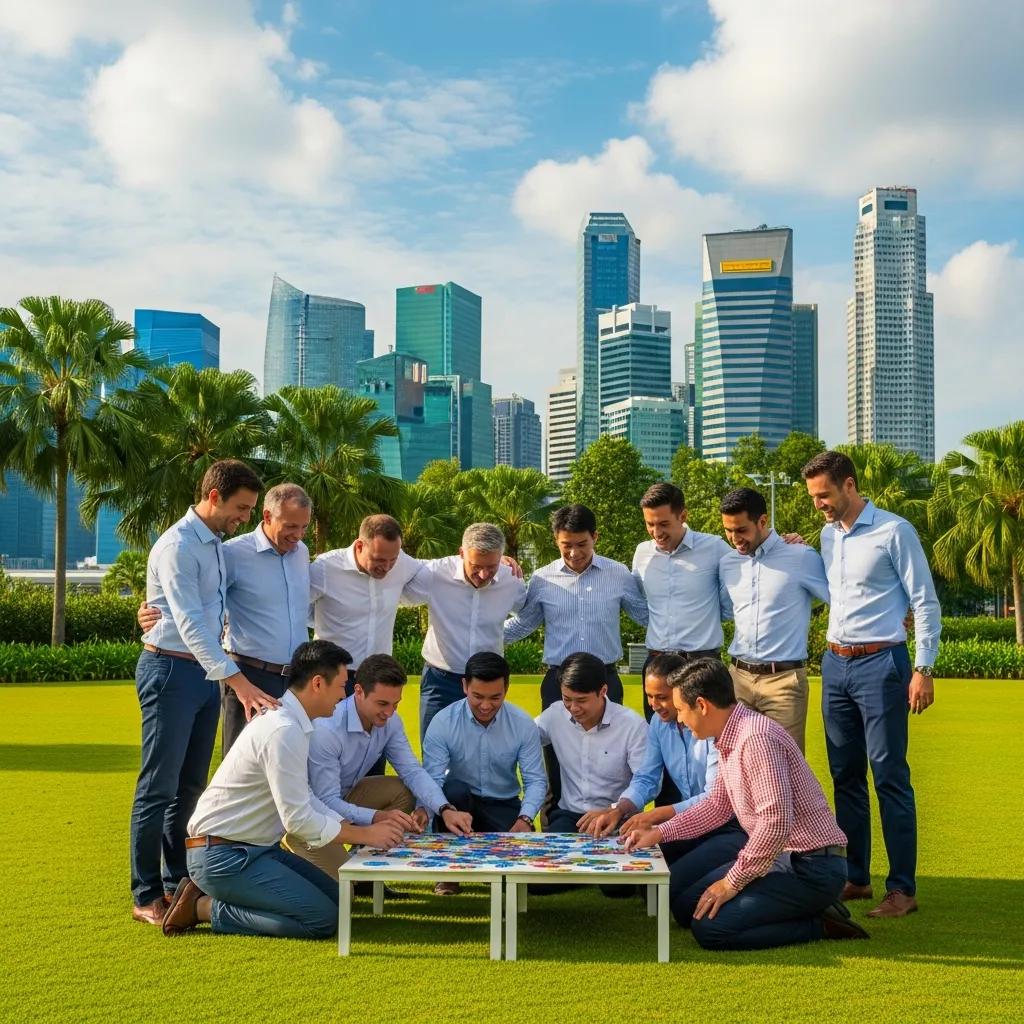
How to Plan an Executive Retreat in Singapore: The Complete C-Suite Offsite Strategy Guide
Planning an executive retreat in Singapore requires a strategic approach that balances team building, leadership development, and effective decision-making. This comprehensive guide will equip you with the knowledge to create a successful C-suite offsite experience. You will learn about the key benefits of executive retreats, how to select the ideal venues, design impactful team-building activities, and best practices for facilitating strategic planning sessions. Many organizations struggle with aligning their leadership teams and fostering collaboration, but a well-planned retreat can address these challenges effectively. By the end of this article, you will have a clear roadmap for executing a successful executive retreat that maximizes productivity and enhances team cohesion.
What Are the Key Benefits of Executive Retreats for C-Suite Teams?
Executive retreats offer numerous advantages for C-suite teams, enhancing both individual and collective performance. These retreats are designed to foster collaboration, improve communication, and drive strategic alignment among leadership members. The benefits of executive retreats include:
- Enhanced Team Dynamics: Retreats provide a unique environment for leaders to connect on a personal level, fostering trust and collaboration.
- Increased Productivity: By stepping away from daily operations, executives can focus on high-level strategic discussions without distractions.
- Creative Problem Solving: Retreats encourage innovative thinking and brainstorming, allowing teams to tackle complex challenges effectively.
AdvenTOUR Singapore specializes in corporate event planning, focusing on team building and executive retreats. Their expertise in designing and facilitating quality team-building programs ensures that your retreat will be both productive and engaging.
How Do Executive Retreats Enhance Leadership and Team Cohesion?
Executive retreats enhance leadership and team cohesion by creating an environment conducive to open communication and collaboration. Activities designed for these retreats often include experiential learning opportunities that allow leaders to engage in team-building exercises. Tailored programs can address specific team dynamics, improving communication and fostering a sense of unity among participants. For instance, workshops that focus on conflict resolution and collaborative problem-solving can significantly enhance team cohesion.
What Measurable Outcomes Should Corporations Expect?
Corporations can expect several measurable outcomes from executive retreats. Improved productivity is often the most significant benefit, as leaders return to their roles with renewed focus and clarity. Additionally, reduced conflict and enhanced team communication are common results, leading to a more harmonious workplace. Some reports from corporate training sources indicate organizations that invest in executive retreats experience notable increases in team effectiveness and morale, though specific statistics like a may vary depending on the company and context.
How to Select the Ideal Corporate Retreat Venues in Singapore?
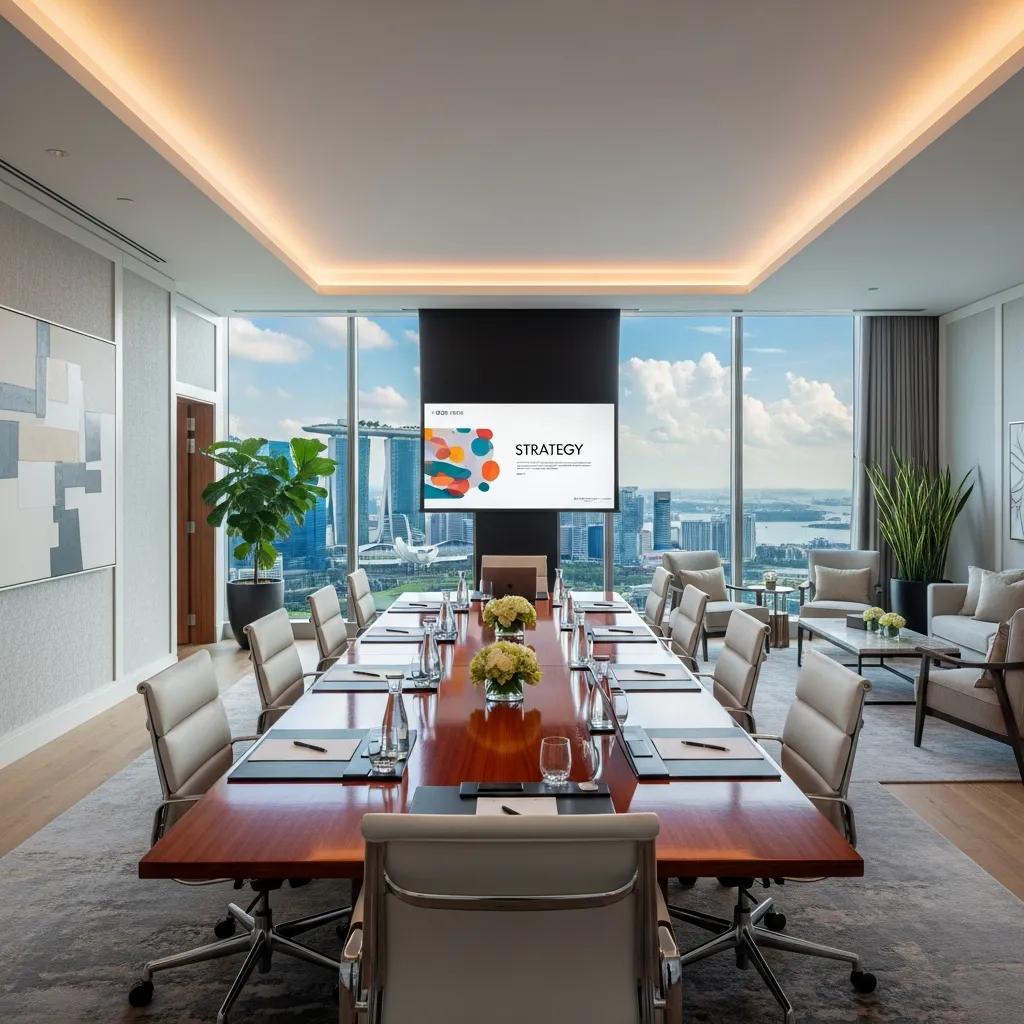
Choosing the right venue for your corporate retreat is crucial to its success. The ideal venue should align with your retreat objectives and provide the necessary facilities to support your activities. Key considerations when selecting a venue include:
- Define Clear Objectives: Understand the goals of your retreat to ensure the venue supports these aims.
- Assess Venue Type: Consider whether you need a formal conference setting or a more relaxed environment conducive to team-building activities.
- Consider Accessibility: Ensure the venue is easily accessible for all participants, taking into account transportation options and accommodations.
AdvenTOUR Singapore offers venue selection services that can help you identify the best locations for your executive retreat, ensuring that all logistical aspects are covered.
What Criteria Define the Best Venues for Executive Offsites?
When selecting venues for executive offsites, several criteria should be considered:
- Accessibility: The venue should be conveniently located, with easy access to transportation and accommodations.
- Atmosphere: A conducive environment that promotes relaxation and creativity is essential for effective discussions.
- Available Amenities: Ensure the venue has the necessary facilities, such as meeting rooms, technology support, and recreational options.
Which Singapore Venues Offer Optimal Facilities for Leadership Retreats?
Singapore boasts a variety of venues that cater to corporate retreats. Some of the top options include:
- Marina Bay Sands: Known for its luxurious facilities and stunning views, this venue offers state-of-the-art meeting spaces and leisure activities.
- Raffles Hotel: A historic venue that combines elegance with modern amenities, perfect for high-level discussions.
- Sentosa Island Resorts: Offers a unique blend of relaxation and team-building opportunities, with various outdoor activities available.
These venues provide the ideal backdrop for leadership retreats, ensuring a productive and enjoyable experience.
Strategic Planning: A Guide to Executive Retreats in Singapore
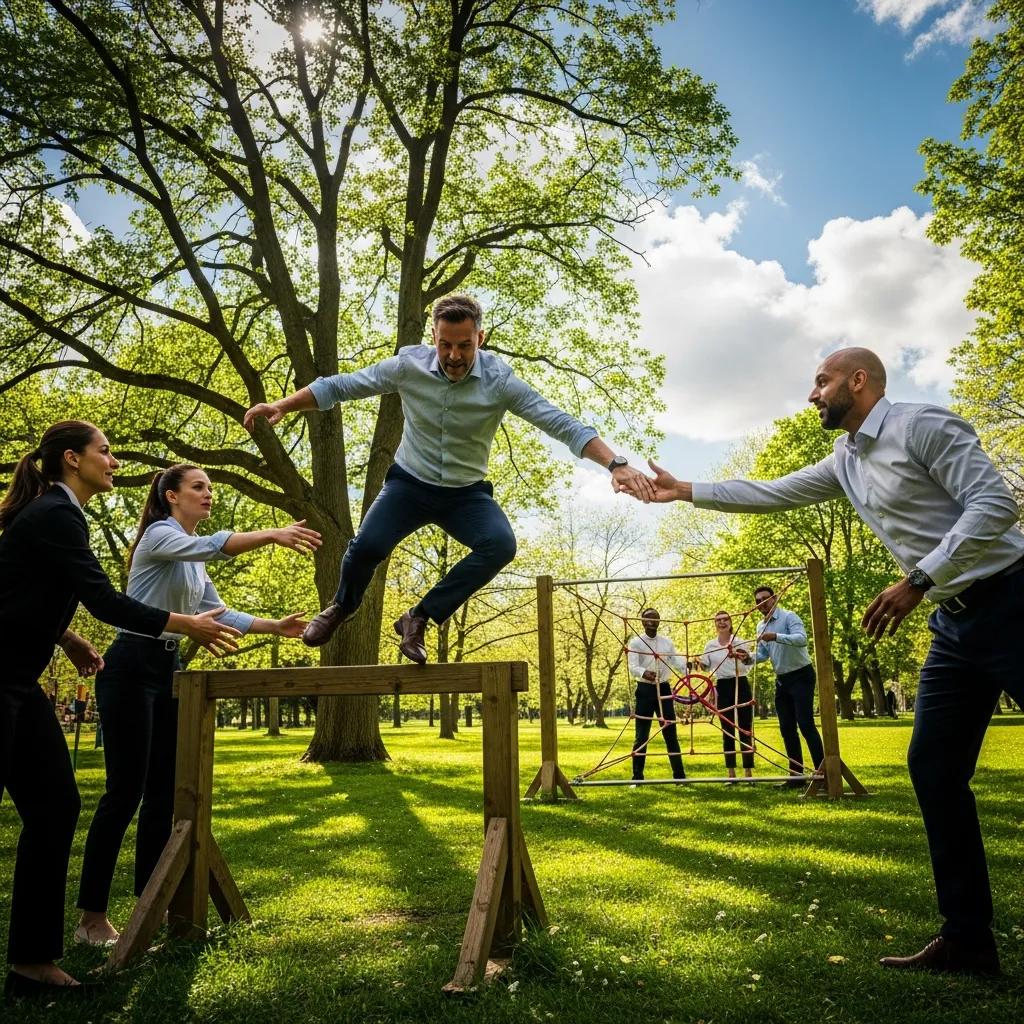
Designing impactful team-building activities is essential for maximizing the benefits of your executive retreat. Effective activities should focus on collaboration, communication, and problem-solving. Key strategies for creating these activities include:
- Customized Programs: Tailor activities to address the specific needs and dynamics of your leadership team.
- Experiential Learning: Incorporate hands-on experiences that encourage participants to engage actively and learn from one another.
- Structured Debriefs: Follow up activities with structured discussions to reinforce learning and application of insights gained.
What Types of Experiential Team Building Programs Drive Engagement?
Experiential team-building programs can take various forms, including:
- Outdoor Adventures: Activities such as obstacle courses or scavenger hunts promote teamwork and strategic thinking.
- Indoor Workshops: Interactive sessions that focus on skill development and collaboration can enhance team dynamics.
- CSR Initiatives: Engaging in community service projects fosters a sense of purpose and unity among team members.
How Does Customization Enhance Team Building Outcomes?
Customization plays a crucial role in enhancing team-building outcomes. Tailored experiences ensure that activities resonate with participants, leading to higher engagement levels. For example, a leadership team facing specific challenges can benefit from customized workshops that address those issues directly. This approach maximizes engagement and strengthens behavior transfer, ensuring that lessons learned during the retreat are applied in the workplace.
What Are Best Practices for Facilitating Strategic Planning Offsite Sessions?
Facilitating effective strategic planning sessions during retreats requires careful planning and execution. Best practices include:
- Define Clear Objectives: Establish what you aim to achieve during the session to guide discussions and activities.
- Assemble a Planning Team: Involve key stakeholders in the planning process to ensure diverse perspectives are considered.
- Create a Detailed Agenda: Outline the session’s structure, including time allocations for discussions, activities, and breaks.
How to Structure Corporate Strategic Planning for Maximum Impact?
To structure corporate strategic planning for maximum impact, consider the following steps:
- Align Objectives with KPIs: Ensure that the goals of the planning session are measurable and aligned with the organization’s key performance indicators.
- Incorporate Feedback: Gather input from participants before and during the session to ensure all voices are heard.
- Select the Right Venue: Choose a location that supports the session’s objectives, providing a conducive environment for focused discussions.
What Facilitation Techniques Support C-Suite Decision-Making?
Effective facilitation techniques can significantly enhance C-suite decision-making during retreats. Techniques to consider include:
- Active Listening: Encourage participants to listen to one another, fostering a culture of respect and collaboration.
- Psychological Safety: Create an environment where team members feel safe to express their ideas and concerns without fear of judgment.
- Structured Debriefs: Implement structured debriefs after discussions to summarize key points and ensure clarity on decisions made.
How to Measure Success and ROI of Executive Retreats in Singapore?
Measuring the success and return on investment (ROI) of executive retreats is essential for justifying the investment and improving future events. Key methods for evaluation include:
- Key Performance Indicators: Establish specific KPIs to assess the effectiveness of the retreat, such as engagement scores and communication metrics.
- Qualitative Feedback: Collect participant feedback through surveys and interviews to gain insights into their experiences.
- Post-Event Analysis: Conduct a thorough analysis of the retreat’s outcomes compared to the objectives set at the beginning.
Which Key Performance Indicators Reflect Retreat Effectiveness?
Several key performance indicators can reflect the effectiveness of executive retreats:
- Engagement Scores: Measure participant engagement during sessions to assess the retreat’s impact on team dynamics.
- Communication Metrics: Evaluate improvements in communication among team members post-retreat.
- Retention Rates: Analyze employee retention rates to determine if retreats contribute to a more cohesive work environment.
How to Collect and Utilize Participant Feedback for Continuous Improvement?
Collecting and utilizing participant feedback is crucial for continuous improvement. Implement the following strategies:
- Structured Debrief Sessions: Conduct debrief sessions immediately after the retreat to gather insights while experiences are fresh.
- Regular Feedback Cycles: Establish a routine for collecting feedback on team dynamics and retreat effectiveness.
- Utilizing Testimonials: Use positive feedback and testimonials to promote future retreats and highlight their value to the organization.
To further enhance your executive retreats, consider incorporating quality team-building programs. These programs can significantly improve team dynamics and overall retreat effectiveness.

Joshua Tay is the Director of AdvenTOUR Singapore, a corporate team-building company he has successfully led since 2007. With a career spanning back to 1996, Joshua brings three decades of hands-on experience designing and facilitating high-impact team-building programs, Corporate Social Responsibility (CSR) initiatives, and overseas corporate retreats for youth and corporate groups alike.
A former Singapore Armed Forces (SAF) officer, Joshua combines strategic leadership with rigorous safety standards. He is also a certified Instructor Trainer in scuba diving, first aid, and AED. Drawing from this wealth of operational and experiential expertise, Joshua personally writes and reviews all the team-building guides and resources published on this website to ensure they are practical, safe, and effective.
About AdvenTOUR
With over 20 years of experience and a proven track record, AdvenTour specializes in curating unique team building experiences in Singapore that foster teamwork, communication, and collaboration. Whether you're planning a small team bonding session or a large corporate retreat, we tailor every event to your goals and budget.
Quick Links
Informative Blogs
Contact Us
Call or Whatsapp:
(65) 8915 4522
Email:
info@adventour.com.sg